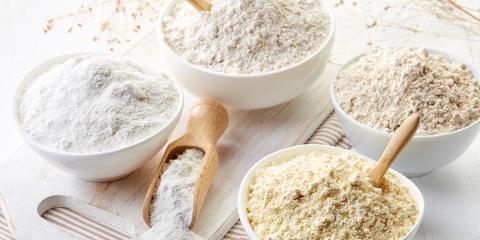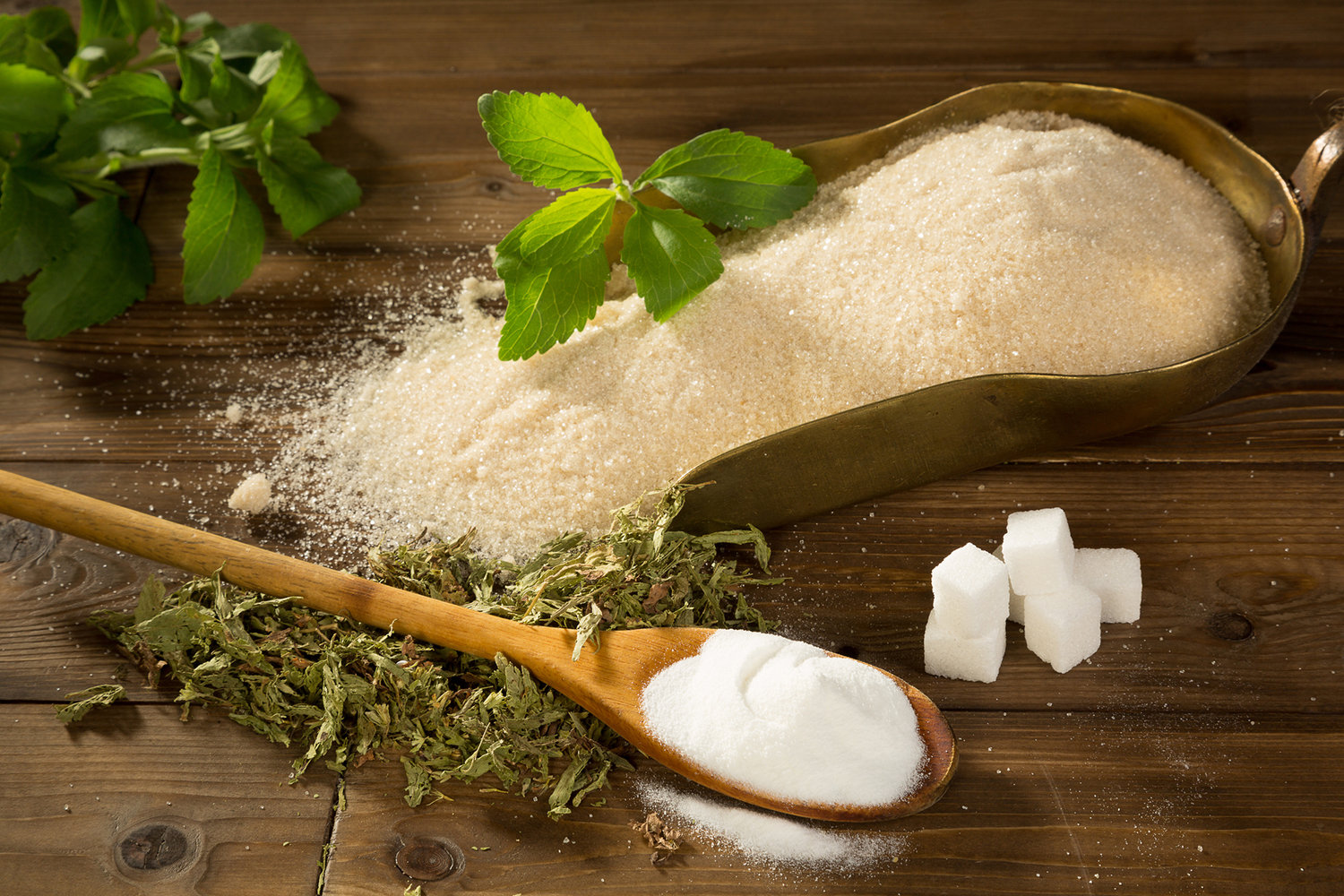
A spoonful of sugar may seem relatively harmless. It does, after all, make the medicine go down. But it’s the pounds of it that we ingest every year (around 77 per person!) that’s the real problem.
Is Refined Sugar Bad For You?
A nonnutritive substance, refined white sugar increases inflammation and oxidative stress and is linked to the obesity and diabetes epidemic.
It’s also a known immunosuppressant and has been shown to reduce the germ-killing ability of white blood cells for up to five hours after consumption, according to nutrition expert Ann Louise Gittleman.
That’s enough to make anyone feel ill!
Healthy Sugar Alternatives
There may be those times when you want to enjoy something on the sweeter side of life.
As a sugar replacement, try the following natural alternatives.
-
Agave Syrup
Derived from the fruit of a cactus-like plant, this nectar is sweeter than sugar, so you may find you need to use less of it.
- Choose the least refined brand you can find (the darker the color, the better).
- Use 1⁄4 cup agave for every 1 cup sugar called for in recipes.
-
Blackstrap Molasses
This old-fashioned favorite is the residue that’s left after sugar crystals are removed from beet juice or sugarcane.
It contains antioxidants, vitamins, and minerals—including B vitamins, calcium, phosphorus, and iron.
-
Brown Rice Syrup
Made by fermenting rice grains, this delicately flavored, amber-colored sweetener has complex and simple sugars and some of the grain’s nutrients still intact.
- Use 1 1⁄2 cups rice syrup in place of 1 cup sugar.
- Reduce liquid in recipe by 1 to 2 tablespoons.
-
Coconut Palm Sugar
This sweetener is the concentrated sap of palm tree blossoms that have been reduced down to a syrup and then sugar.
It has a low glycemic index and high levels of micronutrients, and contains much less fructose than cane sugar.
- Coconut palm sugar can be substituted for white sugar in a one-to-one ratio.
- It’s less sweet than cane sugar but with more of a brown sugar or molasses flavor.
-
Date Sugar
Made from pulverized dates, this sweetener offers the consistency of sugar but without being refined.
- Replaces sugar (including brown sugar) on a cup-for-cup basis.
-
Fruit Juice Concentrate
This sweetener is cooked down fruit juices (typically grape, peach, pineapple, or pear), and is typically found frozen.
- It contains the nutrients found in fresh fruit—except for fiber, which can help balance blood sugar.
- It works well in baked goods and desserts. Look for recipes that call for fruit juice concentrate as their sweetener of choice.
-
Honey
For centuries, this liquid gold has been both medicine and food for civilization.
Sweeter than sugar, it also has more calories. But there are health benefits to honey, such as enzymes and minerals.
- Honey keeps baked goods fresher longer than other sweeteners, and consuming it won’t promote weight gain. Research has even shown it to have an “obesity protective” effect.
- Never give honey to a child under 12 months old. Substitute 1⁄2] to 3⁄4 cup honey for 1 cup sugar. Decrease other liquids by 1⁄4 cup for each 3⁄4 cup sweetener.
-
Maple Syrup
This sweet favorite is made by boiling down the maple tree’s sap.
It’s a popular choice for pouring over pancakes or waffles or for flavoring baked beans.
- Maple syrup contains minerals such as calcium, potassium, and manganese.
- Use it as a topping over oatmeal or plain unsweetened yogurt.
- Maple syrup comes in various grades (Fancy, A, or B). Grade B is best for baking, as it adds the most flavor.
-
Maple Sugar
Tasting just like maple syrup, this powdered sweetener is made by dehydrating and crystallizing liquid maple syrup. It tastes about twice as sweet as white sugar.
-
Stevia
One teaspoon of this herb has the sweetening power of two to four cups of sugar. It only takes a drop or two of the liquid form to sweeten foods and drinks.
With zero calories, stevia also possesses medicinal effects such as lowering blood pressure.
Baking with Stevia
- It can be tricky to bake with as it is 300 times sweeter than sugar. Use 1⁄2 to 1 teaspoon stevia in place of one cup sugar. Add 1 to 2 tablespoons extra liquid.
- Be advised that baked goods don’t brown when they’re made with stevia, so baking time may need to be adjusted.
-
Xylitol
A natural compound found in birch trees, corn fiber, and many fruits and vegetables, this sugar alcohol is popular in gums and candies.
It’s also been shown to reduce bacteria and cavities while preventing plaque from adhering to tooth enamel.
- Xylitol contains 40 percent fewer calories than sugar. It has the same sweetness as sugar, so xylitol can easily replace it in cooking and baking.
- If consumed in large doses, it may cause gastrointestinal upset.
Xylitol is Harmful to Dogs
Xylitol can be highly toxic—even fatal—for dogs that accidentally consume it. Do not feed your dog anything containing xylitol, and keep it sealed in a safe place.
-
Yacon Powder or Syrup
- This low-gycemic and low-caloric sweetener is derived from a South American root vegetable.
- A study of the syrup’s effects on obese volunteers with insulin resistance shows that yacon syrup promoted weight loss and suppressed appetite.
- It can be used in recipes that call for molasses as it has a similar taste.