Secrets to Young Skin
You’ve undoubtedly noticed the ever-growing selection of moisturizers, serums, lotions, potions, and creams that claim to “reverse signs of aging,” “eliminate fine lines,” or “make you look five years younger.”
“Today’s moisturizers can do a lot more than your mother’s moisturizer,” says D’Anne Kleinsmith, MD, a dermatologist at William Beaumont Hospital in Royal Oak, Michigan. “Traditionally, moisturizers were formulated to prevent water loss from the skin, but today’s skin creams can repair damaged skin. Even if it doesn’t make you look five years younger, a good topical can noticeably improve the appearance of skin.”
Go Skin Deep
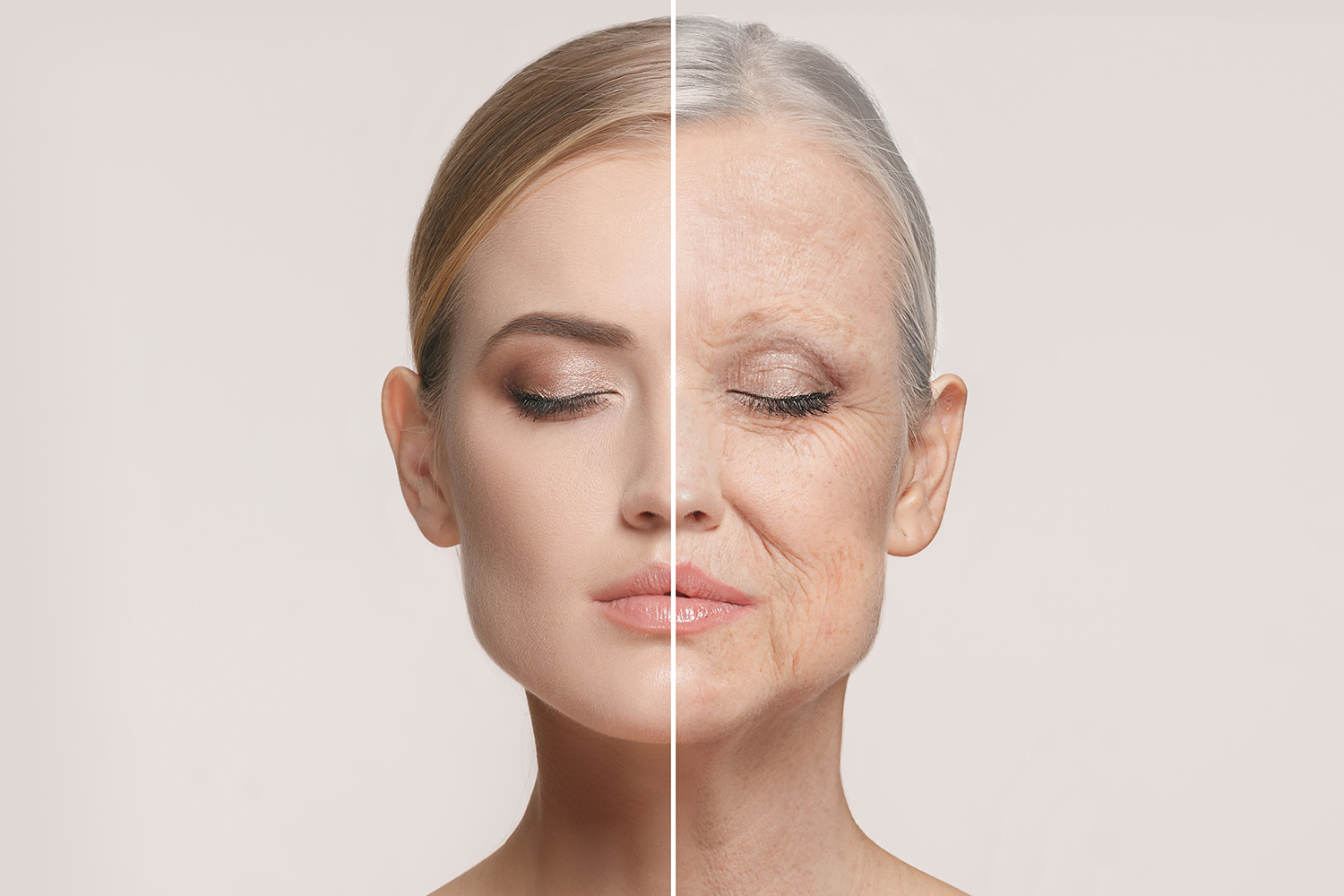
Collagen and elastin fibers form a supportive matrix that gives skin strength and resilience. With time and age, collagen and elastin levels decline, weakening this supportive structure, and skin loses elasticity and firmness, as well as its ability to hold moisture. The result is sagging, wrinkled, or dull skin. Fortunately, it doesn’t have to be that way. Many of the visible signs of aging can be alleviated with innovative ingredients.
“New formulations that contain active ingredients are designed to target specific problems associated with aging skin,” Dr. Kleinsmith says. “Cosmeceuticals and antioxidants can lighten age spots and hyperpigmented skin, improve skin tone, and minimize lines and wrinkles.”
The term cosmeceutical is used to describe a treatment that produces more than a cosmetic or moisturizing effect on the skin. Increasingly popular in conventional skin care, the following are useful bioactive ingredients available in natural products:
- Alpha and beta hydroxy acids (AHAs and BHAs). Although AHAs are not new to skin care, they continue to be important. Made from fruit, milk, and sugar acids, AHAs—including malic, citric, and lactic acids—speed skin exfoliation, helping to generate new cells.
- DMAE (dimethylaminoethanol). When used topically, DMAE becomes incorporated into the cell plasma membrane, strengthening and protecting cells from free-radical damage. DMAE increases the firmness and tone of slack skin.
- Humectants. As skin cells age, they lose their ability to hold water, a key component of healthy, glowing skin. Humectants like hyaluronic acid (sodium PCA), glycerin, and ceramides bind moisture to skin, helping to keep it hydrated and plump.
- Soy. By stimulating the production of collagen and elastin, soy helps keep skin smooth, firm, and moisturized.
- Peptides. Formed from chains of amino acid fragments (the building blocks of proteins), “peptides function as cell messengers,” says Jennifer Blackmore of Country Life. “They help damaged skin repair itself by interacting with the skin cell molecules and by stimulating cell activity.”
- Polypeptides. By increasing the production of collagen fibers, polypeptides improve skin tone and elasticity, smoothe rough, uneven skin tone, and reduce depth of wrinkles. Clinical studies show skin improvement is equal to or better than that of retinol but without its irritating side effects.
- Copper peptides. Used since the 1970s to treat wounds and burns, copper peptides are chains of protein and copper molecules that have been shown to promote the growth of new collagen and reduce the formation of scar tissue.Alpha lipoic acid. A fat- and water-soluble nutrient that the body produces naturally, alpha lipoic acid protects DNA, decreases deep facial creases, and diminishes puffiness under the eyes.
570