Problems with some Cox 2-inhibiting drugs have created concern among the millions of Americans who suffer from osteoarthritis (OA). The good news is that natural alternatives are available.
Safe and effective, some of these pain relievers have been shown to slow the progression of osteoarthritis and even reverse damage.
Inflammation and Pain
All types of arthritis are characterized by chronic inflammation. While there are more than 100 types, the most common is osteoarthritis—also called degenerative joint disease—affecting nearly 21 million Americans.
More than 40 million of us experience occasional joint pain, according to researchers at the Mayo Clinic. OA most commonly strikes the hips and knees, the primary weight-bearing joints.
When joint-cushioning cartilage breaks down, bones rub against one another—causing pain, loss of movement, and inflammation.
Chronic inflammation, like that found in OA, can lead to more serious health problems, such as obesity, heart disease, diabetes, and cancer, says Nancy Appleton, PhD, in Stopping Inflammation.
Natural Pain Relief
Long-term solutions and pain relief are available, thanks to natural medicines and whole foods.
-
Ginger
Ginger may be one answer.
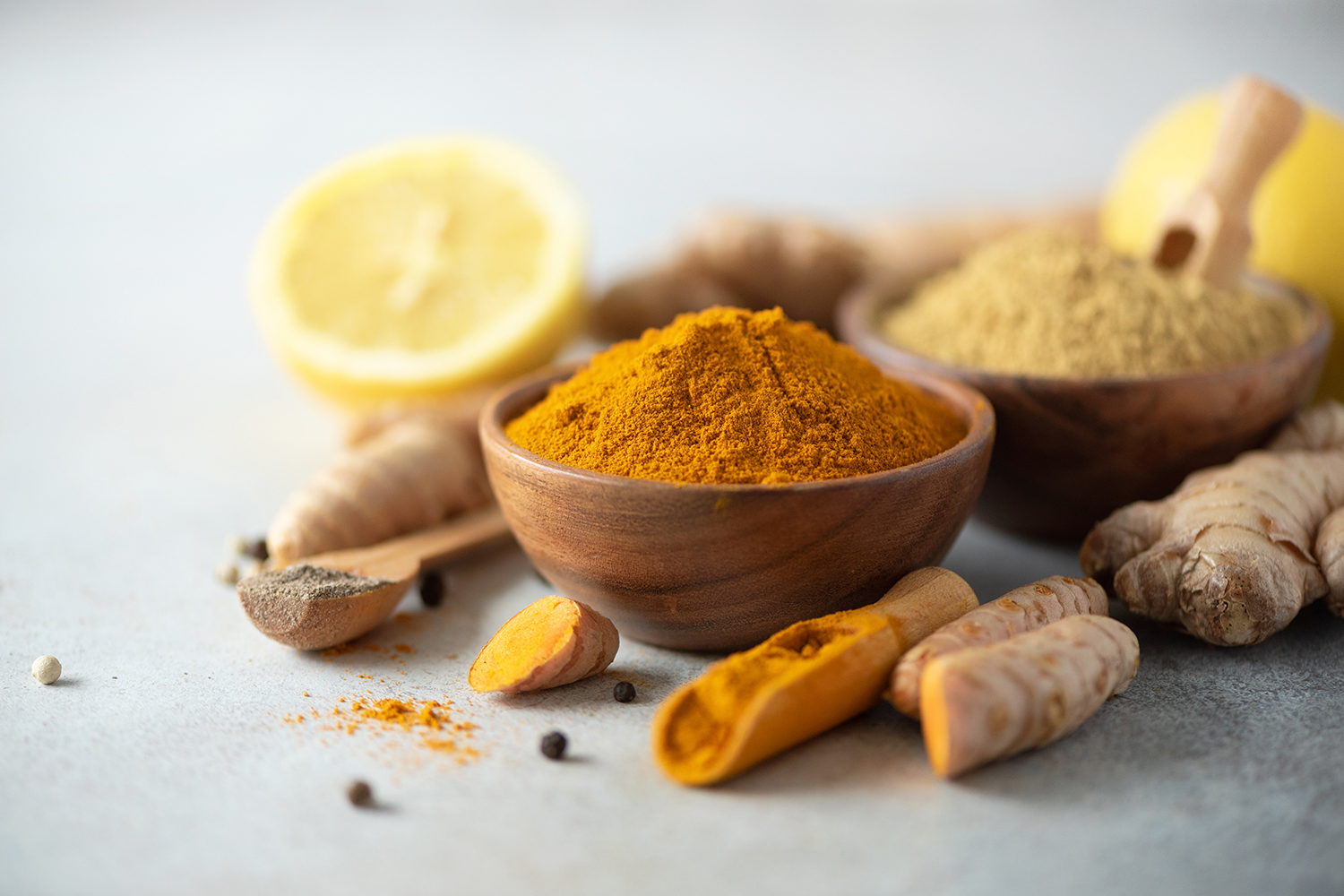
With 477 documented active ingredients, this anti-inflammatory herb contains several powerful natural Cox-2 inhibitors. Yet ginger is so gentle that it is often recommended for morning sickness in pregnant women.
Studies have shown that a moderate dosage of this herb inhibits the formation of inflammatory pain-causing prostaglandins by up to 56 percent.
And a University of Miami study found that 63 percent of patients with knee OA showed improvement after taking ginger for just six weeks.
-
Turmeric
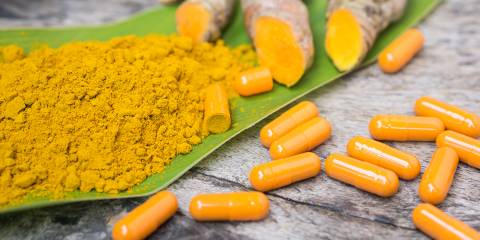
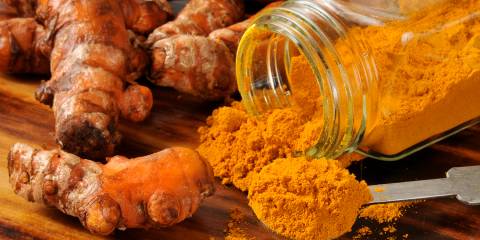
Turmeric, the culinary herb that gives curry its golden color, inhibits the Cox-2 enzyme while keeping Cox-1 levels steady. The curcumin in turmeric appears to reduce inflammation as well as a prescription drug, according to one study. Research shows that curcumin supplements that include gingerols and piperine (ginger and black pepper) enhance the effect of curcumin.
-
Glucosamine
Glucosamine is perhaps the best known and best studied of supplements for relieving joint pain. A form of amino sugar often derived from the shells of shellfish, glucosamine sulfate appears to work in two ways: by stopping the breakdown of cartilage and by stopping the inflammation cycle.
Recent research suggests a higher dosage may be needed than what many supplements contain. For improved effectiveness, glucosamine is often combined with other ingredients.
Chondroitin may improve joint mobility and slow cartilage loss.
A recent analysis of clinical trials indicated that supplementing with chondroitin appears effective against arthritis pain.
-
MSM
MSM (methylsulfonylmethane) contains sulfur molecules that help relieve pain and build certain amino acids like collagen, from which cartilage is formed. A small preliminary study showed patients received an 80 percent reduction in pain when taking MSM.
-
Whole Foods
A fiber-rich diet of whole grains, nuts, seeds, legumes, fruits, and vegetables can help reduce arthritis pain and inflammation. Avoiding stress and environmental toxins can be useful, as well.
Exercise
Finally, an energetic exercise program is a powerful way to address joint pain, as long as you work with a therapist or trainer who can help you prevent further joint damage.
It may seem paradoxical to think of relieving joint pain by inducing more pain, but that’s exactly what you need to do.
Movement of a painful joint actually draws circulation to the area, provides lubrication for the joint, and encourages healing through a reduction of inflammation.
Walking, swimming, and yoga are excellent workouts for many people with inflammatory pain.