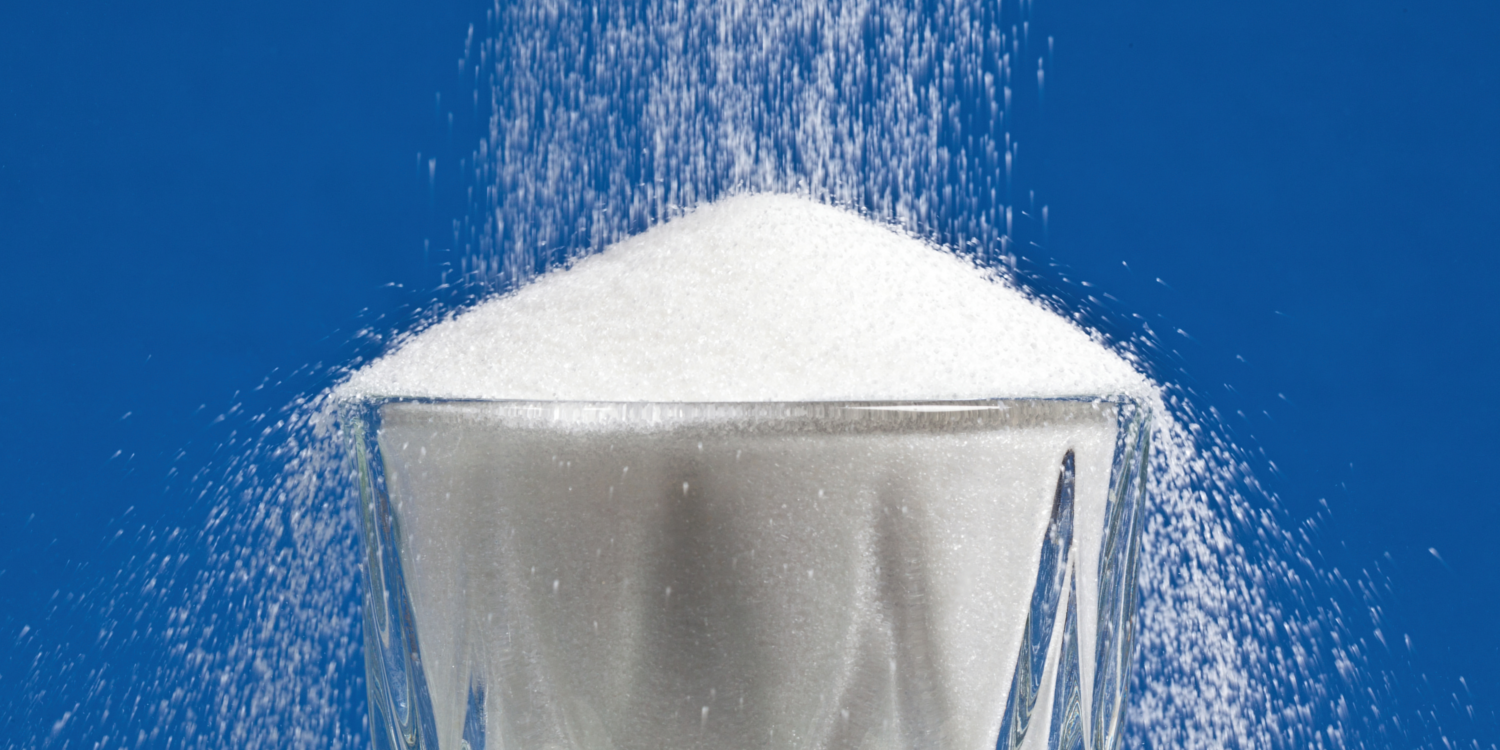
The human body only needs about two teaspoons of sugar in the bloodstream at any one time. Indulging in sugar stimulates the appetite and strengthens cravings. Given how addicting sugar is, is it any wonder overweight and obesity have reached epidemic proportions in this country?
Sugar has been linked to almost every health problem: cancer, cardiovascular disease, Type 2 diabetes, hypoglycemia, and impaired immunity, as well as adrenal gland exhaustion, behavior problems, candidiasis, fatigue, hyperactivity, faulty digestion, mood swings, and tooth decay.
Cutting out sugar and artificial sweeteners will not only make you feel better, it will quickly flatten your belly, says nutritionist Ann Louise Gittleman, PhD, CNS. “You will be motivated by instant, measurable results.”
Here are eight simple ways to help you reduce or even end your sugar habit.
8 Quick Tips for Ditching Sugar
-
Use Stevia Instead
If you don’t enjoy unsweetened foods, use a touch of the sweet herb stevia.
Stevia is 250 times sweeter than sugar—and calorie free, so it won’t spike blood sugar or cause dental decay. But watch out: a little goes a long way!
-
Go Easy on The Carbs
Avoid processed carbohydrates such as white bread and white pasta.
These are quickly converted to sugar in the bloodstream, disrupting the body’s metabolic balance and fat-control systems.
-
Eat Whole Foods
Fruits and vegetables, legumes, nuts, and whole grains contain some naturally occurring sugars, but they also offer dietary fiber and important nutrients to help balance blood sugar.
The more natural, the better. Choose an orange, rather than orange juice. Not only will you get less sugar, but you’ll benefit from more nutrients.
Eggs, poultry, and fish are also healthy choices.
-
Increase Fiber Intake
For the body to function well, it needs at least 25 grams of fiber daily.
An easy way to boost fiber intake is to mix one teaspoon of psyllium to a glass of water with a splash of cranberry or pomegranate juice a half hour before breakfast or retiring for the night.
“Psyllium is a naturally occurring bulking agent with no side effects—unless you have a rare allergy to the plant,” says nutritionist Nan Kathryn Fuchs, PhD.
“Because it contains no artificial sweeteners, sugar, or potentially harmful chemicals, it’s safer than other over-the-counter bulking agents.”
-
Dilute Your Juice
If you must drink juice, dilute it with water.
-
Beware of Fat-Free Labels
These foods actually contribute to health and weight problems.
What the labels don’t tell you is that these products contain more sugar—sometimes two or more times that found in the “regular” versions!
-
Consider Supplements for Cravings
Relieve sugar cravings by supplementing with chromium and L-glutamine, which help stabilize blood sugar (and may also contribute to healthy weight loss).
The Ayurvedic herb gymnema (known as “the sugar destroyer” because it inhibits your enjoyment of sweets) balances blood sugar levels, while supporting weight loss.
-
Learn Alternate Names for Sugar
Become a food detective. Keep an eye out for other names you might see on a label:
- cane juice
- caramel
- corn syrup
- dextran
- dextrose
- fructose
- fruit concentrate
- fruit juice
- glucose
- high-fructose corn syrup
- invert sugar
- lactose
- malt syrup
- maltodextrin
- maltose
- mannitol
- molasses
- raw sugar
- refiner’s syrup
- sorbitol
- sorghum syrup
- sucrose
- yellow sugar