Ayurveda is the belief that there are three basic doshas, or underlying energies, that make up a person’s constitution: vata, pitta, and kapha.
Vata correlates to air and space, pitta to fire and water, and kapha to water and earth. Each person is born with an essential nature, which is expressed through these doshas.
Your dosha has an impact on the condition of your skin.
Skin Conditions and Dosha
You can take our quiz to get a better idea of your dosha, but here are general guidelines.
Skin Types by Dosha
-
Vata
Vata types tend to have dry skin, dry hair, and a tendency toward rough hands with fingernails that break easily.
-
Pitta
Pitta types are prone to sunburn, hives, and rashes.
-
Kapha
Kaphas often experience oily skin, large pores, and facial puffiness.
Effects of Imbalance on Skin
When doshas are in a state of equilibrium, we experience a sense of well-being. But when stress, improper diet, or other influences tip us out of balance, the body lets us know.
“If your skin is feeling normal, use any treatments for your dosha that appeal to you,” advises Reenita Malhotra Hora, author of Inner Beauty. If skin is "showing signs of imbalance, enlist those treatments that target the problem: if dryness is your issue, for example, focus on moisturizing treatments that balance vata.”
-
Vata
Too much vata can lead to fine lines and wrinkles, chapped lips, or rough patches of skin (including eczema and psoriasis).
-
Pitta
Imbalanced pittas can break out in acne and rashes.
-
Kapha
Imbalanced kapha may cause clogged pores and whiteheads.
Ayurvedic Oils for Skin Care
Important in Ayurveda is a daily routine that includes abhyanga or self-massage with oil, ideally oil infused with herbs.
A gentle dry brushing before massage helps all doshas.
-
Vata
- Try oils infused with ashwagandha, ginger, black pepper, and gotu kola.
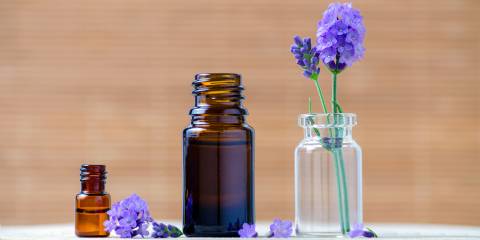
- Try calming essential oils (rose otto, neroli, rose geranium, and lavender) with heavier oils (olive, almond, avocado or ghee [clarified butter]).
-
Pitta
- Try essential oils like rose otto, peppermint, or geranium.
- Consider cooling coconut oil and aloe vera in beauty products.
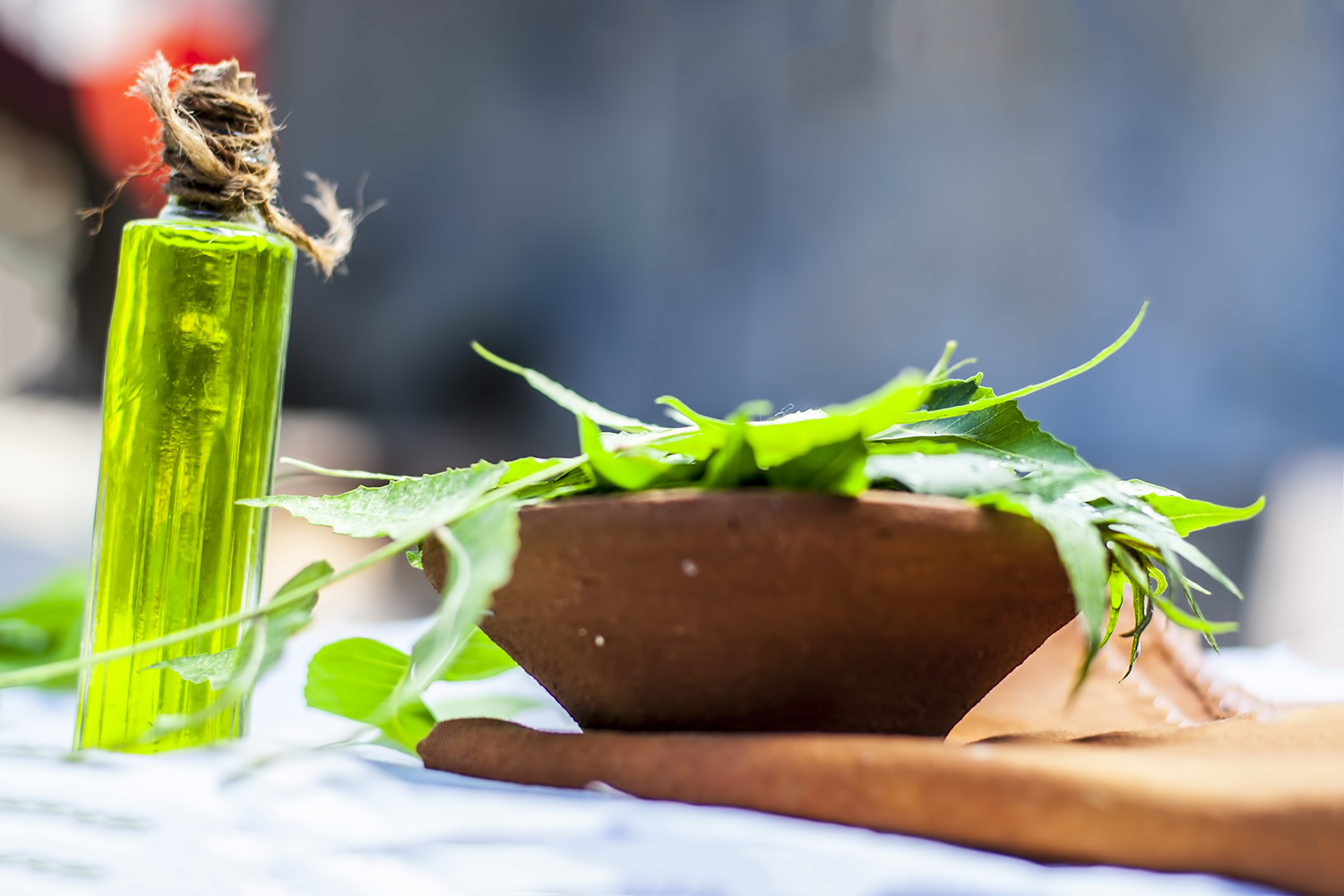
- Try herbs such as gotu kola, turmeric, and neem (known for its skin-healing properties)
- Try essential oils such as lavender, Moroccan chamomile, red mandarin, and clary sage.
-
Kapha
- Use a light carrier oil with stimulating and energizing essential oils such as cinnamon, lemongrass, or cumin.
What's My Dosha?
For each type, count each word that typically describes you. Add up your points to see which dosha(s) dominate. Your secondary dosha will be your second-highest score.
Vata
- Slender
- Dry hair
- Brittle nails that break easily
- Social
- Anxious
- Cold
- Constipated
- Dry skin
- Fine lines
- Dandruff
- Popping joints
- Rough hands
- Easily aggravated by cold and dry climates
Pitta
- Medium physique
- Straight hair
- Flexible fingernails
- Angry
- Itchy skin
- Easily irritated skin
- Sunburns easily
- Hives
- Bleeding cuticles
- Rashes
- Acne
- Freckles
- Easily aggravated by heat
Kapha
- Large-boned
- Thick hair
- Smooth fingernails
- Laid-back
- Withdrawn
- Slow-paced
- Soft skin
- Sweaty
- Sluggish
- Oily skin
- Clogged pores
- Facial puffiness
- Easily aggravated by cold, damp, and gray conditions