




Fast Fixes for Hormone Harmony

By Ann Louise Gittleman, Ph.D., C.N.S.
We host blogs from some of the leading voices in natural health and wellness. Opinions and views expressed by the author are their own, and do not necessarily represent those of Taste For Life or its editorial staff. Please contact Ann Louise Gittleman, Ph.D., C.N.S. with any questions about this content.
This content originally appeared on annlouise.com

“I can’t lose weight because my hormones are out of whack.” I have heard this sentiment from countless female clients. Women suffering from fatty liver, prediabetes, high cholesterol, gallbladder problems, and depression feel powerless in their struggle to lose weight and feel healthy.

Hormonal imbalance has long been to blame for unexplained weight gain. As we age, many factors can upset the delicate balance between our hormones.

Why is it then, after addressing these factors, some of us still have difficulty losing weight?

Why Hormones Need to Be Reset

It’s simple. Every hormone is a key that must turn a lock in order to be effective. These “locks” are called receptor sites. Inflammation—from a variety of seemingly unrelated factors—can alter the shape of our receptors, making our hormonal “keys” ineffective.

Here are the hidden sources that can clog up receptor sites and “gum up” your system:

  • Constant exposure to xenoestrogens (estrogen mimics) in our diet, environment, and even our personal care products.
  • Sugar, alcohol and caffeine intake (coffee, black tea, green tea, and white tea).
  • High fructose intake (even from natural foods like unsweetened applesauce and tomatoes).
  • Stress, EMFs (electromagnetic frequencies) and sleep deprivation.
  • “Grain Drain” from wheat, rye, barley, and corn based products (which are usually genetically modified, to add insult to injury).
  • Meat, dairy and eggs from animals treated with growth hormones

Your Personal Hormone Tune-Up

By making a few tweaks in your daily routine you can easily re-shape your receptors for a personal hormone tune-up, resulting in lasting weight control and well-being.

Estrogen is the ultimate hormone magnet for sodium and fat. When out of balance with its sister hormone progesterone, estrogen dominance creates an increase in water retention, migraines, memory lapses, and will promote fat storage around hips and thighs. It can even accelerate aging!

  • Topical Progesterone crème can help offset estrogen dominance.
  • Reduce copper-rich foods like chocolate, nuts and seeds, soy, avocados, and shell fish. Copper is closely associated with estrogen, so women using copper IUDs or birth control pills are at high risk for estrogen dominance.
  • Wash fruits and vegetables thoroughly to remove estrogen-mimicking pesticides, fungicides, and herbicides.
  • Do not re-heat food in plastic containers, and choose a water bottle made of glass or stainless steel rather than plastic.
  • Avoid personal care products that include endocrine disruptors like parabens and phthalates.
  • Sweep away excess estrogen by using two tablespoons of lignan-rich toasted cold milled flaxseeds each day, sprinkled on your food or blended in smoothies.
  • Season soup, stew, chili or other bean dishes with 2 to 3 cardamom seeds. Cardamom is a digestive aid with the unique ability to cleanse and detoxify the liver, which is essential for hormone balancing.
  • Optimize estrogen metabolism by supplementing with DIM (diindolylmethane). Take 100 mg twice daily with meals.

Tune-Up Tricks for Clean Insulin Receptors

Insulin levels skyrocket with excessive intake of sugar, alcohol, and caffeine. Meals that are not properly balanced with blood sugar-stabilizing protein and fat also spike insulin, overwhelming receptor sites and triggering fat storage. When receptors are blocked or already saturated, insulin resistance occurs, giving rise to metabolic syndrome and contributing to high blood sugar and elevated triglycerides.

If weight gain, cravings for sugar, intense hunger, feeling frequently hungry, difficulty concentrating, feeling anxious or panicky, lacking focus or motivation, fatigue are your major symptoms, then it is time to clean up your insulin receptor sites.

  • Sip on a glass of water with 1 teaspoon of raw apple cider vinegar during each meal. The acidity of ACV slows the digestion of carbohydrates and can lower blood sugar by as much as 30 percent!
  • Enjoy hot lemon water first thing in the morning in place of one of your cups of coffee. Coffee consumption while fasting is associated with increased fasting insulin concentration and decreased insulin sensitivity, as determined by The American Diabetes Association.
  • Supplement with 400 micrograms (mcg) chromium, which is a key mineral for blood sugar regulation and is commonly deficient in our diet.
  • Use stevia in place of sugar in beverages, smoothies, and baking. Stevia is a naturally sweet-tasting herb that does not cause an increase in blood sugar.
  • Season your food liberally with cinnamon, cloves, bay leaves, and coriander—which are all proven to help your body metabolize sugar.

Tune-Up Tricks for Clean Leptin Receptors

Leptin is the hormone of satiety. If you never feel satisfied after a meal, then clogged leptin receptors is likely your problem. Levels soar when you’re eating high amounts of fructose and not enough essential and healthy fats. Receptors are never able clear out.

  • Avoid foods high in fructose, which stimulate the appetite. Obvious offenders are processed foods and drinks that contain high fructose corn syrup. Less obvious are natural foods like tomatoes, unsweetened apple sauce, and agave. Fat free salad dressings, ketchup and barbeque sauces pack an unsuspected punch as well.
  • Eat protein within 30 minutes of waking. Enjoy a plant-based protein smoothie as a clinically proven way of clearing out leptin receptors and promoting satiety.
  • Reactivate leptin receptor sensitivity by including omega fatty acids 3, 6, and 9 in your diet. Black currant seed oil offers an unparalleled combination of these essential fats that increase metabolism, fight inflammation, and add luster to hair, skin, and fingernails.

Tune-Up Tricks for Clean Cortisol Receptors

Fat-promoting cortisol is activated by stress, EMF exposure, and sleep deprivation. Just one night of poor sleep can raise cortisol by 45 percent! A stressful conversation at work is enough to overload cortisol receptors within minutes, and 24/7 use of wireless devices add insult to injury by ramping up cortisol production, with the creation of over 20 heat-shock proteins. Excess circulating cortisol is responsible for weight gain around the midsection, low immunity, salt and sugar cravings, tissue destruction and inflammation—all of which begin a vicious cycle that can quickly lead to adrenal burnout.

  • Treat yourself with coffee whipped up with 1 tablespoon each of coconut oil and vanilla whey protein. Black coffee on an empty stomach tanks blood sugar, which sends cortisol levels through the roof. Blending with a little healthy fat and protein, however, can prevent the cortisol spike.
  • Practice yoga and meditation. These stress-relieving activities are proven to lower cortisol.
  • Put down electronics one hour before bed. EMFs affect the body on a biological level, raising cortisol. To wind down and promote restful sleep, disable your wireless router, switch mobile devices into airplane mode, and read a book instead of watching TV.

Tune-Up Tricks for Clean Thyroid Hormone Receptors

Your thyroid is a key metabolic driver. When it is under-active, you’ll be experiencing fatigue, joint pain, depression, impaired memory, constipation, cold hands and feet, dry skin, hair loss, and weak fingernails.

  • Go grain free. Many grains contain gluten, which is a type of protein that looks so similar to thyroid hormone that it can actually trick our bodies into producing less of this critical hormone. Eliminate gluten containing grains from your diet to naturally reset thyroid hormone production. Wheat, rye, spelt, kamut, couscous, oats, triticale, and barley should be avoided. Gluten-free alternatives are millet, brown or wild rice, taro, teff, buckwheat, quinoa, and amaranth. Instead of flour, consider using arrowroot or tapioca for thickening.
  • Cook with coconut oil. This healthy fat is a rich source of medium chain fatty acids that improve the efficiency of your thyroid and boost metabolism by 56 percent!
  • Get tested. Ask your doctor to order a comprehensive thyroid test that evaluates TSH, Free T4, Free T3, Reverse T3, and thyroid antibodies. Keep in mind that “normal” values for these hormones are not always the optimal level for your unique biochemistry. I like to see T3 at the upper quarter of the normal range.

Tune-Up Tricks for Clean HGH Receptors

Human Growth Hormone (HGH) is not only a key player adolescent development, it plays a crucial role in bone remodeling, cardiovascular protection, and body composition as we age. Too bad that once you turn 40, HGH production decreases by 14 percent every decade! The issue is further complicated by exogenous sources of HGH in meat, dairy, and eggs treated with growth hormone rBST. This unnatural hormone exposure can fool our bodies into producing less of our own bioavailable HGH. Symptoms of low HGH include muscle loss, high body fat percentage, anxiety, depression, low libido, and high blood pressure.

  • Eat Montmorency tart cherries, a naturally rich source of melatonin. Italian researchers discovered a 157 percent increase in HGH levels when study participants took 5 mg of melatonin at night before bed. I encourage my clients to sip on ¼ cup tart cherry juice diluted with 1 cup of water between 7 pm and 9 pm.
  • Adopt an interval training exercise program. Alternate short periods of high intensity activity with longer periods of low to moderately intense activity for a surefire way to increase HGH production by more than 500 percent!
  • Ground yourself. The revolutionary Earthing technology naturally raises melatonin levels while simultaneously lowering cortisol and eliminating inflammation.
  • Eliminate dairy. While most milk labels assure that cows were not treated with rBST, many other dairy products are not able to make this claim—think butter, sour cream, cheese, yogurt, coffee creamer, etc. Keep the synthetic HGH out of your diet!
  • Choose only organic meat and eggs. USDA organic standards prevent the use of growth hormone in animals.

The Daily Detox

Fat stores more than just excess weight—toxins of all types are stored in fat, too. Heavy metals, chemicals, drug residues, and excess hormones are sequestered in our fat cells as a method of protection, so as we burn fat and lose weight many toxins are released into circulation in our bodies.

Since we can’t just let those toxins circulate, it’s crucial to have tried-and-true detoxifiers to bind with and eliminate these dangerous compounds. Incorporate as many of the following finale “tune-ups” to ensure a thorough hormone and weight loss makeover!

  • Soak in a luxurious detox bath once or twice per week. Add 2 cups baking soda and 2 cups sea salt to a hot bath and relax until that water cools. Towel off and do not rinse for 4 hours. The initial hot water brings toxins to the surface of the skin. As the water cools, osmosis draws toxins away from the heat of the body and into the cooling water. This is especially good to alleviate jet-lag and radiation-related fatigue.
  • Cran-water and pure water are essential to keeping your lymph flowing, which is a main means of toxin removal.
  • Fiber up with flax and chia seeds. Their soluble and insoluble fiber ensures toxins that are dumped into the digestive tract are bound and promptly eliminated. Flax and chia seeds are wonderfully detoxifying in this way, so try incorporating 2 to 4 tablespoons per day into your diet.
  • Try activated charcoal, which uses the principle of absorption to soak up toxins in the stomach, like a sponge soaking up water.
Contributor

Ann Louise Gittleman, Ph.D., C.N.S.

Ann Louise Gittleman, PhD, is a New York Times award-winning author of 30 books on detox, health, and healing, including the international bestselling Fat Flush Plan and Zapped! Visit her blog and join her online Fat Flush Community.

SIBO and Fatty Liver Disease

The Newest GI Epidemic

By Ann Louise Gittleman, Ph.D., C.N.S.
A woman in all white holding her stomach in pain.
ID 84467305 © Puhhha | Dreamstime.com
We host blogs from some of the leading voices in natural health and wellness. Opinions and views expressed by the author are their own, and do not necessarily represent those of Taste For Life or its editorial staff. Please contact Ann Louise Gittleman, Ph.D., C.N.S. with any questions about this content.
This content originally appeared on annlouise.com

Bad bacteria, like the ones that cause food poisoning, could also be causing your SIBO, and surprisingly, Fatty Liver Disease as well.

You’ve heard it from me countless times over the years – your body is only as healthy as your gut. If you can’t digest and absorb nutrients from food and drinks while also fending off foreign invaders, then there’s something wrong with your gut – and that something might be food poisoning.

Ten percent of people who come down with a case of food poisoning don’t recover and it becomes a chronic bacterial infection. When this happens, it can progress into Small Intestine Bacterial Overgrowth (SIBO), and as researchers have recently discovered, it can wreak further havoc and lead to Nonalcoholic Fatty Liver Disease (NAFLD).

The good news is you can beat the bloat and get your gut health back on track with a few simple steps.

Digestion 101

Your digestive system is the first line of defense for most of the foreign invaders your body comes in contact with. This complex system has multiple internal lines of defense to keep these harmful invaders from breaching its protective front lines and invading your bloodstream, where they are able to travel pretty much anywhere in the body to wreak havoc.

The digestive cascade all starts in your mouth with chewing and saliva production. Chewing your food thoroughly stimulates the release of saliva, which in turn signals how much stomach acid to make, followed by digestive enzymes from the pancreas and bile from the gallbladder. In your intestines, your microbiome – the collection of healthy bacteria that makes up part of the immune system in your gut and helps you break down and absorb nutrients – gets to work breaking down food and attacking unwanted hitchhikers that make it past the stomach.

When all of this is working properly, it also balances the pH needed in each area and controls how much peristalsis – the wave-like contractions of the intestines – needs to happen to move the food along. The end result is food that is broken down, all the nutrients extracted and sent where they’re needed, and any harmful invaders neutralized and easily eliminated through regular bowel movements.

This delicately balanced system can be thrown out of whack at any point along the course – you don’t chew your food thoroughly, which causes less stomach acid to be released, and then fewer pancreatic enzymes and less bile is released. Or you drink too much liquid while you eat, which dilutes your stomach acid, causing a slow down of the whole system. Or perhaps worst of all, a break down in the microbiome allows bad bacteria to survive, and you now have an illness – like food poisoning – to fight.

How Food Poisoning Causes SIBO

Thanks to your microbiome, at least 60 percent of your immune system is in your gut. This is likely because it’s your first line of defense against most of the foreign organisms you encounter. Aside from the food and drinks you put in your mouth, the secretions from your pulmonary system drain into your stomach, and anything you touch before putting your fingers in your mouth also ends up in your digestive system.

If there is any weakness to your microbiome – either not enough probiotic bacteria or not enough diversity – the bad bacteria that cause food poisoning will take over and cause illness, damage, and eventually SIBO (Small Intestine Bacteria Overgrowth). According to researchers, food poisoning bacteria like Salmonella, E. coli, Campylobacter jejuni and Shigella all produce a potent neurotoxin called cytolethal distending toxin B. The more antibodies you make against this toxin, the more likely you are to develop SIBO.

Cytolethal distending toxin B is molecularly similar to a good protein we have in our intestines called vinculin. Because your antibodies can’t tell these two proteins apart, the same antibodies that attack the neurotoxin also attack your good vinculin protein. Vinculin is a “good guy” for the nerve cells in your gut; it stimulates peristalsis in its surroundings. When you have less of this protein then you have weak muscle contractions, which means food stays too long in the small intestine.

This slower transit time gives bacteria the chance to latch on, feed, and overgrow. Once bacteria overgrows in the small intestine, the result is bloating, gas, inflammation (and more), the hallmarks of SIBO. Food poisoning and its resulting gastrointestinal damage is now considered to be one of the major causes of SIBO. But, in the case of E. coli, the damage doesn’t stop there.

From SIBO to NAFLD - How Bad Bacteria Just Get Worse

Did you know the protective lining of the intestines – that separates harmful bacteria from your bloodstream – is only one cell in thickness? It’s true! Normally, there’s a protective mucus layer over this lining that houses the majority of your microbiome. But, when the microbiome gets disrupted, the mucus layer can be destroyed by bad bacteria (or parasites) and invade your body by getting into your bloodstream, causing systemic inflammation.

E. coli is especially heinous, and is a major contributor to Nonalcoholic Fatty Liver Disease (NAFLD). When it overgrows in the small intestine, it gives off alcohol as its byproduct. So this bacteria in particular causes that food to ferment, increasing bloating, the release of toxins, and the production of alcohol. Once it breaks through your intestinal barrier, all of that alcohol floods your system and heads for your liver.

The alcohol produced by bacteria poisons your liver the same way the alcohol you drink does.

It used to be that we only saw Fatty Liver Disease in people who regularly drank excessive amounts of alcohol. Now NAFLD affects more than one-fourth of the adult population in the US. We see it most commonly in people with high carbohydrate diets who are feeding the alcohol-producing bacteria (and yeasts) in their disrupted microbiome. In fact, these alcohol-producing bacteria have been found in more than 60% of NAFLD patients.

Your alcohol levels from the bacteria (and yeasts) can actually go so high that you register a blood alcohol level of intoxication. This is called Auto-Brewery Syndrome and is rare, but should give you a good idea of just how much alcohol these bacteria can make. So, if you’re experiencing bloating, brain fog, inflammation, and fatigue, then it’s time to tune-up your microbiome and strengthen your intestinal border function.

Get Your Gut Health Back in 3 Easy Steps

  1. Cleanse Your Digestive System

    SIBO and NAFLD are both signs that your microbiome has been disrupted, allowing harmful bacteria to invade and do damage. So, good gut health starts with a gentle but thorough cleanse. There are two ways to go about this.

    • For Recent Symptoms

      First, if you’ve only recently developed the symptoms, you may be able to do a broad spectrum herbal colon cleanse.

    • For Ongoing Symptoms

      If the problem has been ongoing, it may make more sense to start with a comprehensive laboratory test like the Expanded GI Panel from UNI KEY Health or a DNA probe to determine exactly which bacteria are causing your issues so you can make a more targeted, informed approach.

  2. Take Enzyme Supplements

    Once the delicate lining of the intestines is injured, the digestive enzymes that are normally attached are flushed out without being able to do their job. So, supplementing with digestive enzymes is not only helpful to fight inflammation but also provides good digestive support while you are healing. I recommend taking a good quality, broad spectrum digestive enzyme formula with every meal.

    Also, enteric-coated peppermint capsules have been found to soothe the inflammation associated with SIBO and are currently being researched for their antimicrobial effects in the intestine.

  3. Restore Your Microbiome

    It’s important to “seed and feed” your microbiome – it contains trillions of bacteria ready to come to your aid. Once it is disrupted and harmful microorganisms have begun to overgrow, you need to bring back healthy probiotic populations so it can effectively do its work again. Taking a good quality probiotic that contains the prebiotic food they prefer is something I consider essential to helping restore health to your microbiome.

    Numerous studies show there is a strong relationship between choline deficiency and NAFLD, so I believe choline supplementation is essential for liver support. I recommend taking a supplement twice daily to get your daily dose of choline.

Contributor

Ann Louise Gittleman, Ph.D., C.N.S.

Ann Louise Gittleman, PhD, is a New York Times award-winning author of 30 books on detox, health, and healing, including the international bestselling Fat Flush Plan and Zapped! Visit her blog and join her online Fat Flush Community.

Bring Home Only Memories With These Travel Tips

By Ann Louise Gittleman, Ph.D., C.N.S.
We host blogs from some of the leading voices in natural health and wellness. Opinions and views expressed by the author are their own, and do not necessarily represent those of Taste For Life or its editorial staff. Please contact Ann Louise Gittleman, Ph.D., C.N.S. with any questions about this content.

Your “healthy” sunscreen is packed. CHECK! Your wide brimmed hat is in the bag. CHECK! Even healthy snacks are now part of your travel accompaniments. But there’s one thing I bet will be forgotten on far too many of the approximately 1.7 billion trips taken this year.

No matter where your travels may lead you (even here in the USA) you need to be proactive when it comes to uninvited guests—parasites, that is! These can lurk in the most pristine water, in ice cubes (absolutely none in drinks, please), fresh water lakes, and on those white silver sands.

How exactly do they make their way into your body? I hate to tell you that it’s easier than you’d think. I bet you’re quite aware that it’s imperative to be cautious of your diet during international travel. Parasites can lurk in all sorts of food and drink. Plus, the local population might not even be aware because they’ve developed an immunity—but you have not.

Don’t make the mistake of thinking you’re safe in certain places because you can be anywhere and come in contact with parasites—such as dining at a trendy sushi restaurant, consuming undercooked meat at a steak house, or a drinking out of a glass that wasn’t properly washed.

Seemingly Innocent Sources

But it doesn’t end at dietary. You can pick up parasites simply by taking a dip in a local body of water or even unwittingly walking through scat of some sort. I recently became privy to the story of a man who had what his doctor originally thought was a varicose vein in his foot. Upon noticing that the location of this vein was moving, they discovered that it was actually a parasite living inside his foot that he’d picked up during a recent trip!

Whether you’re in a remote jungle or you’re walking along the beach, ensure that you’re wearing the proper footwear to prevent coming in direct contact with sneaky parasites.

Along these lines, a recent study of the brain tissue of deceased patients who’d suffered from neurological conditions found that 19 of those studies contained three Borrelia pathogens—including the one known to cause Lyme disease. This is another discovery in the growing body of research showing a strong connection between untreated parasitic infections and Lyme disease. Many believe that they picked up this frustrating and debilitating illness from horseback riding, time spent in the woods, and most certainly, excursions while on vacation.

To make matters worse, symptoms often don’t immediately appear, so you could be settled in back home before while the parasites have been silently multiplying and preparing for attack, unbeknown to you.

Parasitic Problem

If a selection of these symptoms has recently popped up (or have been plaguing you for some time), there might be an issue.

  • Anxiety, nervousness and depression
  • Frequent infections including yeast infections and colds
  • Nagging cravings for sweets
  • Intestinal issues like intermittent constipation, diarrhea, bloating, and gas
  • Joint or muscle pain
  • Difficulty sleeping or nighttime teeth grinding
  • Fatigue that won’t let up
  • Dark circles around or under the eyes
  • Acne, eczema, hives, rashes or other skin conditions
  • Sensory disorders such as vertigo, brain fog or poor coordination

Prepare Before You Pack

So, what can you do?

While you’re on your trip, you can—and should—be very aware of what you eat. Research restaurants, stay away from street vendors, be cautious of pre-cut fruits and veggies that could have been washed in contaminated water, and avoid undercooked meat, fish, dairy, and cold topping and condiments.

You can take it a big step further by prepping your body prior to your travels. My mentor Dr. Hazel Parcells (who lived to be 106!) was a huge believer in detox baths—and so am I. The idea behind these baths is that they supercharge your immunity by balancing your cellular pH level, creating an undesirable environment for parasitic invaders.

Please do try this bath once or twice a week during the time leading up to your trip, as well as after your return.

  1. Run a tub to the hottest temperature you can manage. Dissolve 1 pound of salt (like Kosher salt) and 1 pound of baking soda in the water, and begin to soak.
  2. Sip a glass of warm water mixed with ½ teaspoon of salt and ½ teaspoon of baking soda for internal pH balance.
  3. Get out of the bath when the water is cool. Don’t shower for at least four hours.
Contributor

Ann Louise Gittleman, Ph.D., C.N.S.

Ann Louise Gittleman, PhD, is a New York Times award-winning author of 30 books on detox, health, and healing, including the international bestselling Fat Flush Plan and Zapped! Visit her blog and join her online Fat Flush Community.

Diabetic Retinopathy

Abnormal blood sugar can damage your eyesight.

By Cheryl Myers
We host blogs from some of the leading voices in natural health and wellness. Opinions and views expressed by the author are their own, and do not necessarily represent those of Taste For Life or its editorial staff. Please contact Cheryl Myers with any questions about this content.

Did you ever play games as a kid such as “Would you rather..?”

  • Would you rather be attacked by a lion or a bear?
  • Would you rather be stranded on a deserted island or lost in the woods?
  • Would you rather lose your hearing or your eyesight?

According to surveys (Yes, scientists study everything!), the most common answer is that people would preserve their vision over hearing. Some of the reasons given are that they equate vision with more independence, with driving, with reading, with media, with understanding the world around them.

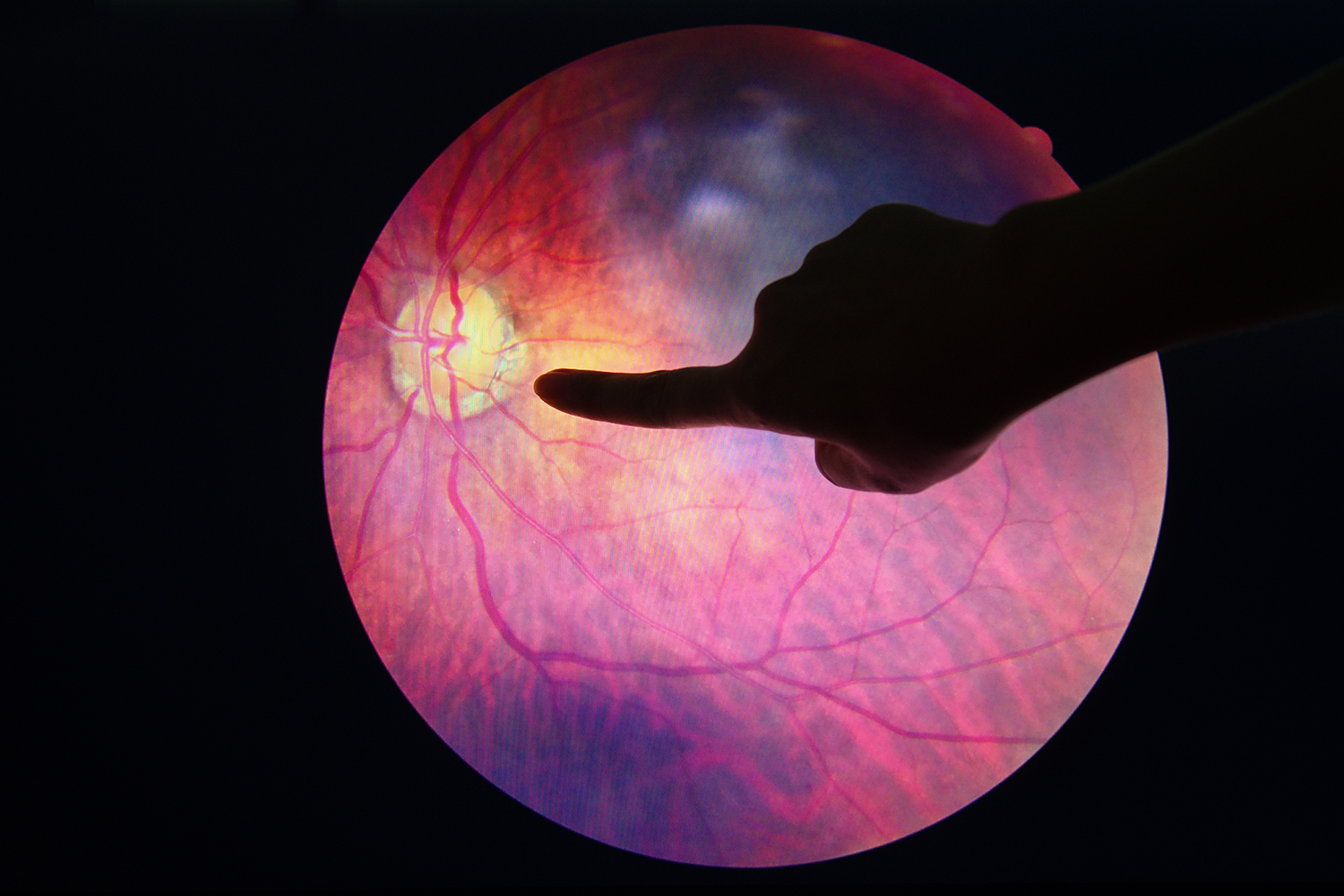
How sad, then, that millions of Americans are at risk for losing their sight because of a disease that is preventable: diabetic retinopathy.

What is Diabetic Retinopathy?

Diabetic retinopathy is the leading cause of vision damage and vision loss in American adults.

How Common is Diabetic Retinopathy?

It is estimated that about 1 in 3 people with diabetes will develop this problem, though not all will progress to full blindness. The longer a person has diabetes, the longer they do not have good blood sugar control, the greater the risk of this disorder.

What Causes Diabetic Retinopathy?

In 2020, about 35 million Americans had diabetes and 88 million had pre-diabetes. These abnormal blood sugar levels are killing our eyesight!

One way to measure blood sugar health is the hemoglobin A1c test (HbA1c) test. Levels greater than 7.0 are associated with a 3.5 times increase in severity of diabetic retinopathy. It absolutely pays to reduce blood sugar levels to preserve eyesight, and there are many lifestyle changes and natural compounds such as Hintonia latiflora, cinnamon, and berberine that can help with that.

However, the topic of this article is looking at nutrients that directly affect vision.

Recommended Nutrition

These nutrients are well known, but not necessarily well known for preserving vision and addressing retinopathy: curcumin, grape seed extract, melatonin, and propolis.

  • Curcumin

    Curcumin is the most powerful herbal anti-inflammatory that I have ever encountered, and it is a potent antioxidant as well. Both functions play a role in preventing the damage that leads to diabetic retinopathy.

    In a 2018 study on enhanced-absorption curcumin with turmeric essential oil (BCM-95 Curcumin) demonstrated that 1,500 mg of curcumin daily could significantly reduce a marker of inflammation called the high-sensitivity C-reactive protein (CRP) levels in ten weeks. The hs-CRP test is highly predictive of many diseases, and some researchers have proposed that CRP levels be used as a biomarker to evaluate the severity of diabetic retinopathy. That means that reducing CRP is strongly correlated with reducing eye damage.

    Another 2018 study using a curcumin phytosome (Meriva) demonstrated that taking 1,000 mg for three months significantly improved visual acuity in 83 percent of participants with diabetic macular edema, a very common complication of diabetic retinopathy.

    The use of curcumin for preservation of eyesight can be highly effective, but the best results occur when curcumin is better absorbed, so look for enhanced-absorption products.

  • Grape Seed Extract

    Grape seed extract is a rich source of compounds called polyphenols. One type of polyphenol, called oligomeric proanthocyanidins (OPC), is enormously beneficial for a wide variety of health problems, with studies on cancer, diabetes, hypertension, and liver and cardiovascular diseases.

    The same mechanism of action that makes it a powerful natural medicine for all these diseases makes it great for preventing retinopathy and helping to maintain vision in people who already have damaging eye changes.

    However, the OPCs that are so beneficial come in a variety of sizes, and not all are absorbable. The largest size OPCs are called tannins and are too big for absorption. It is useful to make sure the grape seed extract you choose is 100 percent absorbable and tannin-free for superior results.

    Grape seed extract is also a super-potent antioxidant and has some anti-inflammatory activity as well. One aspect of retinopathy is the collapse and/or clogging of the tiny blood vessels that feed the eye. The OPCs in grape seed extract can protect those tiny vessels. Additionally, grape seed extract has antidiabetic properties.

    A 2019 study demonstrated that grape seed extract was superior to a prescription medication used for diabetic retinopathy. Patients received 150 mg grape seed extract or 750 mg of calcium dobesilate per day. At the end of the 12-month study, people in the grape seed extract group had significant improvements in factors related to diabetic retinopathy. Treatment success was highest in the grape seed extract group at 43.9 percent, versus 14.3 percent in the prescription drug group.

  • Melatonin

    I know that most folks think of melatonin as a sleep aid, but it is so much more than that. I always think of it as the conductor of a great orchestra. Melatonin sets the rhythm and directs all the instruments to play at certain intervals and with varying levels of intensity.

    It influences everything from your blood pressure to how quickly you digest food, so it should not be surprising that it plays a powerful role in eye health, too.

    Melatonin is made mainly in the pineal gland in the brain, but it is also synthesized in the retina of the eye to help to protect against oxidative stress and damage.

    A clinical study on a retinal disease called central serous chorioretinopathy (CSCR) found that melatonin could improve visual function. Participants were given a placebo or 3 mg of melatonin three times per day. After one-month, 87.5 percent of the participants in the melatonin group

    experienced a significant improvement in visual acuity. Additionally, the participants also experienced a reduction in macular thickness, indicating a positive response and decrease in edema in the eye. This is good news for people who already struggle with changes related to retinopathy.

  • Propolis

    Another effective natural medicine that can help with diabetic retinopathy is propolis. Propolis is a plant substance collected by bees, then mixed with other bee compounds and deposited in the structure to protect the health of the hive and all its inhabitants. It is potently antiviral and antibacterial but has vision preservation properties as well.

    A 2019 research study demonstrated that propolis could help prevent diabetes-associated retinal changes. Propolis was shown to protect the retina in several ways, including reductions in fasting blood sugar, HbA1c, and inflammatory compounds. The researchers showed that propolis also protected the retinal barrier from oxidative changes.

  • Other Nutrients

    There are so many other nutrients that are beneficial for vision in general and eye diseases in particular.

    • All the carotenoids, especially beta carotene, lutein, and zeaxanthin are useful, as are vitamins such as A, C, and E.
    • Bilberry and blueberry contain nutrients that promote healthy vision.
    • Ginkgo, often used for memory and brain function, is also beneficial for improving blood flow to the retina.

    The list goes on. There is no single natural medicine that does it all, so you may want to consider pulling together a protocol that works best for you.

Contributor

Cheryl Myers

Cheryl Myers, RN, is an integrative health nurse, author, and expert on natural medicine. She is a nationally recognized speaker who has been interviewed by the New York Times, Wall Street Journal and Prevention magazine. Her articles have been published in Aesthetic Surgery Journal and Nutrition in Complementary Care, and her research on botanicals has been presented at the American College of Obstetrics and Gynecology and the North American Menopause Society. Follow Cheryl on Facebook! 

Foods to Combat Constipation

Natural Tools To Get Things Moving and Lose Weight

By Brenda Watson, CNC
We host blogs from some of the leading voices in natural health and wellness. Opinions and views expressed by the author are their own, and do not necessarily represent those of Taste For Life or its editorial staff. Please contact Brenda Watson, CNC with any questions about this content.

Chronic constipation is the top gastrointestinal complaint in the United States. According to the National Digestive Diseases Information Clearinghouse, more than four million Americans have frequent constipation.

What Causes Constipation?

The possible causes are numerous and can be complex. The source of constipation could be:

  • dehydration
  • lack of:
    • fiber
    • beneficial bacteria
    • B vitamins
  • certain medications
  • chronic stress
  • genetics

...to name a few.

Processed Foods

Constipation is much more common in Western cultures than elsewhere due in part to our sedentary lifestyles and consumption of processed foods.

Fiber (indigestible complex plant carbohydrates found in fruits, vegetables, and whole grains) is removed from most processed foods because it decreases shelf life.

Indigenous cultures that have a high intake of dietary fiber invariably enjoy superior intestinal health.

Diet and Nutrition to Fight Constipation

  • Start with Fiber

    High intake of dietary fiber has many benefits for individuals, including:

    • Decrease of transit time for stools
    • Decrease of absorption of toxins from stools
    • Bulking and softening of stools
    • Increasing frequency, quantity, and quality of bowel movements

    When bowel transit time is slow, waste is not promptly eliminated from the body. It creates prolonged bacterial fermentation of retained fecal material, which can produce toxins. As toxins are reabsorbed into the body, the risk of developing colon diseases and other health problems increases. The toxins stress the gallbladder, pancreas, and liver, giving rise to fatigue and headaches.

    Toxins created in the constipated bowel damage digestive enzymes in the intestinal wall and cause digestive problems and nutrient deficiencies. The walls of the colon can weaken and herniate, giving rise to diverticulosis. The excessive bowel transit time associated with constipation can also contribute to bowel disorders such as irritable bowel syndrome and colitis.

    In addition, studies suggest that constipation may indirectly cause estrogen to be reabsorbed. With slow transit times, a low-fiber diet, and low concentrations of beneficial Lactobacilli and Bifidobacteria, there will be reabsorption of estrogen. This can lead to estrogen dominance, which can result in long-term health issues.

    If you are not eliminating one and a half feet of feces per day (the length of the descending colon), you are not getting enough dietary fiber in your diet. This comes as no surprise, as the average intake of dietary fiber in the US is 12 to 15 grams. I recommend at least 35 grams daily for optimal health.

  • Balance your Gut with Living Foods

    When you eat living foods daily, you replenish the good bacteria in your gut and increase your fiber intake, which helps control appetite.

    Living foods either contain beneficial bacteria, or they act as food for the beneficial bacteria already in the gut.

    Living foods include non-starchy vegetables and low-sugar fruits.

    • Fermented Foods

      Also be sure to include the following fermented foods in your diet:

      • Live cultured pickles
      • Sauerkraut (refrigerated, unpasteurized)
      • Cultured vegetables
      • Kimchi
      • Cheese made from raw milk
      • Unpasteurized miso
      • Tempeh
      • Kombucha
      • Yogurt containing live cultures
      • Kefir (dairy and nondairy)
    • Prebiotic Foods

      In addition to fermented foods, you need to eat foods rich in soluble fibers called prebiotics. Prebiotics feed the good bacteria in your gut. Aim to include high-prebiotic foods in your diet as often as possible.

      Some examples include Jerusalem artichokes, dandelion greens, garlic, and onions.

Contributor

Brenda Watson, CNC

Owner of Vital Planet

For more than 30 years, Brenda Watson, CNC has been helping people achieve vibrant health through improved digestion.

As an author of eight books, a New York Times bestseller, and the creator of five PBS shows on digestive health, Brenda continues the crusade of teaching how the gut is the foundation of your health.

Recipe for Gout? Cherries and Water

By Cheryl Myers
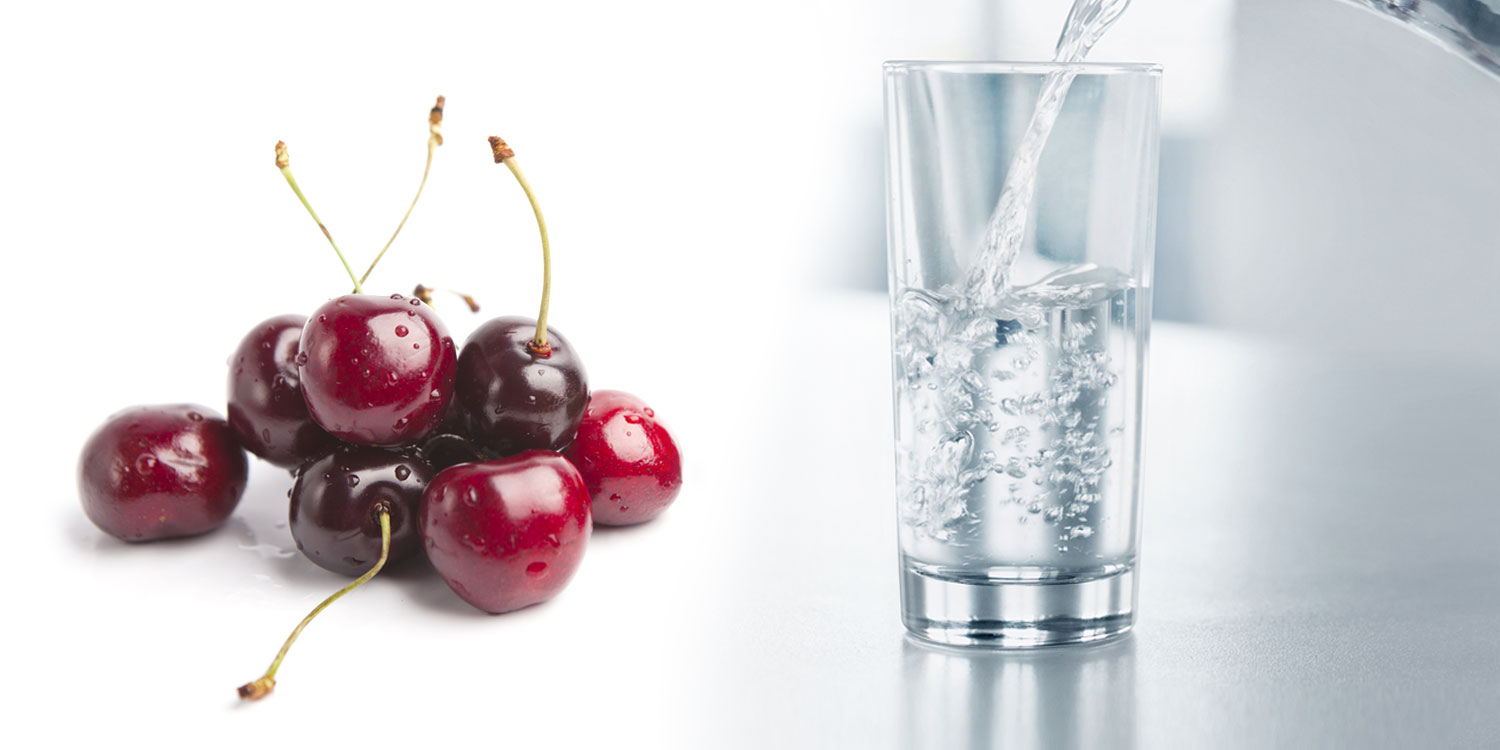
cherries and water
We host blogs from some of the leading voices in natural health and wellness. Opinions and views expressed by the author are their own, and do not necessarily represent those of Taste For Life or its editorial staff. Please contact Cheryl Myers with any questions about this content.

Gout is an incredibly painful chronic disease. I have had patients with a gout attack whose toes are so painful they cannot sleep with a sheet touching their feet.

Gout is caused by a buildup of uric acid in the blood that crystallizes in the joint, often the big toe, though ankles, wrists, fingers, and other joints can also be affected. These crystals can cause joint deformities and bumps on the skin, especially the hands and fingers. Imagine razor sharp crystals rubbing inside your joint, and you get an idea of the terrible pain and inflammation associated with this disease.

Gout tends to come in waves, starting as a throbbing pain that intensifies for a few days and then starts to subside. Gout used to be called a rich man’s disease, because red meat and alcohol contain purines that increase uric acid levels in the body. However, gout is more complicated than diet alone.

Combat Gout with Water

There are two effective natural interventions to help prevent gout attacks. The first is increasing your intake of water to at least eight 8-ounce glasses a day. Adding more water dilutes the blood and makes it less likely that uric acid will stick in the joints and crystalize. A recent study showed that increasing water intake can reduce gout attacks by as much as 50 percent. I am not aware of any prescription drug that can reduce gout attacks to this degree, and without serious side effects.

Fight Gout with Cherry

The second natural intervention is found in the cherry. This fruit contains anthocyanins, which are flavonoids that give cherries their deep red color. These compounds reduce inflammation and increase the excretion of uric acid. Cherries make the body more efficient at getting rid of excess levels of this compound, and studies have shown they can also significantly decrease the incidence of gout attacks.

What does the science say? One clinical study from 2014 looked at the effects of cherry juice on uric acid levels and inflammatory markers in healthy people. The researchers found that those who drank 30 or 60 milliliters of cherry juice for just two days had lower levels of uric acid and C-reactive protein, an inflammatory marker. Uric acid output in urine samples was increased.  Since excessive uric acid buildup triggers the excruciating pain and deformities associated with gout, getting more of it out of the body is definitely a good thing.

Natural Remedies for Gout

So should we eat the cherries, drink the juice, or take supplements? I vote for all of the above. However, eating cherries every day is not realistic for most people, and there is a lot of sugar in cherry juice. For consistent benefits, I recommend cherry fruit supplements that are standardized for anthocyanins. Freeze-drying is a good method because heat drying and extractions can damage the antioxidant value of the cherry. A good dose is 1500 to 3000 milligrams daily.

Tart or Sweet Cherry for Gout?

I am often asked: tart or sweet cherry? Quite honestly, I think all cherries offer health benefits. There is more scientific data on tart cherry, so perhaps it has a bit of an edge as far as proven effectiveness.

If you or someone you love suffers from gout, increasing water intake, eating more cherries (but not in pie!), and using a standardized cherry supplement may tremendously reduce incidences of pain and suffering. And there are side benefits as well to being well hydrated and full of healthy antioxidants from cherries.  Inflammation in other areas of the body may also subside. Skin may improve. Kidneys function better. All this contributes to a healthier you!

Contributor

Cheryl Myers

Cheryl Myers, RN, is an integrative health nurse, author, and expert on natural medicine. She is a nationally recognized speaker who has been interviewed by the New York Times, Wall Street Journal and Prevention magazine. Her articles have been published in Aesthetic Surgery Journal and Nutrition in Complementary Care, and her research on botanicals has been presented at the American College of Obstetrics and Gynecology and the North American Menopause Society. Follow Cheryl on Facebook! 

Mad About Magnesium!

By Ann Louise Gittleman, Ph.D., C.N.S.
We host blogs from some of the leading voices in natural health and wellness. Opinions and views expressed by the author are their own, and do not necessarily represent those of Taste For Life or its editorial staff. Please contact Ann Louise Gittleman, Ph.D., C.N.S. with any questions about this content.

Magnesium is to minerals what vitamin D is to vitamins. As the “master mineral” and superstar of over 300 key metabolic functions, it reigns supreme in the mineral kingdom.

However, not all magnesium supplements are created equal.

If high blood pressure, leg cramps, migraines, anxiety, irritability, depression, heart disease, unstable blood sugar or insomnia are still challenging your well-being, read on…

As the premiere heart mineral, magnesium is absolutely key for cardiovascular health. In fact, one study states that magnesium should be available for immediate use in all emergency departments. It is so important that many doctors and surgeons administer magnesium prior to some heart surgeries.

Magnesium’s benefits for heart palpitations can reduce the occurrence of many life threatening situations. However, up to 92% of hospitalized patients don’t have their magnesium levels tested—this is a big concern considering that as many as 80% of patients in the ICU are considered magnesium deficient!

Studies dating back 100 years confirm magnesium’s star power. Not only is this magnificent mineral essential for major metabolic functions, magnesium is also the ONLY mineral linked to all of today’s “Fearsome Foursome”—cancer, stroke, diabetes and heart disease.

Another surprising research finding shows that low magnesium (not just calcium) can lead to low vitamin D. Because low magnesium levels create resistance to some of the effects of vitamin D, many individuals taking vitamin D may not be reaping the true benefits! Individuals over 50 are especially at risk as most aren’t reaching the USDA’s daily average intake, let alone the Vitamin D Council’s suggestion of 5,000 IU/day for adults.

So why are up to 80% of Americans STILL magnesium deficient?

Your body requires around 500 to 1,000mg of magnesium a day, whereas in reality most of us only get one half of that and lose it as fast as we can.

Today, Americans depend upon magnesium to reduce depression, frequent nocturnal awakenings, food cravings, and of course, blood sugar stabilization. Even more of us are eating healthier (think green smoothies, almonds, and sea veggies) which happen to be exceedingly rich sources of dietary magnesium.

By now you may also be supplementing with this miracle molecule, but chances are you’re missing out because the type of magnesium supplement you’re taking cannot get to the right places.

How are we losing it?

First off, magnesium is a primo detox mineral. It is used up minute-by-minute to counteract stressors like food allergies and intolerances, prescription drugs, and exposure to heavy metals—especially aluminum. It also prevents kidney stone formation and even ADHD (Attention Deficit/Hyperactivity Disorder).

Given our busier than ever lifestyles, the body’s main use of magnesium is simply dealing with mental and physical stress. This adaptogenic mineral is being used up faster than we can possibly take it in.

Inefficient magnesium supplements with non-ideal co-factors combined with escalating environmental assaults are leaving nearly 100% of us magnesium starved. Symptoms of magnesium deficiency range from facial twitches, to Alzheimer’s, blood clots, chronic fatigue and osteoporosis.

Unfortunately, the most popular co-factors found in magnesium supplements—oxide and citrate—function as laxatives that primarily target the GI tract.

To support stressed hearts and overworked brains, new research reveals most Americans may need more optimized magnesium cofactors. This is where carriers such as glycinate and taurinate come into play targeting specific organs not supported by standard magnesium supplements. [best magnesium supplement]

In addition, magnesium malate and orotate are gaining steam for their ability to soothe and calm tight muscles, while significantly improving stamina and long term energy throughout the day.

The Magnesium Cofactor Must Haves

Glycinate, Malate, Taurinate and Orotate are the best forms of magnesium for head-to-toe optimal health. They are more effectively absorbed to support organ systems and bodily functions than any other forms.

  • Magnesium Glycinate – For Your Mind

    • Controls anxiety, irritability, insomnia, concentration and hysteria
    • Minimizes laxative effects and is the least likely form to induce diarrhea
    • Corrects long term deficiencies
    • Reduces numbness, crying and depression
    • Increases mental calmness and relaxation
  • Magnesium Taurinate – For Your Heart

    • Supports healthy heart function
    • Prevents migraines
    • Suppresses heart palpitations and arrhythmias
  • Magnesium Malate – For Your Muscles

    • Treats fibromyalgia
    • Calms muscle fatigue
    • Manages PMS, and headaches
    • Supports digestion (so take with meals)
    • Increases energy production
  • Magnesium Orotate – For Your Body

    • Enhances athletic performance
    • Boosts DNA formation and heart repair and function

Besides taking a magnesium supplement with particular cofactors, it is also extremely important that a comprehensive magnesium supplement contains vitamin B6 (especially in the activated Pyridoxal 5 Phosphate targeted form). B6 determines how much magnesium will be absorbed by the cells in the first place.

Magnesium Sources in Food

Of course, diet remains the best supply of any mineral including magnesium. Here’s a list of the best sources to shore up your magnesium stores:

Food Magnesium
16 oz. Coffee 14mg
1 cup Spinach 24mg
14 Seaweed (kelp) 24mg
1 oz. Dark Chocolate 41mg
1 cup Swiss chard 29mg
20 Cooked Clams 34mg
12 cup Almonds 191mg
1 cup Kale 31mg
12 cup Tofu 37mg
12 cup Cashews 200mg
1 cup Collards 10mg
2 Eggs 5mg
14 cup Pumpkin Seeds 42mg
12 cup Beets 15mg
12 cup Lima 40mg
14 cup Pistachios 37mg
12 cup Mustard Greens 9mg
14 cup Cilantro 1mg
1 cup Buckwheat 393mg
12 cup Dried Apricots 21mg
1 tbsp Dill Weed 14mg
1 cup Brown Wild Rice 84mg
1 Bananas 32mg
1 tbsp Ground Sage 9mg
1 cup Oatmeal 61mg
12 cup Dried Figs 50mg
2 tbsp Fresh Basil 3mg

Also keep in mind that there additional methods of absorption including transdermal magnesium chloride oil spray, and of course epsom salt baths (magnesium sulfate).

Magnesium Deficiency Testing

The best assessment of magnesium levels is by far the Magnesium Red Blood Cell Blood Test aka MagRBC blood test. It provides a more accurate indication of magnesium deficiency than a regular blood serum test can offer, since an RBC test evaluates your intracellular magnesium where magnesium lives.

Contributor

Ann Louise Gittleman, Ph.D., C.N.S.

Ann Louise Gittleman, PhD, is a New York Times award-winning author of 30 books on detox, health, and healing, including the international bestselling Fat Flush Plan and Zapped! Visit her blog and join her online Fat Flush Community.

Understanding IBS

By Jane Eklund

Irritable Bowel Syndrome (IBS) is common, affecting roughly 7 to 20 percent of the US population, including twice as many women as men.

Forms of IBS

IBS comes in four types:

  • IBS-D

    IBS-D, or IBS with diarrhea, is the most common subtype. Its symptoms include abdominal discomfort, pain or cramps in the stomach, gas, and diarrhea: regular loose stools and urgency to move the bowels.

  • IBS-C

    IBS-C, or IBS with constipation, produces abdominal discomfort, pain and bloating, and constipation: straining and difficulty in moving the bowels, infrequent bowel movements, and hard stools.

  • IBS-M

    IBS-M, or IBS with mixed symptoms—sometimes referred to as IBS-A, for alternating—produces symptoms of both IBS-D and IBS-C.

    People with IBS-M swing back and forth from diarrhea to constipation.

  • IBS-U

    IBS-U, or undefined IBS, produces variable symptoms. Stool consistency does not meet the criteria for the other types of IBS.

Managing IBS Symptoms

IBS has no cure, but the condition is not life-threatening. Symptom management can involve lifestyle changes, stress reduction, and diet adjustments.

Diet

IBS sufferers can get relief from avoiding foods that can trigger intestinal distress. Those include:

  • Milk
  • High-fructose fruits like apples, pears, and dried fruits
  • Processed foods containing high-fructose corn syrup
  • Carbonated drinks
  • Caffeine
  • Sugar-free chewing gum
  • Beans
  • Cruciferous vegetables like broccoli and Brussels sprouts
  • Wheat
  • Red peppers and green onions
  • Red wine
  • Nutritional and weight-loss supplements

Foods affect different people differently. If you’re not sure what your triggers are, try writing down what you eat so you can pinpoint the cause of a flare-up.

Some people find relief through the low-FODMAP diet, which eliminates certain carbohydrates that can be irritating. If you decide to follow a low-FODMAP diet, you can still eat foods like rice, potatoes, quinoa, wheat-free bread, lactose-free dairy products, fish, eggs, chicken, beef, and certain fruits and veggies.

One recent study found that 71 percent of people with IBS who followed a low-carbohydrate, high-fat diet that allowed foods such as pork, beef, chicken, eggs, fish, cheese, yogurt, veggies, berries, and nuts experienced significant reductions in IBS symptoms. 

A nutritionist or dietitian with IBS experience can help sort through all this.

Lifestyle

Emotional stress can set off IBS as well. Exercise, deep breathing, yoga, a soothing cup of tea—cultivate relaxation methods to keep anxiety at bay.

Supplements

Some supplements have been shown to be helpful. Here’s what the research shows:

  • Probiotics

    Scientists are studying probiotics as a treatment for IBS and other GI disorders with similar symptoms, as an imbalance in the gut microbiota could be a cause of symptoms brought on by IBS.

    For instance, a 2019 study of patients with celiac disease who had IBS-type symptoms despite following a gluten-free diet found that those given probiotics for six weeks had a significant decrease in symptoms compared to the placebo group.

    A scientific review suggested that combining probiotic and prebiotic supplementation with the low FODMAP diet could have promise for management of IBS.

    While both treatments have been effective for some people with the condition, the probiotics and prebiotics would serve to counter the drop in Bifidobacteria caused by the FODMAP diet.

  • Boswellia Extract

    Several people with IBS but no other conditions were assigned to treatment groups for four weeks.

    • People in one group were given hyoscine butylbromide, a medication used to treat cramps.
    • Those in the second group were given papaverine hydrochloride, which is a vasodilator, plus belladonna extract.
    • Those in the third group were given supplements of boswellia extract (250 milligrams per day).

    Symptoms improved in all groups. The number of people who needed medical attention for IBS decreased significantly in the boswellia group only.

  • Peppermint Oil

    Scientists analyzed 12 randomized studies including 835 patients to determine the effect of peppermint oil as a treatment of IBS. They found that peppermint oil is safe and effective in treating pain and other symptoms in adults with IBS.

Talk to Your Doctor

If you don’t have a diagnosis but think you may have IBS, talk with your healthcare practitioner. Other conditions can create similar symptoms, so you’ll want to rule them out.

Also, medication is available for people who need additional help managing the symptoms. Your healthcare provider will help you determine which of the four types of IBS you have, as the medication prescribed varies depending on type.

Altered gastrointestinal microbiota in irritable bowel syndrome and its modification by diet: Probiotics, prebiotics and the low FODMAP diet” by Heidi M. Staudacher and Kevin Whelan, Proceedings of the Nutrition Society, 2/24/16

Clinical and microbiological effect of a multispecies probiotic supplementation in celiac patients with persistent IBS-type symptoms: A randomized, double-blind, placebo-controlled, multicenter trial” by R. Francavilla et al., Journal of Clinical Gastroenterology, 3/19

"Dietary interventions should be first-line treatment for IBS," www.garstroendonews.com, 7/19/23

"Effect of a low FODMAP diet in irritable bowel syndrome: systematic review and network meta-analysis" by C.J. Black et al., Gut, 6/22

The impact of peppermint oil on the irritable bowel syndrome: A meta-analysis of the pooled clinical data” by N. Alammar et al., BMC Complementary Alternative Medicine and Therapies, 2019

Supplementation with a lecithin-based delivery form of Boswellia serrata extract (Casperome) controls symptoms of mild irritable bowel syndrome” by G. Balcaro et al., European Review for Medical and Pharmacological Sciences, 5/17

Understanding the 4 types of irritable bowel syndrome: IBS-C, IBS-D, IBS-M/A and IBS-U,” www.medicine.com, 2/5/21

Contributor

Jane Eklund

Jane has a rich, diverse background in both literary and journalistic writing, including book reviews, poetry, and history.

Heat Things Up!

Herbal Remedies That Can Boost Libido

By Maria Noël Groves, RH (AHG)

February is the month to celebrate or rekindle the fire and sensuality in your relationship.

Sex drive is highly individual, but when your health or life is out of balance, libido easily wanes.

Natural Libido Supplements

If you’re hoping to warm things up in the bedroom, here are some herbal allies to consider.

Blood Flow and Pleasure

The most well-researched and most commonly known herbal aphrodisiacs are those that address climax and the ability to achieve and maintain an erection.

All of these herbs have benefits in all genders. Penile and clitoral tissues are closely related, made from similar tissues, rich in nerve endings, and benefit from blood flow and the right balance of stress and sex hormones including testosterone.

Erectile dysfunction can be an early warning sign for cardiovascular disease and inadequate blood flow–definitely schedule a cardiovascular workup with your doctor.

Heart tonics and blood-moving herbs play double duty as aphrodisiacs. These include garlic, turmeric, rosemary, ginger, hawthorn berry, leaf and flower, and just the right hit of cayenne. Ginkgo, better known for enhancing cognition by improving microcirculation, also shows some promise.

Sometimes these herbs light the fire on their own, but they’re also nice companions and synergists in formulas with the herbs mentioned below.

Traditional libido herbs such as muira puama bark seem to warm the area while enhancing sexual vitality in all genders.

Additional classic libido herbs that likely work across a range of actions include epimedium (also known as horny goat weed) and tribulus, which is somewhat more stimulating and may support testosterone as well as perimenopausal hormone wobbles. They blend nicely with adaptogens and other libido-supportive herbs.

Stress Reduction

Stress directly inhibits libido and sexual function, particularly in feminine genders.

Damiana flower from Mexico relaxes and uplifts the nervous system while promoting hormonal balance of estrogen, progesterone, and testosterone in all genders. It’s a classic libido herb that’s particularly useful when stress and anxiety get in the way of having a good time.

Additional relaxing herbs, though less libido specific, may be helpful including regular use of milky oat seed extract or oat straw decoction, and as-needed passionflower, lemon balm, kava, and/or skullcap.

Herbal Help for Dry Tissue

As we age, and particularly in menopause, tissues become dry and sensitive (not in a good way).

Shatavari root’s moniker is for the “woman with 100 husbands” because it supports estrogen balance, offers gentle adaptogenic action, and has moistening qualities throughout the body, including promoting the release of cervical mucus.

Many high quality and natural lubricants are also on the market, which can greatly enhance the experience.

Hormonal Balance

Many adaptogens and longevity tonics have a long-held reputation for virility and vitality, likely by supporting healthy sex and stress hormone balance.

Ginseng (particularly Asian red ginseng) is well-studied for erectile dysfunction, general, libido, and fertility. Due to sustainability issues and rampant adulteration, seek organically cultivated, woods-grown ginseng from reputable companies.

Ashwagandha is a more sustainable alternative, well tolerated by most, gently supporting testosterone and libido in all genders, improving mood, easing stress, and enhancing fertility.

Maca may also provide general support as a nutritious, adaptogenic, and gently libido-enhancing herb. It tends to be particularly useful in menopause and andropause to promote hormone balance and uplift the mood.

Menopausal libido issues may be helped by herbs like hops, fenugreek, and others already mentioned such as tribulus, epimedium, muira puama, shatavari, and ashwagandha.

Choosing Quality Libido Supplements

Unfortunately, the libido supplement industry is one of our worst for dangerous adulteration, unsafe formulas, and unsubstantiated claims.

  • Seek libido herbs from companies you already trust.
  • Consider creating your own routines from single herb products.
  • Always double-check herb-drug interactions and contraindications.
  • Yohimbe is found in many libido supplements, and while it does have “herbal Viagra”-like actions, it’s also quite dangerous and not generally recommended.

The Big Picture of Experiencing Low Libido

Keep in mind that libido is the “canary in a coal mine” for various states of imbalance. This includes pharmaceutical side effects, diseases, stress, relationship issues, mental well-being and trauma, nutrient deficiencies.

In addition to herbs, consider your root causes of low libido and do your best to address them directly, talking with your partner if you have one, and enlisting the aid of a professional if necessary.

Adaptogens by David Winston with Steven Maimes ($19.99, Healing Arts Press, 2019)

Adaptogens in Medical Herbalism by Donald R. Yance ($50, Healing Arts Press, 2013)

Botanical Medicine for Women’s Health, 2nd edition, by Aviva Romm ($73.95, Churchill Livingstone)

“A double-blind, randomized, pilot dose-finding study of maca root (L. meyenii) for the management of SSRI-induced sexual dysfunction” by C.M. Dording et al., CNS Neuroscience & Therapeutics, 2008

“Efficacy and safety of ashwagandha (Withania somnifera) root extract in improving sexual function in women...” by D.S. Langade at al., Biomed Research International, 10/15

“Herbs and erectile disfunction: A review of traditional use and modern clinical evidence” by L. Woolven and T. Snider, HerbalGram, 2013, American Botanical Council

The Male Herbal, 2nd Edition, by James Green ($16.99, Crossing Press, 2007)

“Subjective effects of Lepidium meyenii (maca) extract on well-being and sexual performances in patients with mild erectile dysfunction” by Z.T. Cicero et al., Andrologia, 4/09

Contributor

Health Tips for Men in their 30s, 40s, 50s & Beyond

By Carol Ferguson

Common Men's Health Issues

In 1920, women lived a year longer than men, on average. Today that difference is more than five years in favor of females.

Why? Males are less likely to follow preventive health measures and are more likely to engage in risky behavior than females.

The good news is it’s easy to improve men’s health with simple lifestyle changes.

  • Excess Weight

    More than 60 percent of adult men in the United States are overweight. “If you’re a man, you can’t be healthy and overweight at the same time,” says Frank Shallenberger, MD, HMD. This may help explain why men die younger of cancer, diabetes, heart disease, stroke and other causes than women.

  • Vitamin and Mineral Deficiency

    “Most active, productive men need a good supplement program to protect them from illness and deficiency symptoms and increase their longevity by reducing chronic degenerative disease patterns,” says integrative physician Elson M. Haas, MD.

  • Excess Iron

    In general, guys need more magnesium and B vitamins than women—but less iron. More common than iron deficiency (especially among males), iron excess can lead to chronic fatigue, depression, heart irregularity, joint pain, and other health problems.

Health at Different Life Stages

Here are some specific suggestions for men at different ages and stages.

The 30s

At 34, Adam has it all: a wife, baby, mortgage, and an exciting job—everything except the energy to enjoy life. A former cyclist, he gets winded on the exercise bike at the company gym the few times he actually gets there.

“No wonder I’m starting to get a gut,” he says, “and I weigh more than I ever did.”

  • Monitor Heart Health

    Stamina peaks for most males in their early 30s, as does the body’s ability to extract oxygen from the bloodstream. But this is also the age when blood pressure and cholesterol start to rise, so a thorough checkup is an important first step.

  • Maintain a Healthy Weight

    Don’t feel as though you have to clean your plate.

    Invest in a jogging stroller for your baby, and exercise at least three times a week.

  • Consider Supplements

    An antioxidant involved in energy production at the cellular level, coenzyme Q10 (CoQ10) tends to be low in overweight people, so try supplementation.

    Fairly sedentary people find D-ribose (a five-carbon sugar that’s a structural component of DNA and RNA) gives them an energy boost and helps stave off sore, stiff muscles.

The 40s

At 46, Jonathan feels as though he’s at the top of his game—except on the racquetball court. His shoulder and elbow slow him down, if the pain doesn’t prevent him from playing.

He’s also showing signs of periodontal disease, and his dental hygienist has suggested coming in for more frequent cleanings.

  • Check for Inflammation

    A factor in both joint pain and gum disease, inflammation can also lead to cardiovascular problems, explaining why half the heart attacks and strokes in the U.S. occur in people with normal cholesterol levels. If you haven’t had a C-reactive protein (CRP) test, do so right away to measure inflammation.

  • Mind Your Nutrients

    Follow the Mediterranean diet high in fruits and vegetables, omega-3-rich fish, and a little olive oil, enjoying four or five small meals instead of three big ones.

    Garlic and ginger are anti-inflammatory herbs that taste great and can be taken as supplements.

    Make sure you’re getting plenty of antioxidant vitamins C and E in your daily diet and multivitamin/mineral, and consider a fish oil supplement with at least 500 mg EPA and DHA.

  • Exercise Regularly

    Walk briskly for 30 to 60 minutes five times a week.

  • Consider Supplements

    If joint pain continues, try avocado/soybean unsaponifiables, bromelain between meals, glucosamine/chondroitin (for at least three months), MSM, and/or turmeric.

The 50s & Beyond

At 58, Steve has several complaints, “some are pretty minor like dry mouth, and others are more worrisome like having to urinate much more often—especially in the middle of night.”

He’s noticing some hearing loss, but what worries him the most is forgetfulness.

“My mother has dementia. Half the time I visit her, she doesn’t remember me or even where she is. Nobody looks forward to that kind of old age.”

  • Stay Hydrated

    From 57 to 86, the body literally begins to dry up: Drink more water, even if it means more trips to the bathroom.

    “One of the problems with aging is that thirst decreases with age, so people tend to drink less,” says Wojtek Chodzko-Zajko, PhD, head of kinesiology at the University of Illinois.

  • Monitor Prostate Health

    About half of all American men over 50 have an enlarged prostate, which presses on the urethra and causes frequent urination.

    Also called benign prostatic hyperplasia (BPH), this condition needs be monitored annually by a healthcare provider. Although BPH doesn’t necessarily lead to cancer, it can make a tumor tougher to spot.

    If you’re overweight, losing pounds may help lessen symptoms.

    Saw palmetto is as effective as mainstream medicine for this condition, and pygeum is also promising.

  • Maintain Cognition

    Ginkgo helps fight senility and hearing problems. A popular Indian herb, gotu kola works to stimulate the brain, strengthening memory and mental ability.

  • Take Vitamins and Minerals

    It’s also important to take “an easy-to-digest, well-balanced vitamin and mineral formula for nutritional insurance,” says Dr. Haas.

“An Assessment of the Diagnosed Prevalence of Diseases in Men 50 Years of Age or Older” by M. M. Issa et al., Am J Manag Care, 3/06

“Associations Between Diabetes and Clinical Markers of Benign Prostatic Hyperplasia Among . . . Black and White Men” by A. V. Sarma et al., Diabetes Care, 3/08

“Blueprint for Men’s Health: A Guide to a Healthy Lifestyle” by Armin Brott and the Blueprint for Men’s Health Advisory Board, www.menshealthnetwork.org

“Body Composition and Serum Prostate-Specific Antigen: Review and Findings From Flint Men’s Health Study” by J. L. Beebe-Dimmer et al., Urology, 4/08

“Body Weight and Weight Change in Relation to Blood Pressure in Normotensive Men” by G. Yang et al., J Hum Hypertens, 1/07

Bursting with Energy by Frank Shallenberger, MD, HMD

“Intake of Fish Oil, Oleic Acid, Folic Acid, and Vitamin B6 and E for One Year . . . Reduces Coronary Heart Disease Risk Factors in Male Patients . . .” by J. J. Carrero et al., J Nutr, 2/07

“Men’s Health: Keys to a Healthy Life,” www.medicinenet.com, 2008

“Masculinity and Perceived Normative Health Behaviors as Predictors of Men’s Health Behaviors” by J. R. Mahalik et al., Soc Sci Med, 6/07

The Sinatra Solution: Metabolic Cardiology by Stephen T. Sinatra, MD, FACC, FACN, CNS

Staying Healthy with Nutrition by Elson M. Haas, MD, with Buck Levin, PhD, RD

Supplement Your Prescription: What Your Doctor Doesn’t Know About Nutrition by Hyla Cass, MD

“Wellness Guide to BPH,” UCBerkeley Wellness Letter, 5/08

Contributor

Carol Ferguson

Don't Miss a Thing!


Get the latest articles, recipes, and more, when you sign up for the tasteforlife.com newsletter.

Hot Product