How to Tame Your Zombie Cells

Strengthen Immunity and Dampen Inflammation

By Greg Macpherson

Zombies are the stuff of legend, living dead that, depending on which movie you watch, are coming for everyone. We all have “zombie” cells in our bodies that make their presence known as we age. Zombie cells have become a popular way to describe something called cellular senescence because these cells act much like the zombies of our nightmares.

What Are Zombie Cells?

Senescent cells have stopped dividing and are waiting to be removed from our body by the immune system. These cells are useful when we are young. They allow our body to put the brakes on cells that are either not working properly, are potentially cancerous, have finished a specific job (like scar formation as part of the healing process), or have reached the end of their useful life.

Senescent cells get their zombie name tag because they remain in our body in a state of suspended animation, secreting chemical messages that alert our immune system they need to be removed. When we are young, our immune system handles this job like a boss, but it falters as we age, maybe because it’s getting tired or because the increasing numbers of these cells start to overwhelm it.

Effects of Zombie Cells

  • Inflammation

    As senescent cells start to build up, the chemical messages they are secreting cause negative effects on the cells around them. The chemical messages trigger inflammation, and these zombie cells may be the reason we see the increasing levels of inflammation that occur with older age.

  • Disease

    Ongoing low-grade inflammation triggers processes that can lead to disease. Laboratory studies show even a few senescent cells can accelerate aging, or at least the symptoms of aging, like cancer and other diseases. Even the more aesthetic side effects of aging, including the graying of hair, worsening vision, and skin wrinkles, have been linked to cellular senescence.

  • Immunity

    Laboratory research also suggests that a high senescent cell burden is the reason older individuals react so severely to COVID-19, and that treatment with fisetin, a natural senolytic, may improve immune response to COVID. This insight is now the subject of a clinical trial by the Mayo Clinic to see if the improved response can be replicated in humans.

Treatment for Zombie Cells

Once researchers realized having senescent cells in our body is not particularly good for us and that we have increasing levels of them as we age, they started looking for ways to remove them. Luckily for us, it turns out that killing zombie cells may be easier than knocking off those zombies of the horror story kind.

Scientists have found some simple strategies to limit the number of these cells in our body. These strategies include: regular exercise; a regular program of fasting—missing breakfast from time to time is good, missing breakfast and lunch occasionally is even better; maintaining a healthy weight (fat tissue seems to be a magnet for senescent cells); and taking cellular health supplements such as senolytic complex.

These actions can work together to help you keep your inner zombie at bay and may help reduce the risk associated with high levels of senescent cells in your body, especially as you age.

“Fisetin for COVID-19 in skilled nursing facilities: Senolytic trials in the COVID era” by B.P. Verdoorn et al., Journal of the American Geriatrics Society, 8/10/21

“Senescence and cancer: A review of clinical implications of senescence and senotherapies” by L. Wyld et al., Cancers, 7/31/20

“Senescence in health and disease” by S. He and N.E. Sharpless, Cell, 6/1/17

“Senolytics reduce coronavirus-related mortality in old mice” by C.D. Camell et al., Science, 7/16/21

Contributor

How Often Should You Poop?

Improve your bowel habits

By Pamela Bump
a confused alarm clock going off over a toilet
Illustration 36248290 © Amphetamine500mg | Dreamstime.com, Illustration 160216847 / Clock © Vladislav Lukyanov | Dreamstime.com, Composite by Mark Wallace for Taste For Life

Each day, our lives are getting busier and busier.

If it hasn’t happened already, you’ll likely run into a time where you feel too busy to sit down and take a poop.

Unfortunately, as our calendars continue to fill up with meetings and personal obligations, we also run the risk of clogging up our digestive systems.

That’s why one of your number one priorities should be making time for “number two.”

But how often should you poop? We’ll explain below.

How Often Should You Poop?

According to a 2019 U.S. News report, a healthy person will usually poop at least once every three days, depending on their digestive system and diet. However, some healthy people could poop up to three times per day. 

Although the number of movements per week or day can vary from person to person, there is such a thing as not pooping enough or pooping too much. 

Here are a few quick guidelines to keep in mind.

You Should Poop at Least 2 Times Per Week

Not pooping enough could result in stools getting stuck in your digestive system where they can harden, cause bloating, or lead to constipation and painful bowel movements. Additionally, doctors report that regularly holding in poop could cause more serious issues like a stretched colon, fecal impaction, or buildup that will require medication or laxatives to clear.

If you can’t poop for more than three days, this is usually a sign of constipation and a need for more fiber or digestive nutrients in your diet.

...But No More Than Three Times Per Day

While some people do have up to three poops per day, you shouldn’t force your body to have movements if you don’t share the same schedule. Pushing too much or forcing bowel movements can overexert your digestive system and cause tearing, swelling. hemorrhoids, or other medical issues.

Additionally, if you can’t help pooping more than three times per day, and your poop seems watery or misshapen, it’s likely a sign of diarrhea or illness.

Tips for Maintaining a Healthy Schedule

  • Listen to Your Body

    If your body is telling you to go poop, try to get to the restroom as soon as you can. If you do miss your window, be sure to act promptly when you feel your next bowel movement.

    This will not only allow you to clean out your system on schedule, but it will also help prevent constipation or further digestive troubles.

  • Don’t Force It

    Sometimes, your body might not be ready to clear your system. Or, you might feel a bit constipated. While you can sit for a few minutes to see if a bowel movement comes, don’t strain yourself trying to push.

    Instead, consider a laxative, more fiber, healthy supplements, or a call to the doctor if you worry you aren’t using the bathroom enough.

  • Maintain a Healthy Diet

    Not only will a healthy diet help you create a perfect, snake-shaped poop, but it will also help your digestive system run on a healthy schedule.

    Be sure to snack on foods that are high in fiber, fermented, or low in saturated fats.

  • Drink Enough Water

    Assuming your healthy diet is rich in fiber, you can get the most from it by drinking plenty of water and other liquids. That will help keep stool soft and easy to pass.

    Good hydration (at least four to six cups of plain water every day) also can keep constipation at bay.

  • Exercise Regularly

    Research shows that light physical activity and staying in shape can make bowel movements easier and healthier. This is because healthier digestive muscles require less blood and force to move waste down the bowels.

    However, doctors do warn that strenuous exercise, or working out too soon after eating, should be avoided as this can slow the process of digestion.

    Similarly, working out after you’ve cleaned out your system can have you feeling weak or tired due to dehydration or less food in your stomach.

“Constipation” by Mayo Clinic Staff, Mayo Clinic, 2020

“How Exercise Affects Your Digestion” Manhattan Gastroenterology, 2020

“How Often Should I Poop, and Other Toilet Topics” by Laura McMullen and Lisa Esposito, U.S. News, 6/10/19

“How Bad Is It to Hold in Your Poop?” by Alyssa Girdwain, vice.com, 2020

“8 ways to get constipation relief” by J. Restivo, Harvard Health Publishing, Harvard Health Publishing, 8/10/23

Further Reading

Want to learn more about stool health? Check out this article, and our handy list of digestive tips.

Contributor

Pamela Bump

Pamela is the Audience Growth Manager for the HubSpot Blog and holds an M.S. in Media Ventures from Boston University. Before HubSpot, she was Taste for Life’s first Web Editor & Social Media Expert and Harvard Business Review’s first Growth Editor.  In her roles, she’s managed content strategy, social media, and audience growth tactics.

Although her career is focused on digital marketing and editorial innovation, she continues to write for TFL to quench her thirst for food blogging and health journalism.

The Hidden Dangers in Clothing

Fight water pollution from microplastics.

By Nan Fornal
laundry in a front-loading washing machine

After World War II, life in the average US household became easier as waves of new inventions saved time and labor. By the mid 1950s laundry was no longer a multistep task for many people, thanks to wash-and-wear fabrics made from new synthetics including polyester.

The Problem with Microplastics in Synthetic Fabrics

Not having to iron clothes comes at a cost, though, in the form of the microplastics that run out of the washing machine and right into the water supply when synthetic fabrics are laundered. “We’re drinking our clothes,” said biochemical researcher Kevin Dervishi, a PhD candidate at Harvard Medical School.

Microplastic particles in water samples may be the result of plastic bags, water bottles, and other debris breaking down, said Dervishi, “but they can also be shed from clothes thrown in the washer.”

Microplastics shed in the laundry are too small to be trapped by water treatment plants, and they “work their way up the marine food chain from small fish to us,” said Olivia Rosane on the website EcoWatch.

Fish and shellfish samples in California and Indonesia now contain plastic microfibers, according to the Plastic Pollution Coalition. A 2018 research project showed that more than 80 percent of tap water samples contained microplastics, close to 100 percent of which were microfibers. Sea salts and even commercially produced beer is affected.

Steps to Take to Reduce Microplastics

A regional coordinator of the Marine Debris Program of the National Oceanic and Atmospheric Administration, Caitlin Wessel said, “It would be really great if the washing machine companies would get on board and come up with a filter to trap these microfibers.”

But there are things you can do that will help.

  • Wash Lightly

    Wash synthetic clothes less frequently, in colder water, and on shorter cycles, without filling the washer too full (a tightly packed washing machine means more friction and more shedding of microfibers).

  • Dry Gently

    Hang clothes to dry, if possible, or use a dryer only on a low-temperature setting.

  • Trap Microplastics

    EcoWatch recommends new products, such as the Cora Ball and Guppyfriend, that collect microfibers in the washing machine and allow you to dispose of them properly.

  • Choose Natural Fabrics

    Forget fads: Give up buying cheap, synthetic clothes in favor of those made from natural fibers including cotton, linen, and wool. But even cotton can be treated with toxic chemicals, so look for organic fabrics.

“7 tips on how to avoid microplastics when washing your clothes,” by Natalie Kay, www.Sustainably-Chic.com, 7/30/19

“15 ways to stop microfiber pollution now,” www.PlasticPollutionCoalition.org, 3/2/17

“The microplastics crisis—You are the first responder” by Kevin Dervishi, Science in the News, https://www.harvard.edu, 9/26/19

“A no-sweat work shirt? No sweat” by Tim Teeman, www.NYTimes.com, 12/18/13

“What you can do to make your clothing ocean safe” by Olivia Rosane, www.EcoWatch.com, 9/6/18

“What you can do to make your clothing ocean safe” by Olivia Rosane, www.EcoWatch.com, 9/6/18

Contributor

Nan Fornal

Nan Fornal has experience with fiction, nonfiction, and technical publications, working closely with book and magazine publishers from first edit to final proofing. She has worked with Exeter Press, Boston magazine, and self-publishers alike.

Vitex for Women's Health

By Roy Upton, RH, DAyu

The herb Vitex is the MVP when it comes to menstrual regularity.

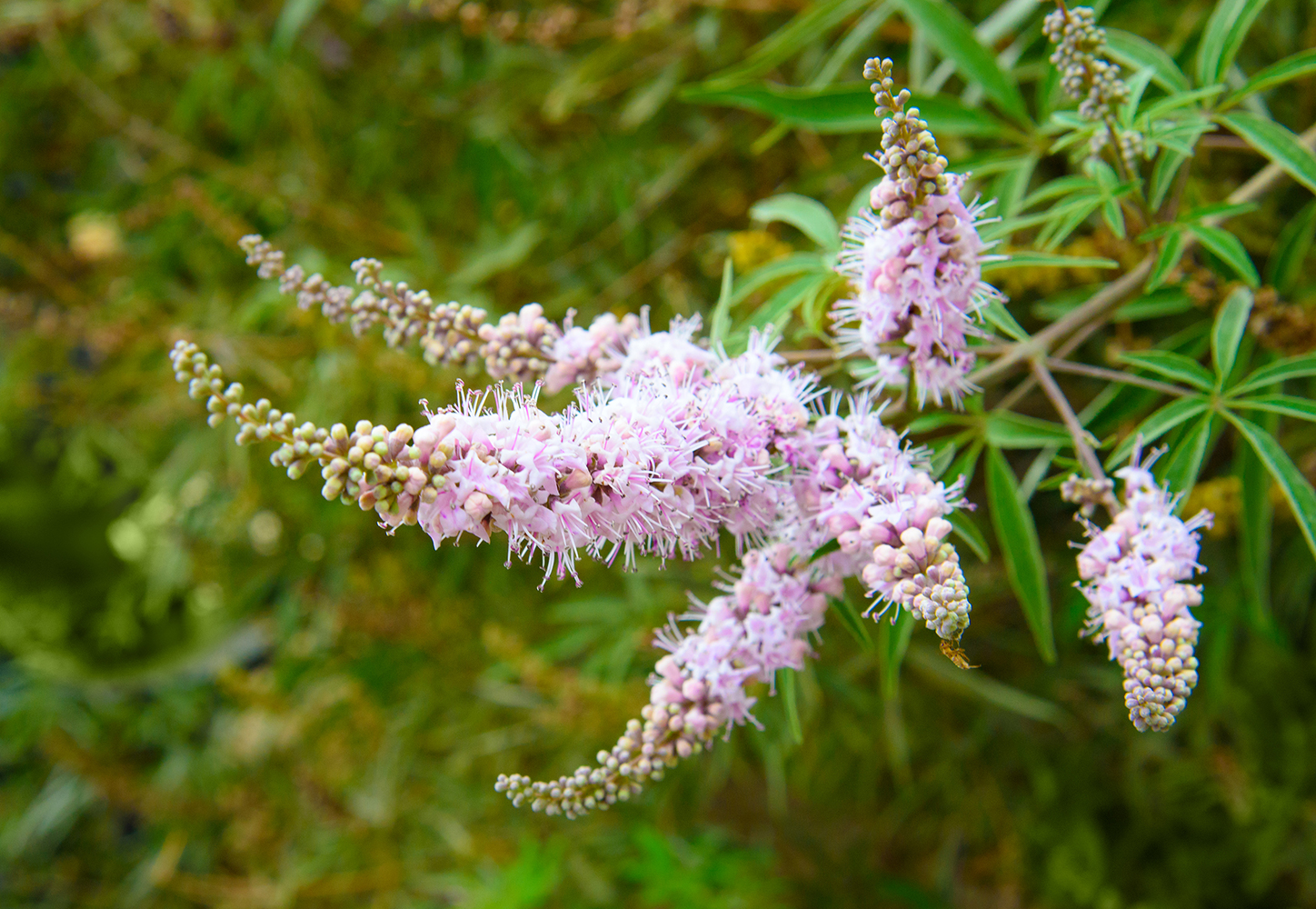
The berries of Vitex agnus-castus, or chaste tree, have been used since antiquity.

In modern times, chasteberry (also called monk’s pepper, chaste tree fruit, chaste tree berry, or, simply, vitex) has become one of the most relied-upon botanicals in Western herbal medicine for the treatment of a wide array of gynecological complaints, from infertility to menopause.

Tame PMS with Vitex

One of the primary uses of chasteberry is for the treatment of premenstrual syndrome (PMS).

Clinical studies have reported on vitex’s ability to alleviate or reduce irritability, mood alteration, anger, headache, breast fullness, restlessness, and fluid retention (edema).

In these studies, while effectiveness was assessed after three cycles, many users noticed improvements within the first cycle.

Other studies have reported the effectiveness of chasteberry in reducing anxiety, sugar cravings, depression and crying spells, lack of concentration, and breast pain.

Treat Cyclical Conditions Effectively with Vitex

  • Reduce Breast Pain

    Chasteberry is effective for the treatment of breast pain, or mastalgia. Vitex has been found to be nearly as effective as the hormone progesterone in combating premenstrual mastalgia.

    Its effects are thought to be partly the result of chasteberry’s action as an inhibitor of prolactin, the primary hormone associated with milk production in new mothers. Elevated prolactin levels may contribute to breast pain.

    Pain and swelling in the breasts, however, should be assessed by a healthcare provider to rule out other conditions

  • Menstrual Cycle Regulation

    One of the most specific uses of chasteberry is for the treatment of several menstrual irregularities: lack of menses, abnormally long menstrual cycles, abnormally frequent menses (cycles shorter than 26 days), and infertility.

    Chasteberry is the herb of choice for its ability to regulate the cyclical hormonal fluctuations that occur throughout the month, specifically a normalization of the luteal phase of the menstrual cycle and progesterone levels.

  • Menopause Relief

    In Germany, clinicians recommend chasteberry for the management of menopausal symptoms, including hot flashes, sweating, insomnia, and depression.

  • Vitex for Acne Management

    Acne is often a result of hormonal imbalance. In one study, a group of patients treated with chasteberry was reported to show a quicker healing time after six weeks. Lapses in treatment resulted in a relatively frequent recurrence of symptoms after three to six weeks.

    After three months, 70 percent of the patients who had failed to respond to prolonged conventional therapy prior to the study showed complete healing.

  • Other Uses for Vitex

    American herbalists offer chasteberry for the treatment of uterine fibroids and cysts as well as endometriosis.

    Although conventional medicine’s response to these common conditions is often to recommend partial or complete hysterectomies, many such surgeries are considered unnecessary when patients seek a second opinion.

Vitex Quality & Safety ​

Good quality chasteberries have a strong, warming taste somewhat akin to black pepper.

However, a number of vitex species used in Ayurvedic and Chinese medicine do not possess this characteristic and, therefore, may not be effective for the purposes mentioned here.

For ensuring quality, taste is really the best test. Even a small taste from your tablet, tincture, or capsule will tell you if the herbal product possesses the characteristic pungency.

Side Effects of Vitex

The mild side effects reported for chasteberry (upset stomach, acne, occasional headache, and itching) are uncommon.

Can Vitex Be Used During Pregnancy?

The Botanical Safety Handbook, a textbook reviewing the safety of botanicals, advises that chasteberry not be used in pregnancy, based on reports in the historical literature of its use for bringing on the menstrual cycle.

While there is no substantiation in the modern clinical literature regarding this effect, it is nevertheless a caution to consider following.

Similarly, the Handbook states that chasteberry may interfere with the effectiveness of oral contraceptives. However, there is also no substantiation for this in either modern studies or the experience of clinicians.

Support Woman's Health Naturally with Vitex

Given the broad range of conditions for which it is used, it is no wonder that vitex has become indispensable to US herbalists and naturopathic physicians.

Its importance is further accentuated by the fact that allopathic medicine has little to offer to women for gynecological care.

Surgery and powerful hormonal therapies—with their own sets of risks and side effects continue to be the treatments of choice for American women unfamiliar with the benefits of chasteberry.

Chaste Tree Fruit, Roy Upton, ed., American Herbal Pharmacopoeia

“Efficacy of Vitex agnus castus L. Extract Ze 440 in Patients with Premenstrual Syndrome (PMS)” by D. Berger et al., Arch Gyn Obst

“Pre-menstrual Syndrome Treatment with Agnus Castus Extract: a Randomised, Placebo-Controlled Study” by R. Shellenberg et al., Brit Med J

Contributor

Roy Upton, RH, DAyu

President of the American Herbal Pharmacopoeia, Roy Upton has been working professionally as an herbalist for almost 40 years. He is trained in Ayurvedic, Chinese, and Western herbal traditions. 

50 Ways to Love the Planet

By Jane Eklund

How to Reduce Your Environmental Footprint

Here are fifty simple ways to help keep the planet healthy.

  • Reduce Plastic Use

    1. Bring your own bags when you shop.
    2. Buy milk and juice in glass bottles.
    3. Buy pantry staples—dried beans and peas, rice, pasta, nuts, oatmeal—in bulk when possible and store them in glass containers.
    4. Use cloth napkins and nappies (as the British call diapers).
    5. Switch to bamboo toothbrushes.
    6. Replace cling wrap with beeswax wrap.
    7. Carry a reusable water bottle and a travel mug for coffee/tea.
    8. Swap out your liquid soap for old-fashioned bar soap.
    9. Ditto for shampoo.
    10. Opt for cosmetics and cosmetic supplies made and packaged without plastic. You can find lotions, creams, sunscreens, deodorants, and more in tins and glass bottles.
    11. Give up toothpaste in plastic tubes in favor of tooth-cleaning tabs or powders and pastes packaged in glass jars. Or make your own using baking soda.
    12. Make your own yogurt in glass jars.
  • Shrink Your Carbon Footprint

    1. When you eat, stick to the bottom of the food chain: Opt for fruit, vegetables, grains, and beans. Skipping just one day of meat and dairy products cuts your annual carbon footprint by eight pounds!
    2. Reduce food waste by planning meals in advance, freezing what you don’t use, and eating leftovers.
    3. Compost.
    4. When you buy clothing, stick with classic styles rather than trendy items that will soon be outdated—and land in landfills. Better yet, buy vintage at consignment shops.
    5. Set your washing machine to cold. It’ll keep 500 pounds of carbon dioxide from entering the environment each year.
    6. Think twice (or thrice) before you buy something. Do you really need it?
    7. When you do really need it, choose the option with the least packaging.
    8. Look for Energy Star certification when buying new appliances.
    9. Need a new computer? Choose a laptop over a desktop. They’re more energy efficient.
    10. Leaving the room (or the house)? Turn off the lights!
    11. Turn your water heater down to 120 and save 550 pounds of carbon dioxide a year.
    12. Take short showers under a low-flow showerhead to save another 350 pounds annually.
    13. Whenever possible, add a layer of clothing in the winter and remove one in the summer instead of turning the heat or air-conditioning up. Fans use less energy than air-conditioners too.
    14. Drive less, walk more. Or bicycle, carpool, or take the bus.
    15. Maintain your car for fuel efficiency: Keep the tires at the proper pressure, have regular oil and fluid changes, and remove extra weight for fuel efficiency.
    16. Don’t drive like a maniac! Aggressive drivers can use up to 40 percent more fuel than calm, consistent drivers, according to some studies.
    17. Combine errands to limit driving time.
    18. Avoid flying when possible—airplane travel makes up the bulk of people’s carbon footprint. When you do fly, skip the layovers.
  • Save the Trees

    1. Do buy a subscription to your local paper and other periodicals that you enjoy, but opt for digital delivery.
    2. Sign up for paperless billing.
    3. Use smart phone apps to take notes, scan documents, keep lists, and the like.
    4. Find alternatives to paper plates and cups. Bamboo and tin dishware are fun for picnics!
    5. Recycle your old T-shirts and towels into rags, and use them in place of paper towels.
    6. Feel a sneeze coming on? Reach for a cloth hankie instead of a tissue.
    7. Buy toilet tissue made from recycled paper.
    8. When you have to print something, adjust fonts and margins to use fewer sheets if possible, and print on both sides.
    9. Buy paper made from sources other than trees.
    10. Wrap gifts in cloth.
  • Green Your Garden

    1. Avoid chemical pesticides and herbicides; use natural means to keep bugs away from people and plants.
    2. Fertilize with your own compost.
    3. Collect rainwater from your roof in a rain barrel, and use it to water your plants and crops.
    4. Replace some or all of your lawn with ornamental grasses, wildflowers, or native plants.
    5. Plant a tree, or two or three. Trees purify the air and supply homes for wildlife.
    6. Use a human-powered reel mower to mow your lawn. You’ll get exercise and avoid the toxic gases made by gas-powered mowers.
  • Be an Activist

    1. Contact your representatives. If you want action on climate change and other environmental issues, let your US representatives and senators know.
    2. Lobby mainstream businesses to adopt environmentally friendly practices.
    3. Divest of funds invested in fossil fuels, and encourage any organizations you are part of to do the same.
    4. Vote! Read up on candidates’ positions on climate change, then vote for those that most align with planet-friendly values.

“30+ striking ways to use less paper to save world’s forests” www.conserve-energy-future.com

“The 35 easiest ways to reduce your carbon footprint” by Renee Cho, Columbia University Earth Institute, https://blogs.ei.columbia.edu, 12/27/18

“Earth-friendly gardening” by Pamela T. Hubbard, Penn State Extension, https://extension.psu.edu

“Life without plastic is possible. It’s just very hard” by Steven Kurutz, New York Times, 2/16/19

“What is fossil fuel divestment?” htpps://GoFossilFree.org

“Zero waste toothpaste: 9 plastic free products to sink your teeth into,” www.SustainableJungle.com

“Zero waste: Yogurt solution,” https://BabyStepsToZeroWaste.wordpress.com, 5/3/17

Contributor

Jane Eklund

Jane has a rich, diverse background in both literary and journalistic writing, including book reviews, poetry, and history.

Chronic Inflammation

Anti-Inflammatory and Pain Relief

By Roon Frost

If you’ve ever slammed your fingers in a door or had an earache, you know the pain and heat of inflammation. In response to acute infection or injury, inflammation is one of the body’s self-protective mechanisms. Blood flows to the inflamed area, causing heat and redness while helping the body to remove dangerous substances. 

When Inflammation Becomes Chronic

Sometimes, though, this kind of inflammation gets out of control, and the immune system becomes overwhelmed. Because chronic inflammation can linger for years—sometimes a lifetime—it can result in degenerative diseases.

The overwhelming amount of toxins in our environment today, as well as food allergies and dietary trends that favor proinflammatory fats over anti-inflammatory oils, puts us all at greater risk for chronic inflammation—a major contributor to fatigue, obesity, and unrelenting pain.

If you’re in pain or suspect chronic inflammation, consider a simple blood test for systemic inflammation that measures C-reactive protein (CRP). Levels above 0.20 mg/dL require action to quench inflammation.

Two major investigations (the Physician’s Health Study and the Women’s Health Study) show that people with the highest CRP levels have three times the risk for heart attack and twice the risk for stroke than those with normal CRP levels.

Unfortunately, chronic inflammation can also occur without acute symptoms.

Omegas to the Rescue!

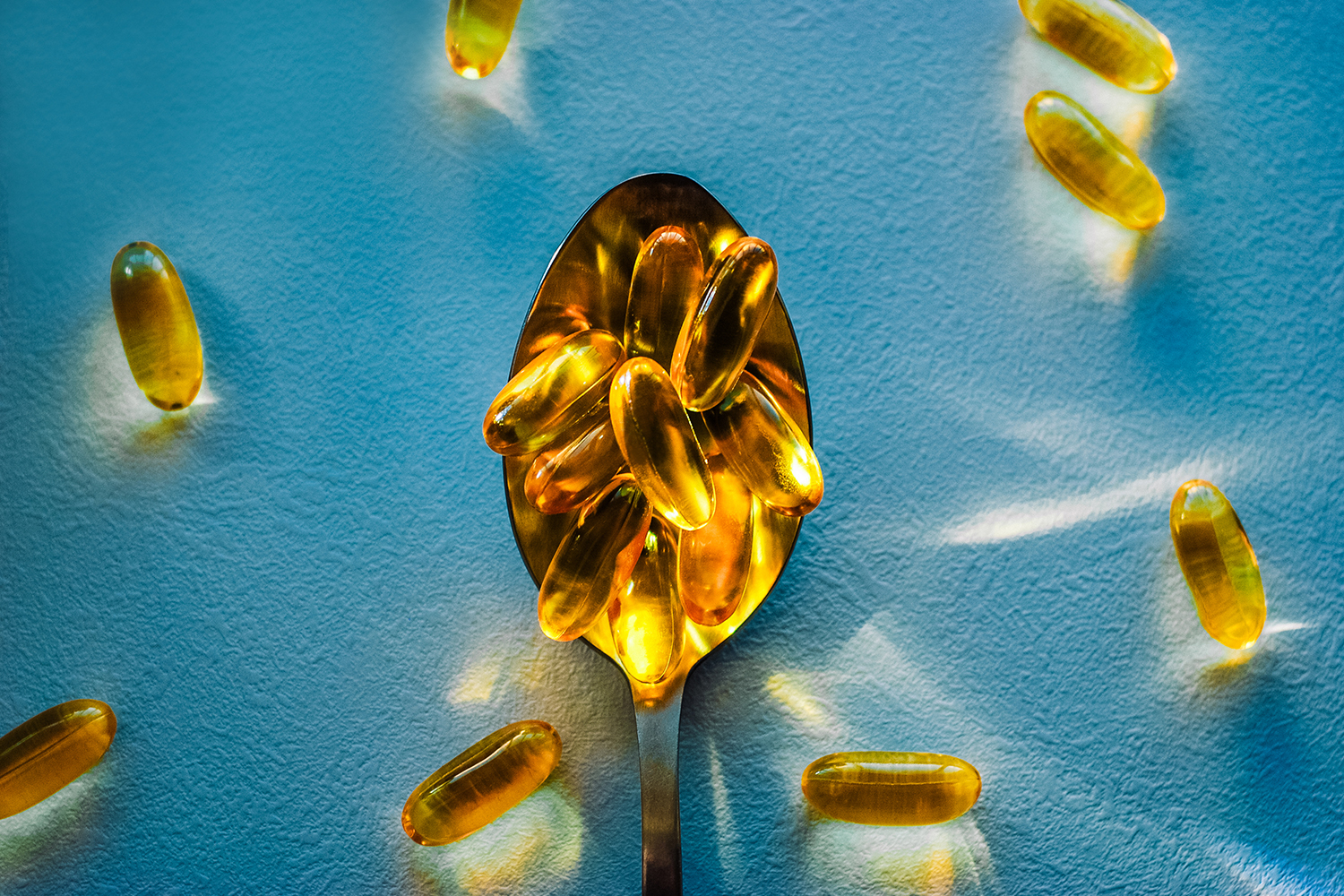
Omega-3 fatty acids support the immune system. “Those from fish oil—eicosapentaenoic acid (EPA) and docosahexaenoic acid (DHA)—are the most biologically potent,” finds Nancy Appleton, PhD, author of Stopping Inflammation: Relieving the Cause of Degenerative Diseases. “Once you have found and stopped the cause of inflammation, omega-3 fatty acids can be beneficial in the healing process.”

Dosage recommendations vary, according to inflammation levels and overall health. The World Health Organization recommends 300 to 500 milligrams (mg) of omega 3s daily for healthy individuals. The National Institutes of Health suggests 650 mg daily, while the American Heart Association advises 650 to 1,000 mg per day.

To determine what’s best for you, talk with your healthcare provider or have your blood levels of essential fats measured by a lab. (Most insurance companies won’t pay for this test, however).

Placebo-controlled trials of omega 3s also show significantly reduced disease activity and a lower use of anti-inflammatory drugs. Inflammatory conditions ranging from aging and arthritis to cancer, coronary heart disease, Crohn’s, lupus, and ulcerative colitis involve an increased level of interleukin, a pro-inflammatory substance.

Other Anti-Inflammatory Support

Besides avoiding pro-inflammatory fats (trans fat and most supermarket oils, particularly canola, corn, soy, safflower, and sunflower), limit advanced glycation end products (AGEs) in sugar and highly processed foods. Eating raw foods helps, and consuming a Mediterranean diet rich in extra-virgin olive oil, fish, nuts, and brightly colored veggies is a healthful choice.

Besides an anti-inflammatory diet, antioxidant vitamin C helps reduce inflammation and free-radical damage that contributes to inflammatory conditions. B-complex vitamins (with extra B12) are useful for tissue repair. Proteolytic enzymes (taken between meals as directed) also help control inflammatory conditions. Bromelain, in particular, appears to increase the breakdown of fibrin, which forms around inflammed tissue and blocks healing blood and lymph flow to the area. MSM supports tissue healing.

Numerous herbs offer anti-inflammatory benefits. Cell research at UC Berkeley finds curcumin (a substance in the spice turmeric) has potent anti-inflammatory, antioxidant, and anticancer properties. And German research finds that curcumin combined with resveratrol reduces inflammation more than when using these supplements alone.

Shea tree extract has been shown to ease discomfort in placebo-controlled studies, making it an appealing option. Specific areas of improvement associated with this extract include “relief of pain, reduction of inflammation, bone tissue management, and retention of cartilage,” says Phillip Cheras, PhD, lead author of a study published in Phytotherapy Research. In Dr. Cheras’ randomized, double-blind trial, 89 people with osteoarthritis of the knees and/or hips took 2,250 mg of a proprietary high triterpene shea nut extract daily. After 15 weeks, the research team saw significant reductions in inflammatory markers. They noted no side effects or contraindications.

Other herbs to consider include aloe vera juice, bilberry, boswellia, cat’s claw, cayenne, ginger, holy basil, pau d’arco, white willow bark, and yucca for inflammation.

Holistic Pain Relief

Long-term pain is a sign that something is wrong—and that inflammation may be a problem. Drug-free pain management choices include homeopathy. Since inflammatory pain can be a highly personal condition, working with a qualified practitioner toward a constitutional treatment is best. Acupuncture is increasingly used for chronic back and neck pain, headache and migraine, and knee osteoarthritis, as it’s well tolerated with a low risk for adverse effects.

Aerobic exercise and muscle strengthening can be effective for rheumatoid arthritis. Also useful, depending upon the nature of the inflammatory condition: chiropractic and osteopathic manipulations, aromatherapy, biofeedback, castor oil packs, hypnosis, hydrotherapy, magnets, massage, physical therapy, qi gong, reflexology, t’ai chi, and yoga.

What Causes Chronic Inflammation?

A number of factors appear to cause inflammatory conditions. They include

  • AGEs (advanced glycation end products) from excessive sugar and refined foods
  • Chronic fatigue
  • Environmental toxins
  • Estrogen (synthetic hormone) therapy
  • Free radicals involved in oxidative stress
  • High blood pressure
  • Hypersensitive reactions to substances and allergies
  • Microbial infections from bacteria, fungi, parasites, and viruses
  • Obesity
  • Physical trauma
  • Smoking and tobacco use
  • Surgery (including dental implants/transplants)

“Non-Drug Treatment (Excluding Surgery) in Rheumatoid Arthritis” by R. Forestier et al., Joint Bone Spine

Personal communication: Phillip Cheras, PhD

“Randomized, Double-Blind, Placebo-Controlled Trial on the Potential Modes of Action of SheaFlex70 in Osteoarthritis” by P. A. Cheras et al., Phytother Res

Relieving Pain Naturally by Sylvia Goldfarb, PhD, and Roberta W. Waddell ($18.95, Square One, 2005)

Stopping Inflammation: Relieving the Cause of Degenerative Diseases by Nancy Appleton, PhD ($14.95, Square One, 2005)

“Understanding Omega-3 Polyunsaturated Fatty Acids” by P. C. Calder and P. Yaqoob, Postgrad Med

“Acupuncture for Pain” by R. B. Kelly, Am Fam Physician

Be a Healthy Woman! by Gary Null, PhD, with Amy McDonald ($29.95, Seven Stories, 2009)

“Bioavailability and Activity of Phytosome Complexes from Botanical Polyphenols” by P. M. Kidd, Altern Med Rev

“Essential Fatty Acids and Dietary Stress” by P. W. Wertz, Toxicol Ind Health

“Evidence of Effectiveness of Herbal Medicinal Products in the Treatment of Arthritis” by M. Cameron et al., Phytother Res

Fish Oil: The Natural Anti-Inflammatory by Joseph C. Maroon, MD, and Jeffrey Bost, PAC ($14.95, Basic Health, 2006)

Contributor

Roon Frost

Heavy Metal Detox

Probiotics and supplements that help

By Nan Fornal

In partnership with Essential Formulas

Spring brings memories of my mother, gathering dandelion greens and eating them steamed, with a splash of vinegar. It’s invigorating to eat bitter greens, knowing they clean the digestive tract after a long winter, helping the body better absorb nutrients. Seasonal detoxification regimens also encompass food and beverage combinations designed to cleanse the body of substances that are harmful, or at least unhelpful, to health. Among them are heavy metals.

What Are Heavy Metals?

Naturally occurring metallic components of the earth’s crust, toxic heavy metals are ubiquitous and “contribute to noncommunicable chronic diseases,” according to researcher Margaret E. Sears, PhD.

Heavy metals include:

  • aluminum
  • arsenic
  • lead
  • mercury

How Do Heavy Metals Get Into Your Body?

Heavy metals get into your body in many ways, from drinking water contaminated with lead; eating fish caught or raised in waters where mercury is prevalent; and using unsafe kitchenware to having a job that involves heavy metals or even breathing dust that contains old lead paint.

What Is Heavy Metal Toxicity?

Some mineral elements that are important to human health in small doses (calcium, iron, and zinc, for example) can become toxic in very large amounts. Acute heavy metal toxicity, from getting a large dose at one time, can bring on frightening symptoms. Low doses of heavy metals over time can cause chronic heavy metal poisoning.

Symptoms of heavy metal poisoning and toxicity include:

  • Fatigue
  • Muscle and Joint Aches
  • Headache
  • Constipation
  • Nausea
  • Confusion
  • Numbness
  • Fainting

Metals are a causative factor to many health issues, including cardiovascular, blood pressure, endocrine, thryroid, and neurological types of issues.

What Is Chelation Therapy?

Chelation agents bind with heavy metals in the body, allowing them to be excreted through the urine. Anyone wishing to do a heavy metal detox should, with their healthcare practitioner’s approval, consider looking for products containing the following ingredients:

  • ALA (alpha lipoic acid)
  • Cilantro
  • EDTA (ethylenediaminetetraacetic acid)
  • Glutathione
  • Modified Citrus Pectin
  • NAC (N-acetylcysteine)*

*NAC is one of the building blocks of the antioxidant glutathione, which the body manufactures in the liver and uses to escort mercury from the body.

Substantial research has also shown that probiotics belonging to the Lactobacillus genus also decrease toxin absorption. 

"Biodetoxification and protective properties of probiotics" by O.L. Pop et al., Microorganisms, 7/22

Can environmental toxins cause Parkinson’s disease?,” Johns Hopkins Medicine, www.HopkinsMedicine.org

Chelation: Harnessing and enhancing heavy metal detoxification—A review” by Margaret E. Sears, Scientific World Journal

Environmental toxins and Alzheimer’s disease progression” by M. Vasefi et al., Neurochemistry International, 12/20

N-Acetyl-Cysteine as effective and safe chelating agent . . .” by A. Giampreti et al., Case Reports in Orthopedics, 4/11/16

Contributor

Nan Fornal

Nan Fornal has experience with fiction, nonfiction, and technical publications, working closely with book and magazine publishers from first edit to final proofing. She has worked with Exeter Press, Boston magazine, and self-publishers alike.

Mushroom Coffee

Pour Health with Your Morning Joe

By Nan Fornal

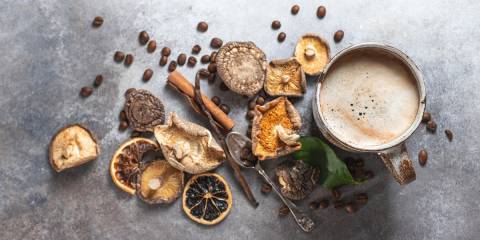
For those who want more than a jolt of caffeine in their coffee, the trending beverage known as mushroom coffee offers more than just a wake-up. The medicinal mushroom extracts it contains boast many potential health benefits.

Inform your healthcare provider when adding mushroom extracts to your daily regimen.

Mushroom Coffee FAQ

Does Mushroom Coffee Have Caffeine?

Powdered mushroom extracts are mixed half and half with ground or instant coffee, so the brew contains more caffeine than traditional decaf but less than regular coffee.

What Does Mushroom Coffee Taste Like?

No need to worry about flavor: mushroom coffee tastes like coffee, not mushroom soup. 

Some mushroom coffees also contain flavorings (think chai, cocoa).

Is Mushroom Coffee Nutritious?

Many brands boast nutritional blends, with gut-supportive prebiotics and probiotics; stress-fighting adaptogens such as ashwagandha; herbs; or vitamins and minerals.

Research has focused mainly on the health benefits of individual mushroom extracts, which range from lowering blood sugar and cholesterol to supporting patients undergoing cancer treatments.

Note that because few of the findings to date are based on human clinical trials, we refer to potential rather than known health effects.

“5 immune-boosting benefits of turkey tail mushroom” by J. Kubala, www.Healthline.com, 11/6/18

“9 health benefits of lion’s mane mushrooms . . . ” by E. Julson, www.Healthline.com, 5/19/18

“Is mushroom coffee worth the hype? An expert’s take” by A.C. Alexis, www.Healthline.com, 5/12/21

“Best mushroom coffee and drinks of 2022, according to a dietitian” by SaVanna Shoemaker, www.WellnessVerge.com, 9/13/22

“Cordycepin for health and wellbeing . . .” by S.A. Ashraf et al., Molecules, 6/12/20

“Effect of Inonotus obliquus polysaccharides on physical fatigue . . .” by Z. Xiuhong et al., Journal of Traditional Chinese Medicine, 8/15

“Food of the gods” by Victoria Dolby-Toews, www.tasteforlife.com

“Reishi mushrooms for immunity” by Roy Upton, www.tasteforlife.com

“Immunomodulatory effects of Hericium erinaceus derived polysaccharides are mediated by intestinal immunology” by X. Sheng et al., Food & Function, 3/22/17

“Inonotus obliquus—from folk medicine to clinical use” by K.A. Szychowski et al., Journal of Traditional and Complementary Medicine, 8/22/20

Contributor

Nan Fornal

Nan Fornal has experience with fiction, nonfiction, and technical publications, working closely with book and magazine publishers from first edit to final proofing. She has worked with Exeter Press, Boston magazine, and self-publishers alike.

The Brain Benefits of Probiotics

By The Taste for Life Staff

In partnership with RidgeCrest Herbals

Organisms found in foods like yogurt show promise in altering mood, stress, and pain sensitivity.

We know that consuming probiotics can help with digestion, but a recent study has given weight to the idea that probiotics may also change the way we process emotions.

Probiotics & the Gut-Brain Connection

The UCLA researchers who published the study found that women who ate yogurt with probiotics for a month displayed altered resting brain activity and changed responses to emotional tasks.

“Our findings indicate that some of the contents of yogurt may actually change the way our brain responds to the environment,” said Dr. Kirsten Tillisch, of UCLA’s School of Medicine, following release of the study in the journal Gastroenterology.

“When we consider the implications of this work, the old sayings ‘you are what you eat’ and ‘gut feelings’ take on a new meaning.”

Dr. Tillisch said the study indicated the “gut-brain connection is a two-way street.”

How Do Probiotics Benefit Your Brain?

Well, during the monthlong study, 36 women ate either:

  • yogurt with live probiotic cultures twice a day
  • a dairy product with no living bacteria
  • no dairy products

Each woman was given a magnetic resonance imaging (MRI) brain scan both before the study and after. Their brains were studied first at rest, then while performing an “emotional faces attention task” (they were matching pictures of angry or fearful faces).

The scans showed that women who ate the probiotic yogurt twice daily had less activity in the parts of the brain that get and integrate sensory information. There was also less activity in the parts of the brain that handle cognition and emotion.

While the study confirmed a scientific concept about the mind-body connection, it also proved that the brain doesn’t just send signals to the gut, the gut also communicates with the brain.

More study is needed to show how the probiotics work on the mind’s function and how they may be used to relieve chronic pain or emotional problems.

“Changing Gut Bacteria Through Diet Affects Brain Function...” by Rachel Champeau, UCLA News, 5/28/13

“Mood-Altering Yogurt? Probiotics Change Brain Function With Gut Bacteria,” by Ashik Siddique, www.MedicalDaily.com, 5/28/13

ADVERTISEMENT

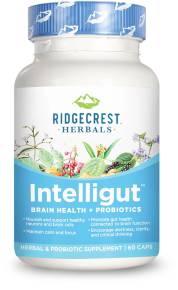
Ever notice when you're hungry you can't think straight? Intelligut™ supports the connection between your brain and your gut to help with mental clarity and focus.

Contributor

The Taste for Life Staff

The Taste for Life staff come from a wide variety of backgrounds and specialties. We believe learning is a life-long process, and love to share the knowledge we gain.

Nutrients for Aging Eyes

By Victoria Dolby Toews, MPH

Every year that goes by, your chances for vision loss go up. It’s a sad fact that by the age of 65, one in every eight adults will experience at least some amount of compromised vision.

Age-Related Eye Problems

The top causes of impaired vision include cataracts, age-related macular degeneration, glaucoma, and diabetic retinopathy. Here’s how you can help preserve your eyesight against these threats.

  • Cataracts

    There are 24.4 million Americans age 40+ with cataracts. By the age of 75, half of all people will have them.

    The clouding of the lens of the eye, which is the calling card of cataracts, is the top cause of correctable reduced vision. Cataracts develop slowly over time, which is why they are sometimes not noticed until vision impairment has progressed.

    Factors that delay or prevent cataracts would greatly enhance the quality of life for many seniors. Nutrition researchers have eyed antioxidants for a while when it comes to cataracts, since free radicals are a major culprit in their formation. Consequently, antioxidants offer strong protection against the development and progression of cataracts.

    Topping the list are vitamins C and E and the carotenoids lutein and zeaxanthin. Vitamin B2 also makes a strong case in the research for preventing cataracts.

  • Age-Related Macular Degeneration

    Age-related macular degeneration (AMD), a leading cause of blindness, is a progressive disorder affecting the central part of the retina, called the macula.

    The macula gets damaged from constant UV light exposure, but certain nutrients act as a shield against this damage.

    As with cataracts, the carotenoids lutein and zeaxanthin are heavy-lifters here. Keeping levels of those two nutrients abundant pays off by lowering the risk of fading vision in the future. Pistachios are rich in lutein, and recent research shows that eating about two ounces of these nuts daily for 12 weeks leads to significant increases in a pigment that protects the retina.

    The omega-3 fatty acids in fish oil also merit mention. Diets that include fish regularly, as well as this nutrient in supplement form, guard against AMD and can sometimes regain lost vision in certain people.


  • Glaucoma

    Anyone over age 60 is considered at high risk of glaucoma—the condition that increases pressure in the eye (specifically on the optic nerve), which can result in blindness.

    As with AMD, omega 3s show promise with this eye condition. Specifically, supplementing with DHA has been shown to reduce pressure in the eye, based on research in a population who already had glaucoma.

    In addition, plenty of vitamin C—once again this antioxidant shows its support for healthy vision—is linked to protection from developing glaucoma.

  • Diabetic Retinopathy

    People with diabetes (both Type 1 and Type 2) are at higher risk of diabetic retinopathy, making this condition a leading cause of vision impairment in adults.

    The high levels of sugar in the blood can damage the tiny blood vessels in the retina. Keeping blood sugar levels under tight control is the most important way to minimize the risk of this vision hazard.

    A few supplements can provide support, and once again several antioxidants (including the multi-talented lutein) claim top billing for being beneficial for diabetic retinopathy.

    In one study, a daily antioxidant supplement (including vitamin E, coenzyme Q10, and Pycnogenol) improved eye health.

    Similarly, stand-alone supplements of Pycnogenol have been documented to improve vision in those with early-stage diabetic retinopathy.

Symptoms of Impaired Vision

A surprising number of people live with undiagnosed age-related eye conditions—many of whom could be treated to improve their vision.

The following symptoms indicate a need to get your vision (or your loved one’s) checked out:

  • Reading material held very closely or at an angle
  • Changes in writing quality
  • Overfilling glasses when pouring a drink
  • Spilling food and difficulty cutting food
  • Complaints that the lighting is always too poor to see properly
  • Difficulty quickly identifying faces or objects
  • Mis-reaching when trying to pick up an item
  • Bumping into things 
  • Shuffling when walking or stepping hesitantly
  • Walking up/down stairs more cautiously than before

“The age-related eye disease 2 study: Micronutrients in the treatment of macular degeneration” by A. Gorusupundi, Adv Nutr, 1/17/17

“The association between dietary intake of antioxidants and ocular disease” by A. Braakhuis et al., Diseases, 1/30/17

“Circulating levels of reactive oxygen species in patients with nonproliferative diabetic retinopathy and the influence of antioxidant supplementation...” by D. Domanico et al., Indian J Ophthamol, 1/15

“Effect of lutein supplementation on visual function in nonproliferative diabetic retinopathy” by P.C. Zhang et al., Asia Pac J Clin Nutr, 5/17

“Effects of oral supplementation with docosahexaenoic acid (DHA) plus antioxidants in pseudoexfoliative glaucoma...” by S. Romeo Villadóniga et al., J Ophthamol, 9/17/18

“Pistachio consumption increases macular pigment optical density in healthy adults: A randomized controlled trial” by T.M. Scott et al., Journal of Nutrition, 10/17/24

“What do we know about the macular pigment in AMD...” by R. Arunkamar et al., Eye, 5/18

Contributor

Victoria Dolby Toews, MPH

Victoria Dolby Toews, MPH, is an evidence-based, integrative medicine journalist with more than 20 years of research and writing expertise, She received her Master of Public Health from OHSU-PSU School of Public Health.

She is the author or co-author of numerous books, including Life After Baby (2012), The Green Tea Book, 2nd edition (Penguin, 2008). User’s Guide to Healthy Digestion (Basic Health Publications, 2004), The Soy Sensation (McGraw-Hill, 2002), User’s Guide to Glucosamine and Chondroitin (Basic Health Publications, 2002), The Common Cold Cure (Avery, 1999), and The Green Tea Book (Avery, 1998).

Her work was recognized for excellence as a 2001 finalist for the Maggie Awards (Western Publications Association award honoring editorial excellence in magazines west of the Mississippi River).

Don't Miss a Thing!


Get the latest articles, recipes, and more, when you sign up for the tasteforlife.com newsletter.

Hot Product