Top Ten Foods for Lung Health

By Kelly Milner Halls

Our lungs came into sharp focus with COVID-19. Is there anything we can do to reinforce the health of our lungs?

Fortunately, many foods support lung health.

Foods That Support Your Lungs' Health

Here are 10 options to get you started.

  • Beets

    Beets are rich in nitrates, magnesium, potassium, antioxidants, and vitamin C. Each of those components boost the health of human lung tissue. The nitrates relax blood vessels within the lungs and distribute oxygen more efficiently.

  • Red Peppers

    Red peppers are an excellent source of vitamin C, a nutrient especially important to the lung function of smokers.

  • Apples

    Apples are rich in antioxidants and vitamin C. Eating five or more apples a week can help improve lung function and reduce the risk of developing chronic obstructive pulmonary disease (COPD).

  • Tomatoes

    Tomatoes are rich in lycopene, a carotenoid antioxidant proven to improve lung health. Substances in tomatoes can also reduce airway inflammation to help people with lung challenges such as asthma and COPD.

  • Green Tea

    Green tea has a high concentration of EGCG— epigallocatechin gallate. Because EGCG boosts the body’s antioxidants, it also boosts anti- inflammatory properties to help heal scarred lung tissue.

  • Edamame

    Edamame beans are rich in isoflavones. Isoflavones help guard against lung disease, including COPD. Isoflavones can also reduce shortness of breath in those with impaired lung capacity.

  • Oysters

    Oysters are rich in zinc, selenium, copper, and B vitamins. Those nutrients improve lung function. Smokers often deplete their B vitamin stores. Oysters help return the balance.

  • Blueberries

    Blueberries are rich in anthocyanins, pigments that help protect lungs from tissue damage. In one study, people who consumed two servings of blueberries a week slowed the progression of lung disease significantly.

  • Coffee

    Coffee helps protect your lungs. Caffeine and antioxidants help protect against respiratory diseases including asthma and COPD by expanding blood vessels and improving the transfer of oxygen.

  • Turmeric

    Turmeric is rich in antioxidants and anti- inflammatory agents. Its active ingredient curcumin is especially helpful for improving lung function.


“Association between vitamin intake and respiratory complaints in adults . . .” by S. Almoosawi and L. Palla, BMJ Nutrition, Prevention & Health, 2020

“What vitamins may help repair the lungs?,” Lung Health Institute, www.LungHealth.com, 3/4/19

Contributor

Kelly Milner Halls

Kelly Milner Halls has been a full-time freelance writer for the past 30 years. At 62, she knows a thing or two about aging with grace. Just ask her grown daughters, Kerry and Vanessa. You can ask Abbey, her elderly Great Dane too, but she’s not likely to answer.

Children's Eye Health

Protecting Vision Starts at An Early Age

By Pamela Bump

Did you know that August is Children’s Eye Health and Safety Month? Whether you’re expecting your first child or already raising your youngsters, you can work toward safeguarding their eye health now and well into the future.

Eye Health Support for Kids

Vitamins for Vision During Pregnancy & Infancy

As early as the first month of pregnancy, the optic nerve, which sends information between the eyes and the brain, begins to develop. Expectant mothers should take prenatal vitamins and incorporate foods rich in vitamin A into their diet. Dark green, leafy vegetables (kale, spinach) and deep yellow and orange veggies (carrots, sweet potatoes) are high in this vitamin, which is crucial for good vision.

After bringing home baby, these foods will continue to be important for supporting eye health. Omega-3 fatty acids (found in fish), vitamins C and E, as well as the mineral zinc may also protect against future eye diseases, including age-related macular degeneration, the leading cause of vision loss in American adults.

Protection from Sunlight

Sunlight, which can enter the womb through a mother’s skin, could also boost eye development. A study on mice reported that the animals’ eyes were healthier if they were exposed to more light in utero.

  • Light Exposure

    You may want to treat newborns to bright environments. As early as one month, babies are sensitive to color brightness and intensity. Their least favorite color seems to be brown!

  • Time Outside

    Sending older children outside to play in natural light may also help preserve their vision later on. Studies show that kids who play outside regularly are less likely to develop nearsightedness. In fact, one study reported that with each additional hour spent outdoors each week, children were two percent less likely to develop the eye condition. According to the American Academy of Ophthalmology, nearsightedness has become much more common in the United States compared to its rates in the 1970s. Advances in technology are most likely to blame.

  • UV-Blocking Glasses

    UV-blocking sunglasses do a lot to protect children’s eyes, and their value should not be underestimated. While quality shades protect eyes from foreign objects, they can also prevent later eye diseases, like cataracts, caused by too much sun exposure.

“A direct and melanopsin-dependent fetal light response regulates mouse eye development” by S. Rao et al., Nature: International Weekly Journal of Science

“More Time Outdoors May Reduce Kids' Risk of Nearsightedness” by David Turbert, 8/28/14, American Academy of Ophthalmology, www.aao.org

“Normal Vision Development in Babies and Children,” American Academy of Ophthalmology, www.aao.org

Contributor

Pamela Bump

Pamela is the Audience Growth Manager for the HubSpot Blog and holds an M.S. in Media Ventures from Boston University. Before HubSpot, she was Taste for Life’s first Web Editor & Social Media Expert and Harvard Business Review’s first Growth Editor.  In her roles, she’s managed content strategy, social media, and audience growth tactics.

Although her career is focused on digital marketing and editorial innovation, she continues to write for TFL to quench her thirst for food blogging and health journalism.

Natural Relief for Chronic Pain

By Jane Eklund

Tylenol, Advil, and other over-the-counter pain killers are fast-working and convenient for treating the symptoms of an occasional headache, muscle strain, and the like, but they’re not always the best answer to long-term discomfort.

NSAIDs—nonsteroidal anti-inflammatory drugs—including ibuprofen and naproxen have been associated with kidney, heart, and bone issues. Aspirin and acetaminophen can be better options but still present risks to stomach and liver function when used regularly at high doses.

Natural Relief for Long-Term Pain

Fortunately, there are a number of natural alternatives to nonprescription medications that people dealing with long-term or chronic conditions may want to consider. Here are some options to try.

  • Supplements

    • Reduce Inflammation with Turmeric

      The spice that adds the deep yellow color to curries is well-known for its anti-inflammatory properties. Part of the ginger family, turmeric comes in capsule form. Among conditions it’s used for are:

      • diabetes
      • osteoarthritis
      • rheumatoid arthritis
      • psoriasis
    • Lessen Pain and Inflammation with Omegas

      Fatty acids found in fish oil, nuts, and seeds, omega 3s are anti-inflammatory and can lessen stiffness, joint and back pain, menstrual pain, and pain caused by conditions including rheumatoid arthritis, Alzheimer’s disease, diabetes, and heart disease.

      One study showed that people with rheumatoid arthritis who took a daily dose of cod-liver oil could cut back on NSAID use by one-third.

      In another study, two-thirds of participants with neck and back pain were able to replace their NSAIDs altogether with fish oil.

    • Decrease Arthritis Pain and More with Probiotics

      Supplementing with probiotics may reduce inflammation and help with pain and bloating caused by gut disorders like irritable bowel syndrome. But their use extends beyond the digestive tract.

      The Arthritis Foundation notes that probiotics can be particularly helpful for people with inflammatory types of arthritis, who typically also suffer from inflammation of the intestinal tract.

      In a 2014 study, rheumatoid arthritis patients who received a daily supplement of the probiotic Lactobacillus casei showed significantly lower markers of inflammation than those given a placebo.

  • Topicals

    • Desensitize Nerves with Capsaicin Cream

      Another supplement used for arthritis pain, along with pain from shingles and neuropathy, capsaicin is derived from chili pepper. It works by desensitizing C-fibers, nerve receptors in the skin. It’s sold in ointments and creams for topical use.

      In a University of Oxford study, 40 percent of arthritis sufferers cut down their pain by half after using capsaicin cream for a month. Sixty percent of people with nerve pain cut their pain by half after two months of capsaicin application.

  • Lifestyle Changes to Manage or Reduce Chronic Pain

    Other natural methods for dealing with chronic pain include massage, acupuncture, exercise (t’ai chi, yoga, and swimming are especially helpful), meditation, and good sleep hygiene.

Other Supplements and Topicals for Pain Relief

Type of Pain Supplements
Back and Joint Pain
  • Devil’s Claw Root
  • Comfrey
  • Glucosamine and Chondroitin
Headaches
  • White Willow Bark
  • Boswellia
  • Feverfew
  • Butterbur
Arthritis
  • SAM-e
  • Glucosamine and Chondroitin
  • Boswellia
Fibromyalgia
  • Vitamin D
Wounds, Injuries, Swelling
  • Arnica

Precautions

Remember, if you’re dealing with pain, be sure to consult a healthcare practitioner for an appropriate diagnossis.

Always check with your practitioner before adding a new supplement to your regimen, as some can interfere with medications or are not recommended for people with particular conditions or women who are pregnant or nursing.

“11 natural cures for pain” by Jordan Lite, www.Prevention.com, 11/17/11 

“Before you take ibuprofen, try this” by Amanda MacMillan, http://time.com, 5/18/17 

“Can supplements help with pain?” by Kara Mayer Robinson, www.WebMD.com, 10/28/17 

“The promise of probiotics for arthritis” by Jodi Helmer, www.arthritis.org, 4/15 

“Supplements for inflammation: Guide for natural pain management” by Shandley McMurray, https://UniversityHealthNews.com, 10/23/18

Contributor

Jane Eklund

Jane has a rich, diverse background in both literary and journalistic writing, including book reviews, poetry, and history.

Benefits of Lion's Mane

By Roy Upton, RH, DAyu

What is Lion's Mane?

Both a delicious edible and incredible medicine, lion’s mane mushroom (Heiricium erinaceus), when mature, is a fleshy, semi-spherical whitish fruiting body.

It is composed of a mass of unbranched icicle-looking spines hanging from a cushiony base that attaches to recently fallen logs or injured tissue of living hardwoods.

Native to Europe, it is widely distributed throughout woodlands of North America.

When fresh, the spines are white and highly edible, though the base is too tough to be eaten.

As this mushroom ages, the color turns to yellowish to brown, at which time its delectability declines.

Lion's Mane for Brain Health

Medicinal mushrooms, such as reishi, shiitake, and lion’s mane, are among the most important supplements we can use for overall health. They share properties and chemistry that are similar, but each has its unique signature.

The unique signature of lion’s mane is its incredible potential for healing nerve tissue. Clinical and preclinical investigations show it to be uniquely beneficial in the prevention and treatment of cognitive decline, such as Alzheimer’s disease, due to its ability to both protect and regenerate nerve tissue.

Lion’s Mane Chemistry

  • Beta Glucan-Type Polysaccharides

    Like most medicinal mushrooms, lion’s mane consists of an array of beta glucan-type polysaccharides, often touted as the active constituents of medicinal mushrooms.

  • Diterpenoids: Erinacines and Hericenones

    Of special interest that gives lion’s mane its unique standing is a collection of diterpenoids know as erinacines and phenolic compounds known as hericenones. Both have the ability to promote the synthesis of nerve growth factor, a neuropeptide involved in the regulation of growth, maintenance, proliferation, and survival of neurons.

  • Other Components

    Additionally, lion’s mane contains:

    • organic acids
    • nucleotides
    • amino acids
    • carbohydrates
    • flavonoids
    • unsaturated fatty acids
    • terpenoids
    • phenolic acids
    • phenylpropanoids
    • steroids

Lion's Mane for Neurodegenerative Diseases

In animals that received erinacine A in daily meals, improvements in neurodegenerative diseases such as ischemic stroke, Parkinson’s disease, and Alzheimer’s disease were seen. Also observed were decreases in amyloid plaque, a characteristic feature of AD.

The same compound increased the survival of newly formed neurons in the hippocampus, suggesting general benefit, not just benefit for those with diseased brains.

Subsequently, an erinacine A-enriched lion’s mane mycelium preparation was given to patients with mild AD. Improvements were recorded using a variety of dementia assessment ratings.

Other markers associated with cognitive decline showed marked improvement, including increases in neurotropic factor in the brain and reductions in amyloid plaque and apolipoprotein E4 levels, the latter being the primary known genetic risk factor for AD.

Part of this activity is associated with a direct effect on regenerating nerve tissue but also in reducing inflammatory cytokines, which are compounds that can wreak havoc on nerve tissue (think “cytokine storm,” as seen in severe cases of COVID-19).

Other Neurological Disorders

In addition to lion’s mane potential for reducing the incidence and severity of AD and dementia, it similarly shows benefit in other neurological disorders, including:

  • protecting against age-related hearing loss
  • decreasing brain lesions in Parkinson’s disease
  • supporting healthy myelination of nerve tissue

Myelin is a fatty substance that serves as insulation around nerve tissues, thereby improving nerve transmission and factors in conditions such as:

  • multiple sclerosis
  • Guillain-Barre syndrome
  • peripheral nerve damage

Other Benefits of Lion's Mane

  • Diabetes Control

    While the cognitive benefits of lion’s mane have been determined in human clinical and animal trials, a number of other benefits have been investigated in preclinical studies.

    When administered as a part of the diet, lion’s mane inhibited the wasting that occurs in advanced diabetes, improved fasting blood sugar levels, reduced glucose tolerance, improved liver function and lipid metabolism, and reduced oxidative stress, which is prevalent in diabetes.

    Polysaccharides were found to be at least partially responsible for these activities.

  • Immunity

    A number of studies report a host of mechanisms by which lion’s mane supports health in general and healthy immunity specifically.

    In one study, compounds hericerin A and hericerin inhibited the growth of leukemia cells, while another showed that lion’s mane polysaccharides activate macrophage immune response, which suggests its potential as a preventive in respiratory infections.

  • Gut Health

    Other studies show that lion’s mane improves the health of the intestinal microbiome with potential benefit in colitis, healing of the mucosal lining in the intestines, and even the potential to break down wheat.

Contributor

Roy Upton, RH, DAyu

President of the American Herbal Pharmacopoeia, Roy Upton has been working professionally as an herbalist for almost 40 years. He is trained in Ayurvedic, Chinese, and Western herbal traditions. 

Pasta Combinations

User your noodle to come up with fresh ideas

By Lisa Fabian

There’s nothing wrong with a hearty bowl of spaghetti topped with your favorite marinara. But sometimes you want something a little bolder, a little more exciting.

That’s the great thing about pasta—the possibilities are endless!—and that’s where these dishes come in.

Pasta Pairings

Toss one of the following combinations with your favorite brand of cooked pasta, and you have a fast and healthy weeknight meal.

We’ve suggested different shapes of pasta to accompany each option, but feel free to use whatever style you like and make sure to cook your pasta the right way.

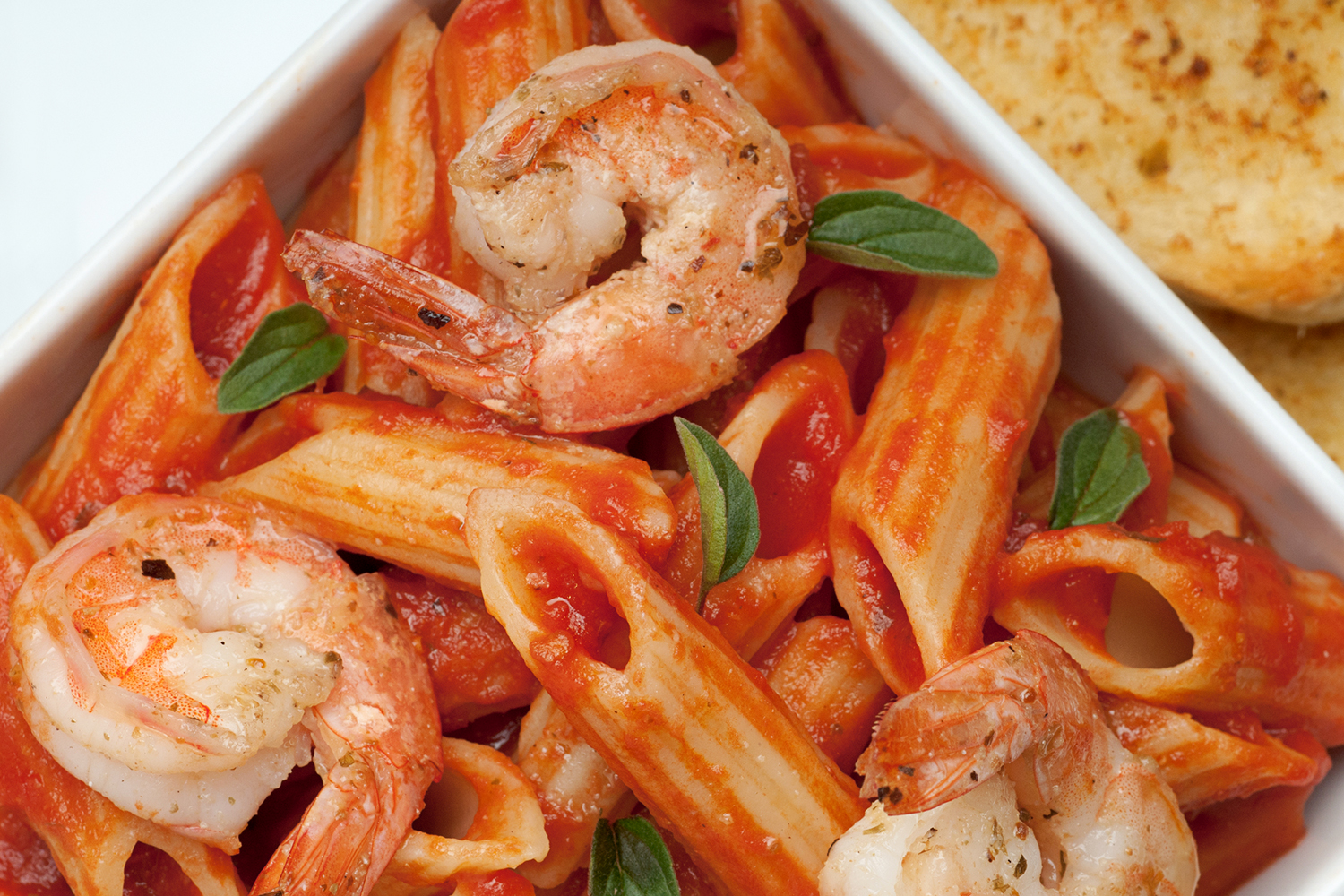
  • Cajun Shrimp Penne

    • Chopped red and green bell peppers
    • Chopped tomato
    • Shrimp
    • Diced green onions
    • Hot sauce
  • Goat Cheese and Arugula Rotini

    • Chopped garlic
    • Arugula
    • Crumbled goat cheese
    • Chopped sun-dried tomatoes
    • Toasted bread crumbs
  • Salmon and Peas with Shells

    • Salmon, cut into chunks
    • Peas
    • Low-fat sour cream
    • Lemon juice
    • Dill
  • Lentil Bolognese with Spaghetti

    • Roasted eggplant
    • Chopped red bell pepper
    • Brown lentils
    • Chopped tomato
    • Shredded Parmesan cheese

“Cooking Pasta—How To Cook Perfect Pasta,” WhatsCookingAmerica.net

“Top Ten Tips for Cooking Pasta,” ZestyCook.com

Check out these other pasta tips and tricks:

Contributor

Lisa Fabian

Contributing Editor

Lisa Fabian is an award-winning freelance writer with more than 25 years of experience in the publishing industry. She's enjoyed covering topics as diverse as arts and crafts, boating, food, and health and wellness.

Environmentally Friendly Cleaning

6 Ingredients to Embrace (and 5 to Avoid)

By Pamela Bump
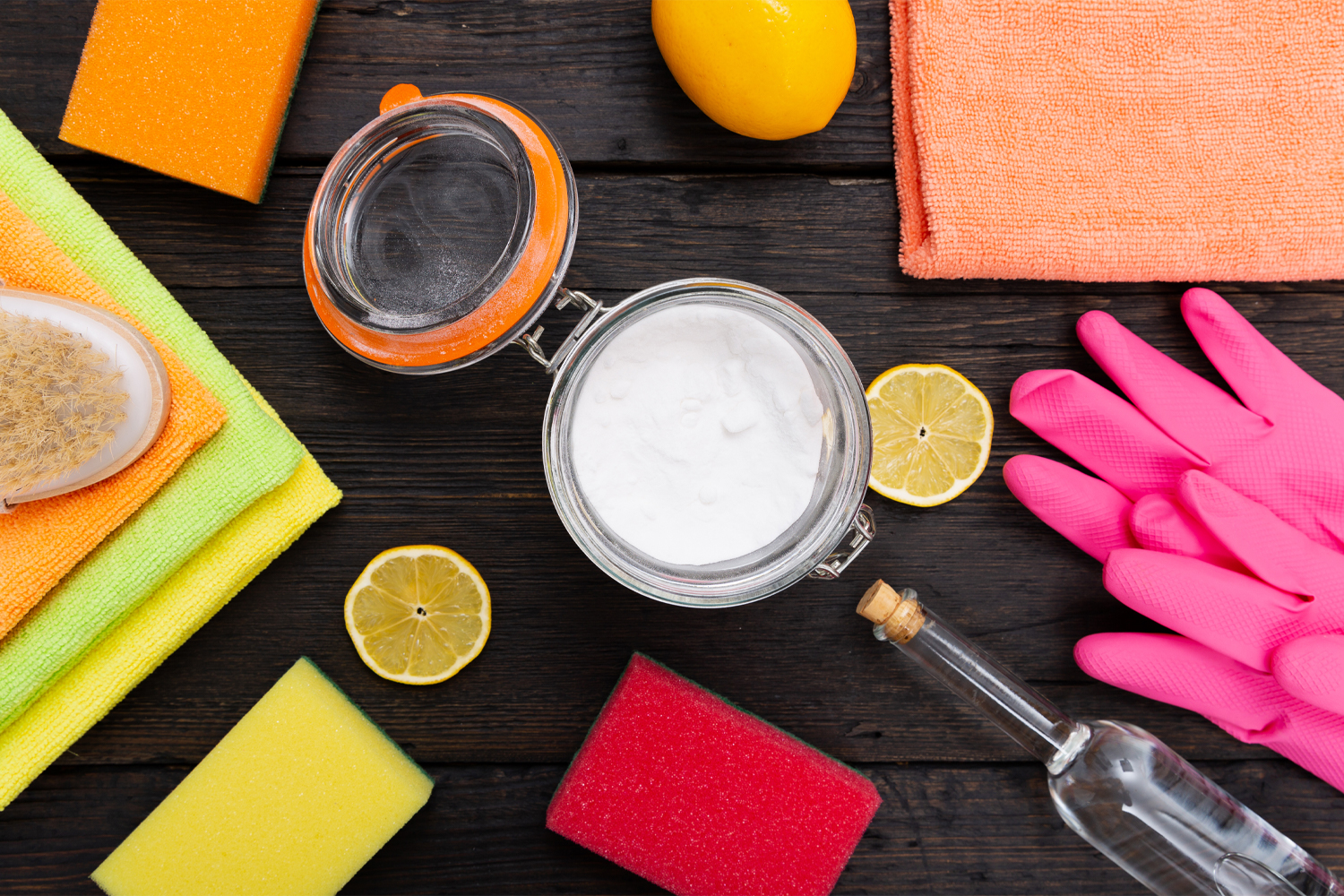
a variety of all-natural cleaning products and tools
ID 135938662 © Arturs Budkevics | Dreamstime.com

Now — more than ever — we’re thinking deeply about the bacteria we could be bringing into our homes.

At the same time, as we stock our cleaning cabinets for the next major scrub-down, we might also be wondering if the products we use to clean our kitchens, bedrooms, bathrooms, dishes, and laundry are actually safe for us and our surrounding environment.

Luckily, there are a number of healthy, environmentally-friendly, and plant-based ingredients that can help you achieve a balance between sustainability and home safety.

Highlighted below are common planet-friendly ingredients that can help you clean your home safely as well as five toxic substances to eliminate from your all-natural regimen.

Eco-Friendly Cleaning Ingredients

Toxic Cleaning Ingredients to Avoid

  • Chlorine Bleach

    There’s nothing that ruins a well-cleaned home like the migraine-inducing small of bleach. Not only does bleach smell terrible, it’s toxic.

    Bleach is especially dangerous when mixed with ammonia, discussed more in detail below. This mixture creates toxic gases called chloramines, which can cause coughing, nausea, shortness of breath, watery eyes, chest pain, and nose or throat irritation, and even pneumonia.

    Depending on where you shop or live, it might be challenging to find cleaning products without trace amounts of bleach in them. Luckily, there are a number of healthy, natural, and powerful cleaning alternatives that might already be in your own kitchen. While you can start by looking for products with ingredients on the plant-based list above, you can also try implementing vinegar and baking soda into your cleaning regimen.

  • Ammonia

    Among your local grocery store’s bleach-based cleaning products, you’ll also likely find a number of items that include ammonia — a pungent gas that’s often mixed with water to create cleaning solutions.

    Like bleach, this ingredient is toxic. According to the New York Health Department, heavy exposure to it can cause burning of the eyes, nose, throat, and respiratory tract. This exposure can also result in blindness, lung damage, or even death. Meanwhile, inhalation of smaller amounts of ammonia can cause coughing, nose irritation, and throat pain.

  • Parabens

    Since the 1920s, parabens have been used in many products including food, body care items, and cleaning liquids. Despite their popularity, parabens can dangerously impact the human body. Specifically, research has linked them to hormone disruption, infertility, and various cancers.

  • Triclosan (or TCS)

    In 2016, the FDA banned triclosan’s use in hand soap because research could not demonstrate it was safe for skin. However, it has not yet been banned from some cleaning products or toothpaste.

    What researchers do know is that too much exposure to this chemical, also known as TCS, can harm reproduction and the body’s ability to create mitochondria, or healthy cell membranes.

  • 2-Butoxyethanol

    2-butoxyethanol is described by the CDC as a colorless liquid with a mild odor. When exposed to it, the chemical can harm the eyes, skin, kidneys, and blood.

    2-butoxyethanol is a heavy-duty solvent found in paint strippers, thinners, and household cleaners. The CDC notes that employees in many industries, including construction, printing, manufacturing, and cleaning may see higher instances of exposure.

Navigating Natural Cleaning Products

When choosing products for your next cleaning spree, be sure to research brand websites, physical labels, and product reviews to determine if an item and its ingredients are appropriate and safe for your home. Keep in mind that a number of great environmentally-friendly companies offer transparent product labels and ingredient guides directly on their websites.

For more tips on how to research and understand complicated product labels, check out this helpful article.

“2-butoxyethanol,” CDC.gov, 2020

“5 essential oils for spring cleaning”“How to choose your probiotics"; "Omegas by the numbers"; “Prevent kidney stones”; “Summer secrets for great hair," tasteforlife.com

“Banned from soap, is triclosan in your toothpaste?”by Matt McMillen, Radiance by WebMD, WebMD.com, 7/5/18

“Citric acid uses that moms have grown to love” by Lemi Shine, KTEN.com, 4/2/2019

“Cleaning up with glycerin” by Trish Barber, ReadersDigest.com, 12/22/10

“Dangers of mixing bleach with cleaners,” Washington State Department of Health, doh.wa.gov, 2020

“Detergent-compatible bacterial cellulase” by F.N. Nyonzima, Journal of Basic Microbial, 2/19

“The facts about ammonia,” New York Health Department, 2020

“Methyl esters” by Q. Zhai et al., Hormone Metabolism and Signaling in Plants, 2017

“What are parabens, and why they don’t belong in cosmetics products?” by Tasha Stoiber, EWG.org, 4/9/19


Contributor

Pamela Bump

Pamela is the Audience Growth Manager for the HubSpot Blog and holds an M.S. in Media Ventures from Boston University. Before HubSpot, she was Taste for Life’s first Web Editor & Social Media Expert and Harvard Business Review’s first Growth Editor.  In her roles, she’s managed content strategy, social media, and audience growth tactics.

Although her career is focused on digital marketing and editorial innovation, she continues to write for TFL to quench her thirst for food blogging and health journalism.

Dogs and Chocolate

Your furry friend doesn't have an "off" switch.

By Alan Siddal
a dog being tempted by chocolate sitting around
ID 142549999 © Bogdan Sonyachny | Dreamstime.com

Chocolate is good for you...

Eating dark chocolate helps restore flexibility to arteries and prevents white blood cells from sticking to the walls of blood vessels. Those two factors play key roles in the prevention of atherosclerosis—a buildup of plaque that limits the flow of oxygen-rich blood.

Middle-aged, overweight men participated in an eight-week study. They ate 70 grams of chocolate per day (about 2.5 ounces). Some of the men ate regular dark chocolate and some received a special chocolate with a higher level of flavonols. Both chocolates had similar amounts of cocoa, and both produced the same positive results.

...but it isn’t good for dogs

Chocolate can cause life-threatening health problems in dogs, so take care to keep it out of reach and off countertops.

“Dogs have no off button,” Tina Wismer, DVM, told the New York Times. “If you or I ate 10 percent of our body weight in chocolate, we’d have the same problems,” which can include vomiting, diarrhea, agitation, elevated heart rates, or seizures. “A 10-pound dog can easily eat a pound of chocolate,” said Dr. Wismer, who is the medical director of the ASPCA’s Animal Poison Control Center.

Dark chocolate is more toxic to dogs than milk chocolate. Dogs will show signs of poisoning 6 to 12 hours after ingestion of a toxic dose. Contact your veterinarian or an emergency clinic if symptoms arise.

“Why Dark Chocolate Is Good for Your Heart,” Federation of American Societies for Experimental Biology, 2/27/14

“Ask Well: The Problem with Dogs and Chocolate” by Catherine Saint Louis, New York Times, 2/14/14

Contributor

Alan Siddal

Staff Writer

Coronavirus: How to Boost Your Immune System & Protect Yourself

10 Simple Nutrients to Boost Your Immune System for Maximum Protection & Immunity

By Ann Louise Gittleman, Ph.D., C.N.S.
A man in a face mask carrying a sign that reads stop coronavirus spread.
ID 174031014 © Milos Petrovic | Dreamstime.com
We host blogs from some of the leading voices in natural health and wellness. Opinions and views expressed by the author are their own, and do not necessarily represent those of Taste For Life or its editorial staff. Please contact Ann Louise Gittleman, Ph.D., C.N.S. with any questions about this content.
This content originally appeared on annlouise.com

With the fast, worldwide reach of the media, it seems like every year we hear about a new illness outbreak looming on the horizon. In 2001 it was anthrax, 2002 was West Nile virus, 2003 was SARS, and in the following years it’s been H1N1 influenza, Ebola, and Zika viruses, among others. And now in 2020, we have a new coronavirus emerging.

The World Health Organization has now declared the coronavirus outbreak centered in Wuhan, China a “public health emergency of international concern,” with cases diagnosed as far as Europe, Thailand, Japan, and the US. This currently rivals the SARS coronavirus outbreak as far as total numbers, but the relative good news is that the fatality rate is much lower at 2 percent right now. Unfortunately, the media coverage and medical system response is enough to create panic for anyone.

Boost Your Immune System to Exploit Virus Weakness

Fortunately, all viruses share the same fundamental weaknesses, and there’s so much we can do to safely, easily, and naturally exploit these weaknesses to boost our immune system and protect ourselves from getting sick. For instance, did you know the magnesium chloride that is commonly used even in hospital ICU departments to save lives can also help fight off a virus? It’s true, and magnesium chloride is readily available for home use as well, so you don’t have to get sick to have access to it. And you can easily make it into a gel to apply to your children’s skin, so you don’t have to worry about getting them to take a pill.

With a basic understanding of how common viruses spread, some simple common sense precautions, and nutrients to boost your immune system, you can help protect your family from this public health menace.

Use Common Sense to Prevent Viral Illness

The first thing you need to know about fighting off viruses is that the earlier you start, the better your interventions work. Don’t wait until you have a fever and cough, start at the first sign of a sniffle or that feeling that you might be coming down with something. Pay attention to local media and area schools with what they announce is going around, and boost your immune system ahead of time so you never have to miss a day of work.

When you have to go out in public during a viral illness outbreak (like flu season) to run errands or attend events, make sure you understand how the virus is spread and take appropriate measures. Most viral illnesses that cause outbreaks are airborne. This means they spread through tiny droplets that come from coughs and sneezes, and can travel all the way across a crowded room through the air, landing on solid surfaces or being breathed in.

Take Caution When in Public Spaces

Door knobs, shopping carts, keypads at the checkout, chair arms, and even the items you touch while shopping can all have contaminated droplets on them. While you are out, take special care to not touch your face and wash your hands regularly, or at least once you leave the store. If you are immune-compromised, wear a mask.

School children should wash hands regularly throughout the day, and athletes who play sports like basketball need to be aware the germs can travel on the ball and they need to use a towel (not their hands) to wipe sweat from their faces, and wash their hands after playing.

The Difference Between Viruses & Bacteria

Viruses aren’t like bacteria, so you can’t simply take an antibiotic to get over them. Bacteria stick to the outside of your cells, while viruses inject themselves inside your cells, using your own cells as a layer of protection. This makes it difficult to develop medications that stop viruses without injuring our own cells. This is why we look to natural alternatives that help boost our immune systems so they fight off foreign invaders more quickly, and also help to strengthen cell membranes so the viruses can’t get in to begin with.

10 Best Immune Support Nutrients 

  • Elderberry Syrup

    Elderberry Syrup has earned its reputation as a potent flu-fighter and works well to boost immunity for other viruses as well. Elderberry is an immune system modulator, increasing the production of cytokines to help the body regulate its response to infections and diseases. The best syrup is the one you make yourself by boiling fresh or organic dried berries and adding local honey to the strained liquid once it has cooled (to preserve the immune boosting enzymes found in the honey). If you choose store bought, make sure the syrup is organic with no artificial sweeteners. Aim for one tablespoon 3 to 6 times daily at the onset of symptoms.

  • Echinacea

    Echinacea combined with elderberry is a dynamic duo. A Czech study of more than 400 people with early flu symptoms found it was more effective than a Tamiflu/placebo combination, with 90 percent of people experiencing symptom relief and shorter duration of the flu. This powerful combination also proved effective against avian influenza virus and other upper respiratory infections. Echinacea has an astringent effect on tissues, which decreases the ability of a virus to infect cells. It also increases the number of macrophages, the immune cells that kill bacteria and clean up dead viruses. Echinacea can be taken as often as every 4 hours in the first few days of infection as tincture, tea, or capsules.

  • Oil of Oregano

    Oil of Oregano was studied during the SARS coronavirus outbreak and an in vitro study showed it stopped virus replication within 20 minutes of exposure. While these types of studies alone aren’t considered strong enough scientific evidence alone, oregano has long been known for its antiviral, antibacterial, and antifungal properties. It should be noted that oil of oregano is not the same as oregano essential oil. Oregano essential oil has been found to kill the healthy probiotic bacteria in your microbiome, while oil of oregano has not. My recommendation is for oil of oregano, 2 gelcaps twice daily.

  • Olive Leaf Extract

    Olive Leaf Extract has been shown in studies to have antimicrobial and antioxidant properties. Not only is it antiviral, but also lowers blood pressure, balances blood sugars in diabetics, increases metabolism, and has anti-aging effects on the skin. Olive leaf extract also fights the dangerous E. coli and salmonella found in food poisoning. One teaspoon of tincture 2 to 3 times daily should be taken at the first sign of viral illness. Olive leaf extract is known to work well with oil of oregano.

  • Monolaurin

    Monolaurin is a fat found in coconut oil and has strong protective effects for viruses similar to coronavirus. Many viruses, including the Wuhan coronavirus, are enveloped in a protective layer of fat, shielding it from the immune system. Monolaurin dissolves the lipids in this fatty envelope, stripping the virus of its protective layer, allowing it to be destroyed by the immune system. When seeking monolaurin’s immune-supportive properties, it isn’t enough to ingest coconut oil, you must take the more concentrated form. I recommend 1500 milligrams twice daily in capsule form.

  • Vitamin C

    Vitamin C is a potent nutrient with many positive effects to help boost the immune system. It starts outside the cell by strengthening the collagen matrix, which helps limit the damage a virus can do to your tissues. Once inside the cell, vitamin C enters the virus and stimulates a reaction that kills the virus. Not many nutrients can help to strengthen your immunity and repair cells like this vitamin does. I recommend Time-C (a time-released formula) taken as 1 to 2 tablets three times daily to keep vitamin C levels steady all day.

  • Vitamin D

    Vitamin D has several studies that back up its effectiveness against the flu and other viruses by decreasing duration and reducing the risk of being infected in the first place. Vitamin D also stimulates your innate immunity to viruses. I recommend doses up to 5000 IU to support your immune system during viral outbreaks.

  • Iodine

    Iodine was shown in 1905 to be effective against tuberculosis, and was used almost a century ago in aerosol form to protect classrooms against influenza. According to Dr. David Brownstein, “There is no bacteria, virus, parasite or fungus that is known to be resistant to iodine.” It can be taken in liquid form as Lugol’s solution, or in pill form as Iodoral. Aim for up to 12.5 milligrams of intake per day at the onset of symptoms.

  • Magnesium

    Magnesium is a powerful immune-boosting ally. As I touched on briefly, its use extends beyond the ICU and into your home. Magnesium is in high demand in your body when you are under any kind of stress, including the physical strain of illness. Magnesium chloride, which can be applied topically either as a bath salt or made into a gel, is especially helpful because our bodies are able to tolerate higher doses. The gel is made simply by adding small amounts of water to the salts until liquified. Apply a few grams every few hours when symptoms start to help decrease duration and severity. It is important to note that your diet should be free from processed sugar while ill, because it takes more than 50 molecules of magnesium to process only one molecule of sugar.

  • Selenium

    Selenium deficiency in the body could allow an otherwise benign virus to mutate and cause serious damage. This is because there are selenium dependent proteins in your immune system that keep viruses under control. When you don’t have enough selenium to make adequate levels of these proteins, your body doesn’t have the support it needs and viruses could be allowed to run rampant. It only takes 100 to 200 micrograms of this powerful antioxidant mineral daily to keep levels optimal.

Contributor

Ann Louise Gittleman, Ph.D., C.N.S.

Ann Louise Gittleman, PhD, is a New York Times award-winning author of 30 books on detox, health, and healing, including the international bestselling Fat Flush Plan and Zapped! Visit her blog and join her online Fat Flush Community.

Herbs for Anxiety and Immunity

These natural medicines may be the boost you need to stay on track.

By The Taste for Life Staff
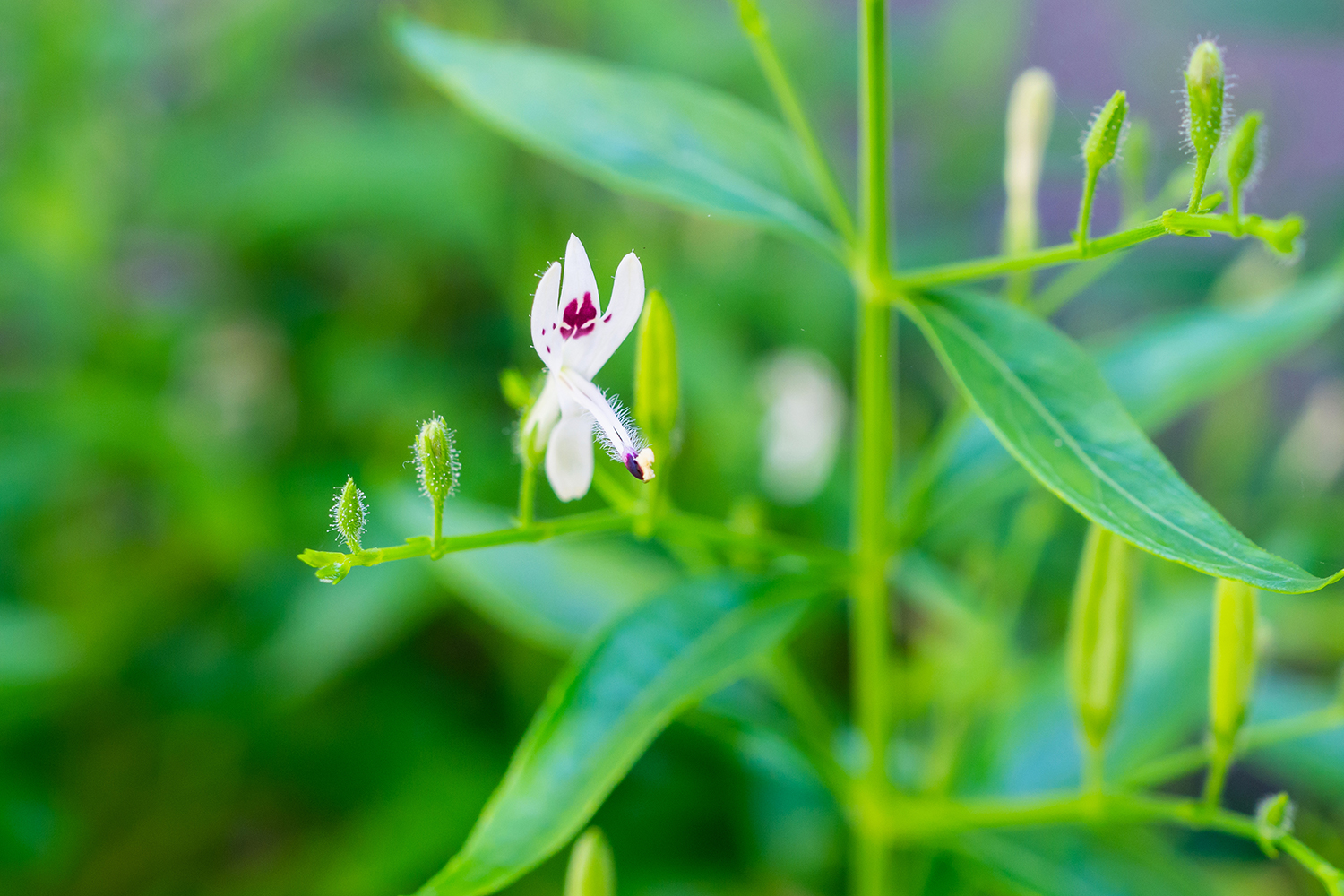
A flower on a King of Bitters plant, Andrographis paniculata
ID 169963011 © Piman Khrutmuang | Dreamstime.com

From Ayurvedic practices, to ancient Chinese traditions, herbs have helped keep humanity healthy and happy for ages. Here are some of our favorites.

Herbs for Stress Relief and Immune Support

  • Andrographis

    May help prevent and treat bacterial and viral respiratory tract infections. Appears to have anti-inflammatory, antiviral, and immune-boosting properties. For cold and flu, a typical clinical dosage is 300 mg of a standardized extract (containing 30% andrographolide) taken two to three times a day for up to 10 days. Short-term use is generally considered safe. Avoid during pregnancy and while breastfeeding.

  • Ashwagandha

    A calming herb for anxiety and depression, it’s been shown to produce a sense of calm comparable to prescription anti-anxiety drugs. Avoid if you’re taking prescription drugs for anxiety or insomnia.

  • Astragalus

    This herb boosts immunity and fights against bacteria, viruses, and inflammation.

  • Black Elderberry

    A powerful flu remedy that stimulates the immune system, this remedy has antiviral and antibacterial actions.

  • Echinacea

    This herb strengthens the immune system and may be helpful against coughs, headaches, and congestion. Take at the first sign of a cold or flu. Do not use as an everyday supplement.

  • Magnesium

    Supports the adrenal glands, which can be overworked by stress. A low magnesium level during stressful periods can cause energy depletion that leads to fatigue, further lowering your defenses.

  • Rhodiola

    Strengthens the body, so it can deal with physical and mental stressors. Traditionally used to ease anxiety, depression, fatigue, and insomnia. Those with bipolar disorder should avoid rhodiola.

  • Schisandra

    Effective for relieving symptoms of emotional stress, including insomnia, fatigue, and depression. Those who are pregnant or have gallstones or peptic ulcers should avoid schisandra.

Contributor

The Taste for Life Staff

The Taste for Life staff come from a wide variety of backgrounds and specialties. We believe learning is a life-long process, and love to share the knowledge we gain.

Take Time for Your Ticker: Heart Healthy Tips

By Maria Noël Groves, RH (AHG)
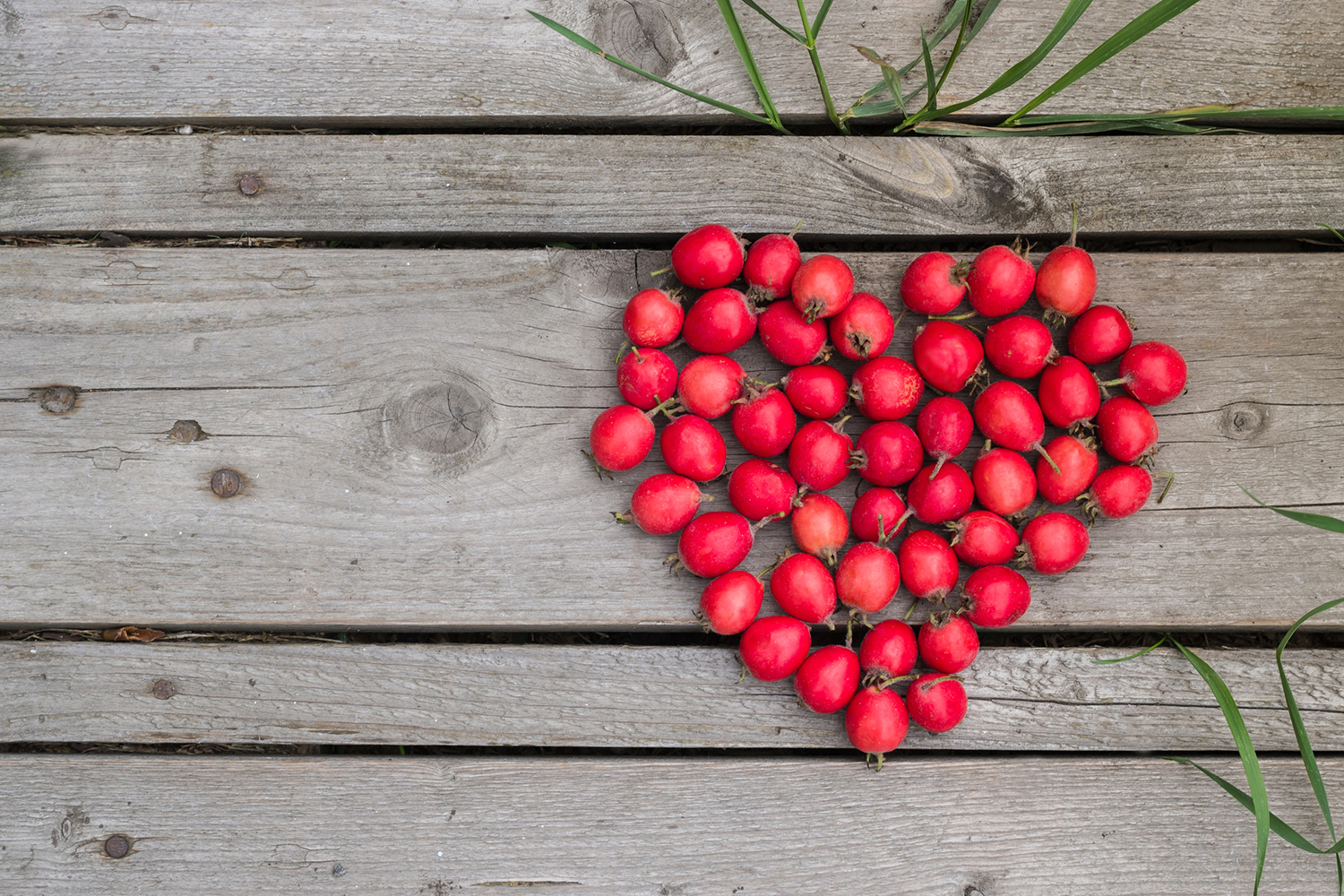
Red heart of hawthorn berries on a wooden background.

Your cardiovascular system (your heart and blood vessels) serves as an essential transport system for oxygen, hormones, and nutrients. The symbolic center of life, vitality, and emotion, your ticker demands TLC. Heart disease is both common and deadly, accounting for one in every four deaths in the United States. A healthy diet, good lifestyle habits, and key medicinal herbs and functional foods can help keep everything flowing smoothly.

Heart-Healthy Diet & Lifestyle

You can dramatically reduce your risk of heart disease with a healthy diet, regular exercise, stress management, and not smoking. A Mediterranean diet high in vegetables, fish and seafood, fruit, fiber-rich whole foods like beans, nuts, and whole grains, and healthy fats including olive oil and avocados helps decrease oxidative damage and inflammation in the cardiovascular system while providing important fats, minerals, and phytochemicals. Limit sodium (especially from processed, restaurant, and fast foods) and use animal products as flavor-enhancing condiments rather than a meal’s mainstay, opting for grass-fed, pasture-raised alternatives. Do your best to keep your blood sugar and body weight in check. Consider herbs. 

Herbs for a Healthy Heart

The following can be useful tonics for overall heart health and circulation. However, they may interact with some medications. Consult your healthcare practitioner.

  • Hawthorn

    Hawthorn (Crataegus spp.) berries, leaves, and flowers act as a heart tonic when consumed in regular doses over time. Hawthorn decreases oxidative damage and inflammation, reduces blood pressure, modestly reduces cholesterol, dilates blood vessels, improves oxygen utilization, strengthens the structure and function of the heart, and reduces blood stickiness (also known as platelet aggregation). It also helps with healing from cardiovascular events, improves heart rhythm, reduces chest pain and angina, strengthens the heart in congestive heart failure, and helps achieve and maintain smooth blood vessel lining. Try it as a solid extract, standardized capsule, liquid extract, tea, or low/no-sugar jam.

  • Gotu kola

    Gotu kola (Centella asiatica) leaf improves circulation as well as the integrity of blood vessel lining. Several studies support its ability to allay chronic venous insufficiency. Gotu kola also acts as an adaptogen, reducing the effects of stress, calming anxiety, and improving cognition and brain function. Look for organic products in pill, tea, liquid extract, juice, or food form.

  • Garlic

    Garlic (Allium sativum) bulb modestly reduces blood pressure and cholesterol while acting as a general cardiovascular tonic. A classic “blood mover,” it helps reduce inflammation and increase circulation by thinning the blood and decreasing plaque formation and blood stickiness, clots, and coagulation. Eat one or more cloves daily or take it in pill form. If you detest garlic breath, you may want to try aged garlic extract or other odor-free forms.

  • Blue-Red Pigments

    Blue-Red Pigments such as anthocyanidins, phenols, and flavonoids from berries, dark purple grapes (including juice and red wine), pomegranate, and hibiscus flower calyxes have a broad tonic effect on the cardiovascular system, fighting both inflammation and oxidative stress while improving the integrity and flexibility of the blood vessel lining. In studies, consuming several cups of hibiscus tea (using 10 to 20 grams of dried herb daily) lowered blood pressure as well as several common pharmaceuticals. Consume blue-red pigments regularly as food, pure juice (check ingredients to avoid sugary filler juices), tea, or supplements.

“A systematic review of the efficacy of Centella asiatica for improvement of the signs and symptoms of chronic venous insufficiency” by N.J. Chong and Z. Aziz, Evidence-Based Complementary and Alternative Medicine

“Effect of sour tea (Hibiscus sabdariffa L.) on arterial hypertension: A systematic review and meta-analysis of randomized controlled trials” by C. Serban et al., Journal of Hypertension

“Effects of . . . Hibiscus sabdariffa on . . . mild to moderate essential hypertension: A comparative study with lisinopril” by D. Chukwu Nwachukwu et al., Indian Journal of Pharmacology

“Heart disease facts,” Centers for Disease Control and Prevention, www.CDC.gov

Hibiscus sabdariffa L. in the treatment of hypertension and hyperlipidemia . . .” by A.L. Hopkins et al., Fitoterapia

“Molecular mechanism and health role of functional ingredients in blueberry for chronic disease in human beings” by L. Ma et al., International Journal of Molecular Sciences, 9/18

“Pomegranate consumption and blood pressure . . .” by S. Asgary et al., Current Pharmaceutical Design, 2017

“Preventing heart disease,” Harvard T.H. Chan School of Public Health, www.hsph.harvard.edu

“TECA (titrated extract of Centella asiatica): New microcirculatory, biomolecular, and vascular application in preventive and clinical medicine . . .” by G. Belcaro et al., Panminerva Medica

“An umbrella review of garlic intake and risk of cardiovascular disease” by L. Schwingschakl et al., Phytomedicine, 10/15/16

Contributor

Don't Miss a Thing!


Get the latest articles, recipes, and more, when you sign up for the tasteforlife.com newsletter.

Hot Product