Living with Crohn’s Disease

The Link Between Stress & Chronic Illness

By Casey Hersch, MSW, LCSW

As my college professor closed the door to the classroom, I felt my heart pound. The timed exam was about to begin, and I couldn’t leave the room until I finished. This may not seem like a problem, but it was very stressful for me.

Living with Chronic Illness & Autoimmune Disease

Despite my exceptional academic record, I suffered from severe abdominal pain; just sitting on the hard classroom chair felt like needles stabbing my insides. Distracted by the pain while trying to recall my study materials, I breathed a sigh of relief when I finished my exam. Cradling my stomach, I carefully walked to the front of the room trying to not provoke another spasm attack. I didn’t want my peers to notice I was hurting. Embarrassed, I left the room and headed to the student health center where I could lie down between classes.

“You’re too young to be going through this,” the nurse said. She was referring to my being 20. But I wasn’t too young; older adults are not alone in suffering from chronic illness. In a report published by the Children’s Health Defense Team, over half of millennials surveyed reported having been diagnosed with at least one chronic illness.

Prevalence of Autoimmune Disease

Over 50 million Americans live with autoimmune disease. Experts call these staggering numbers an epidemic. Crohn’s disease, an autoimmune disease affecting the gut, is one of the top four physical conditions impacting millennials. I have Crohn’s disease, also known as inflammatory bowel disease, and have lived with chronic illness for as long as I can remember. Crohn’s disease joins over 100 additional diseases classified as autoimmune according to the American Autoimmune Related Diseases Association, Inc. Others include Type 1 diabetes, rheumatoid arthritis, lupus, multiple sclerosis, endometriosis, and Sjögren’s syndrome.

What Is Autoimmune Disease?

Our immune system is designed to protect us. When we get the flu, our immune system mounts a response to fight the germ causing the illness. A properly functioning immune system recognizes the harmful invader as separate from the self. However, in the case of autoimmunity, something triggers the immune system to attack its own body. The immune system is unable to recognize self from non-self.

This results in a cascade of bodily responses causing pain, fatigue, malnutrition, and brain fog. These symptoms can go into periods of remission during which a person feels better, followed by relapses.

Autoimmune Disease and Inflammation

While each autoimmune disease has its own symptoms, there is one thing they all share in common: inflammation.

Most of us have been bitten by an insect. When the insect, a foreign invader, attacks our body, our immune system sends its team to the injury site to defend the body. We see evidence of this response as redness and inflammation, and we feel pain. In autoimmune diseases, this inflammatory process is in overdrive. Unlike an insect bite, the redness and swelling may not be obvious. Many people describe autoimmune disease as “invisible illness” because an affected person can look healthy on the outside, but have significant discomfort internally.

The Connection Between Autoimmunity, Stress, & Trauma

The 1990s groundbreaking Adverse Childhood Experiences study—ACEs—led by Vincent Felitti, MD, showed the connection between trauma and stress in childhood and poor health outcomes in adulthood. Decades later, studies continue to confirm this relationship and also show how stress is a factor in autoimmune disease. Stress hormones increase inflammation, which is at the core of autoimmune disease, so reducing stress is beneficial.

We all experience day-to-day stressors such as meeting deadlines, having a toilet overflow, or a delayed flight. However, chronic stress can feed an inflammatory cycle in the body and weaken the immune system. Trauma causes changes to our brain chemistry and nervous system.

For example, children who witness domestic violence or are victims of abuse survive in a stress cycle (also called fight or flight). Even when they are safe, their bodies don’t know the difference. The stress hormones continue pumping as though the traumatic event is reoccurring; this increases inflammation and susceptibility to infection. This same cycle is applicable to other traumatic events such as a car accident, hostile work environment, hate crime, death, or environmental disaster.

Unfortunately, conventional medical models often continue to separate physical from emotional. Since trauma and stress are connected to our physical health, working with a licensed mental health therapist, somatic therapies, building a support system, mind/body approaches, and finding joy are all ways to lessen the impact of stress on the immune system.

Individualized Treatments

Find an Integrative Physician or Healer

It is possible to live a quality life with autoimmune disease. For many years I was told I would get progressively worse because Crohn’s disease is “incurable.” This negative outlook did not serve me well because it made me feel at the mercy of the disease process. Recognizing there are many steps I can take to aid my body’s healing has given me my life back.

Autoimmune disease requires an individualized treatment plan. There is no “one size fits all” approach. It is important to find ways to strengthen the immune system and reduce inflammation. Working with an integrative physician or healer can help identify many factors and their contributions to autoimmunity.

Contributing Factors to Autoimmune Issues

  • environmental toxins
  • pathogens
  • diet and food choices
  • allergies
  • lifestyle choices
  • relationships
  • family history
  • gut health
  • mental and emotional health
Contributor

Casey Hersch, MSW, LCSW

Casey Hersch, MSW, LCSW, is a licensed clinical social worker, author, and founder of Light Your Sparkle. She specializes in integrative treatment models for chronic illness. Inspired by her own struggles with autoimmune illnesses and trauma, she educates about empowerment and how to build individualized healing plans.

Preserve Your Fall Harvest

By The Taste for Life Staff
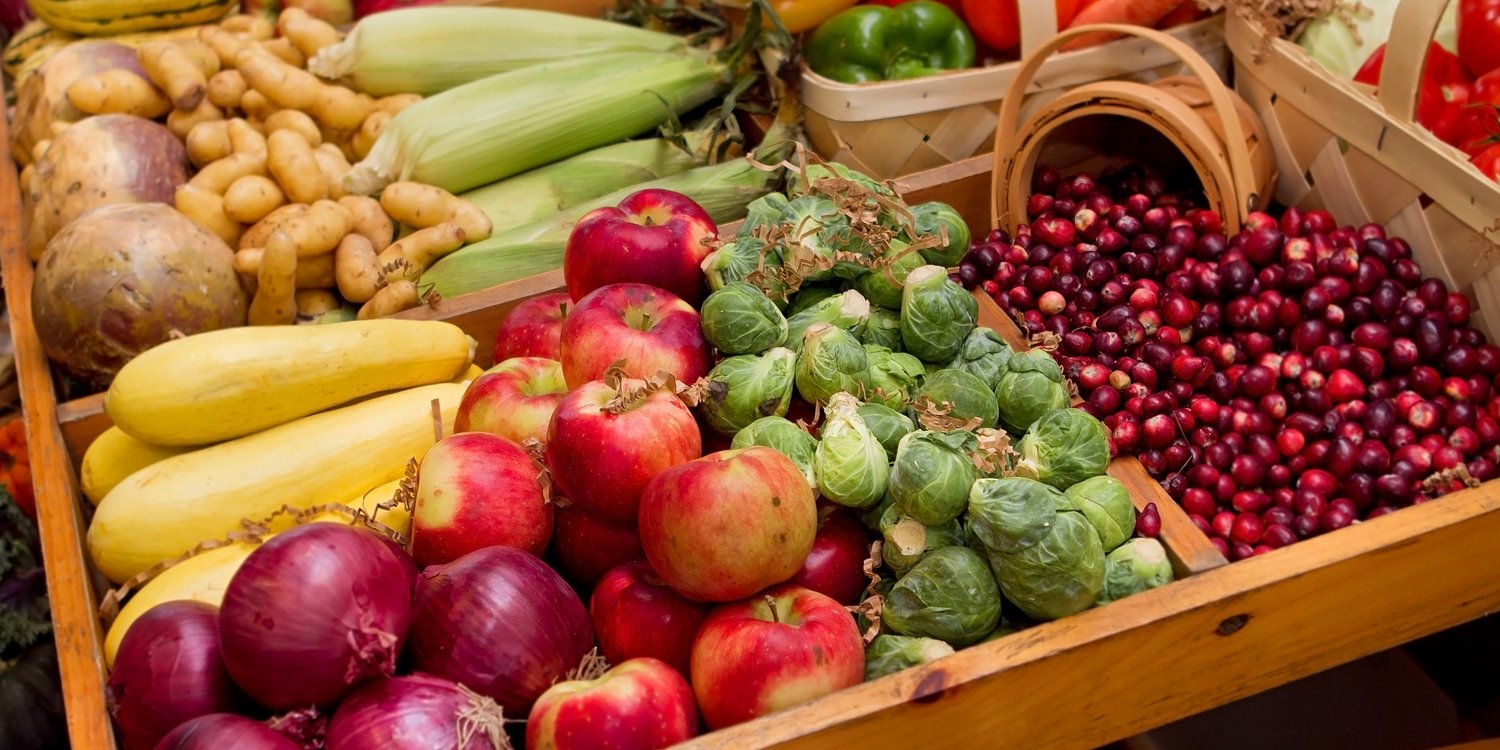
Fall harvest vegetables

Summer never seems to be long enough. One great thing about the changing of the seasons is the abundance of organic fruits and vegetables. Because they’re in season, not only are they fresher but often less expensive too. 

If you find yourself with too many organic blueberries, tomatoes, or blackberries, store them for winter with the time-honored methods of canning, dehydrating, and freezing. It’s the next best thing to picking them fresh!

Here are some helpful tips on food preservation methods.

Preserve Foods by Dehydrating

This is one of the original forms of food preserving. Used for fruits, vegetables, and even meats, dehydrating is easy, and the end product is lightweight and easy to store.

Bacteria, yeast, and mold cannot survive in the absence of moisture, making dried foods safe at room temperature. While dehydrating will slow down the enzyme activity of foods, it doesn’t eliminate it entirely.

In arid regions such as Southern California, people dry tomatoes outside in the sun with a screen kept over to deter insects. Try this technique in the humid Northeastern part of the United States, and you’ll get mold.

This is why a food dehydrator and kitchen oven are the preferred tools for drying or dehydrating. While an oven works well, there are certain undeniable benefits to using a food dehydrator: It maintains a temperature that’s up to 50° lower than that of a kitchen oven. A dehydrator has a fan that circulates around the food, shortening drying time. A dehydrator also uses less energy than an oven.

Don’t expect dried foods to taste exactly like their fresh counterparts. Flavors, colors, and textures will intensify. When reconstituting dried fruits and vegetables, remember to save the soaking water. It’s full of B vitamins and minerals and can be added to chilis, risottos, sauces, and soups.

Dehydrating Tomatoes

  1. Cut tomatoes into halves, strip, or slices. Pieces should be no thicker than 1/4 inch. Remove the seeds for a faster drying time and more flavorful end product.
  2. Place the tomato pieces skin-side down on dehydrator trays or on baking sheets lined with parchment paper. Be sure that none of the tomato pieces touch one another.
  3. If using a dehydrator, set it to 135°. Dry tomatoes for 8 to 14 hours. (The time will depend on the thickness of the pieces.)If using an oven, set it to its lowest temperature (generally somewhere between 140° and 150°). Place the baking sheets in the oven. Dry tomatoes for 6 to 12 hours. (The amount of drying time will depend on the thickness of the pieces.) Move the baking sheets around at least once during drying time. There should be no moisture along the break line when a tomato piece is cut in half.
  4. When tomatoes are done, remove them from the oven or dehydrator. Let cool to room temperature. Transfer to tightly sealed jars or containers.
  5. When ready to reconstitute the dried tomatoes, place them in a heatproof bowl. Pour boiling water over and let soak for 15 minutes. Drain and use as desired. Save the soaking water in the fridge or freezer for soups, sauces, or even pasta cooking water.

Freezing to Preserve Foods

This is probably the easiest and most convenient method of preserving. Here are some tips and tricks to keep in mind.

  • When using plastic bags for freezing fruits and vegetables, select those that are thicker and have a zipper seal. Regular plastic bags tend to be too thin to protect food from freezer burn, according to Leda Meredith, author of Preserving Everything.
  • Other options include freezer-safe containers made from stainless steel or thick glass; they won’t crack in the freezer and are BPA free. Meredith recommends wide-mouth canning jars with straight sides and no narrowing at the neck. Leave some head space at the top of the jar before freezing, since water in the food will expand.
  • When freezing berries or sliced fruits and vegetables, spread them in a single layer on a baking sheet. Place the baking sheet in the freezer for 1 to 2 hours. Remove and transfer the frozen produce to freezer containers or plastic zipper bags. This method helps the items stay loose and not freeze into a single block.
  • When freezing leafy greens, such as kale, chard, spinach, and collards, blanch first. To do so, bring a large pot of water to boil. Wash the greens. Add them to the boiling water and stir for 1 to 2 minutes. Drain in a colander and immediately run cold water over or transfer the greens to a bowl full of ice water. When the greens have cooled completely, drain again. Squeeze as much liquid out as you can. Chop the greens and transfer them to freezer containers or plastic zipper bags.
  • To prevent freezer burn, minimize the air that comes in contact with the food. To do this, press the plastic bag as flat as possible before zippering it closed. Store foods deep in the freezer and not on the freezer’s door shelves, which tend to have the warmest temperature and can contribute to freezer burn.

For more information on how to can, culture, pickle, freeze, ferment, dehydrate, and more, check out Preserving Everything by Leda Meredith ($19.95, Countryman Press, 2014).

Preserving Everything by Leda Meredith ($39.95, Countryman Press, 2014)

Contributor

The Taste for Life Staff

The Taste for Life staff come from a wide variety of backgrounds and specialties. We believe learning is a life-long process, and love to share the knowledge we gain.

Ayurvedic Beauty

By Jane Eklund

What’s the best way to get the best skin? According to an ancient wellness practice, it’s all about figuring out your dosha.

Ayurvedic Skin Care

Ayurveda, which translates to “life knowledge” or “science of life” in Sanskrit, goes back thousands of years in India. A holistic approach guided by the mind-body connection, it’s based on the idea that wellness comes from a balance of mind, body, and soul.

The way to achieve that balance is to first identify your dosha, or inner energy. There are three doshas–vata, pitta, and kapha–and people can be one type, a mixture of two, or, in rare cases, a blend of all three. Once you’ve identified yours, you can tailor your skin care (and other healthcare) regimens to it. To figure out whether you correspond to vata, pitta, or kapha, you can consult an ayurvedic practitioner, try an online test or two, or read up on ayurveda. Here’s a quick summary from www.VictoriaHealth.com.

What is Your Dosha?

Add Up Your Dosha Score
  Vata (Air & Space) Kapha (Earth) Pitta (Fire & Water)
Body small, light, doesn’t gain weight easily large, gains weight easily medium frame
Hair dry, frizzy thick, wavy, tends toward oily fine and straight, usually sandy, red, or blonde
Skin dry, rough with small pores oily, large pores, acne-prone fair, soft, sensitive; tendency to rashes, acne, liver spots, rosacea, or pigment disorders; sun-sensitive
Hunger irregular easy to skip meals good digestion; thirsty, likes cold food
Sleep light sound little, but sound
Walks quickly steadily swiftly
In Balance tends to be imaginative, flexible, vibrant affectionate, compassionate, and emotionally even-keeled dynamic and passionate, intelligent, perceptive, and highly efficient
Out of Balance tends to become tired, restless, worried lethargic and complacent; may gain weight; skin looks dull and oily tends to be over-critical of others; often too intense and competitive

Skin Care for Each Dosha

​Next, work with your dosha when you’re caring for your skin.

  • Vata

    ​Vata skin is delicate, dry, and sometimes flaky, with premature wrinkles. Cleanse it with a gentle oil or balm. Look for moisturizing products that contain essential fatty acids: coconut, almond, sesame, and olive oils and shea butter and honey. Keep skin hydrated by making sure the diet contains plenty of healthy fats like nuts, avocados, and fatty fish.

  • Kapha

    ​Kapha skin is smooth and moist, but can be prone to oiliness and clogged pores, and may be dull and pale. Use gentle cleansers for deep cleaning and exfoliation on alternate days. Look for light, nourishing moisturizers that contain energizing herbs including rosemary, yarrow, peppermint, lemon, orange, and sesame. Eat spicy foods that invigorate the skin: garlic, ginger, chili, and apple cider vinegar.

  • Pitta

    Pitta skin is clear and glowing, but may sometimes be irritated. It’s easily sunburned, and can have freckles and moles—and blocked pores on the forehead, nose, and chin. Choose skin care products with ingredients designed to calm, balance, and hydrate. Good options are coconut, sunflower, grape seed, lavender, rose, tea tree, neem, sandalwood, and thyme. Eat plenty of cooling foods like cucumber, zucchini, watermelon, pears, and cantaloupe.

“Ayurvedic Beauty” by Jo Fairley, www.VictoriaHealth.com 

“Our Dosha Test Will Help You Find the Right Food and Beauty Regimen: Everything You Need to Know About Working Ayurveda into Your Beauty Routine” by George Driver, Elle India, http://elle.in, 5/15/18

“What Is Ayurveda? The Tips, Skin Care Quiz & Massage Techniques” by Gregory Allen, www.GlamourMagazine.co.uk, 9/12/17

Contributor

Jane Eklund

Jane has a rich, diverse background in both literary and journalistic writing, including book reviews, poetry, and history.

Health Benefits of Beets

Tips and Tricks for a Nutritional Powerhouse

By Claire McCarthy

Here are some great reasons to bring beets into your home (with the greens intact!) and try out some of our favorite beet recipes.

Basic Beet Nutrition

Beets, also known as Beta vulgaris rubra, have earned their reputation.

Even research scientists are digging it: nitrates make this superfood a superstar within scientific research.

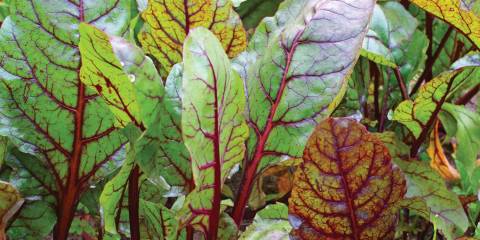
There are two parts of the plant: the root and the greens.

  • Is Beetroot Nutritious?

    The beetroot is, after all, a vegetable. By nature, it's comprised of essential nutrients.

    Beets are high in the following vitamins and minerals:

    • vitamins C
    • folate
    • vitamin B6
    • iron
    • manganese
    • magnesium
    • phosphorus
    • potassium
    • copper
    • nitrates
  • Are Beet Greens Nutritious?

    The leafy tops of beets are high in:

    • beta-carotene
    • iron
    • calcium

Using Beets for Health

  • Historical Uses

    Going nuts for the rooted one isn’t new. Its recorded popularity as a panacea dates back to ancient Rome when folk medicine practitioners used it as:

    • an emmenagogue (menstruation provoker)
    • a hemostatic (hemorrhage arrester)
    • a carminative (flatulence reliever)
  • Modern Uses

    Rich in nitrates, beetroot juice is often used by athletes to enhance bodily processes need to perform. However, almost anyone can benefit from them, especially due to its dietary nitrates.

    Inorganic nitrate naturally converts in the body to nitric oxide, which relaxes and dilates blood vessels.

    • For Energy and Endurance

      Opening vessels increases oxygen flow throughout the body and generates more energy. Nitric oxide increases blood flow both at rest and during athletic training. 

      Oxygen-rich blood has been found to reduce the amount of oxygen that muscles need to optimally function.

    • Cognitive Benefits

      Since nitrates help open blood vessels, beetroot juice increases blood flow to the brain, and this action supports cognitive health at any age.

    • Vascular Benefits

      Studies have demonstrated that dietary nitrate can help reduce blood pressure and inhibit platelet aggregation (clotting).

    • For Mitigating Other Issues

      The cardiovascular benefits of nitrates may help manage the symptoms and effects of broader health issues.

      Because lack of oxygenation causes people with cardiovascular, respiratory, or metabolic diseases to struggle with daily living activities, beetroot juice might improve quality of life.

      • Endothelial Dysfunction

        Endothelial dysfunction, caused by reduced production of nitric oxide in the body, causes blood vessels to constrict.

        Nitrates have also been shown to preserve, and sometimes improve, narrowing vessels.

      • Peripheral Artery Disease

        Dietary nitrates have been shown to enhance exercise performance for those with Peripheral Artery Disease, which narrows the arteries.

      • Heart Failure

        Certain heart failure patients may benefit from a beetroot juice supplement.

        New research showed that those with reduced ejection fraction who took the supplement saw significant increases in how long they could exercise as well as peak power and peak oxygen uptake during exercise.

        No negative side effects were seen from the beetroot supplement.

        What is Reduced Ejection of the Heart Muscle?

        Reduced ejection fraction means that the heart muscle doesn’t contract effectively and doesn’t provide sufficient oxygen-rich blood to the body.

        How Common is Reduced Ejection Fraction?

        Tens of millions of people have heart failure, and about half of them have reduced ejection fraction.

Precautions

  • Medications

    • Experts caution against replacing prescribed medications with dietary or supplemental efforts.
    • Certain meds, including nitroglycerine, may interact with a high-nitrate diet.
  • Kidney Health

    Beetroot can lead to kidney stones in some people.

  • Discolored Waste

    Be aware that consumption may temporarily give urine and stool a pink or violet color, but this is not dangerous.

Our Favorite Beet Recipes

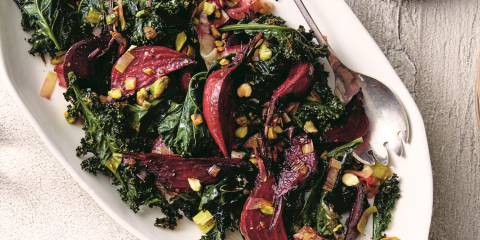
You can't talk about how great beets are, without bringing up their versatility.

Chop them, toss them, cook them, blend them—they're still good, and good for you!

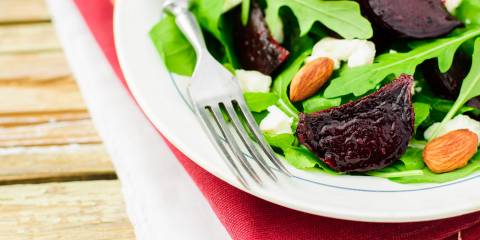
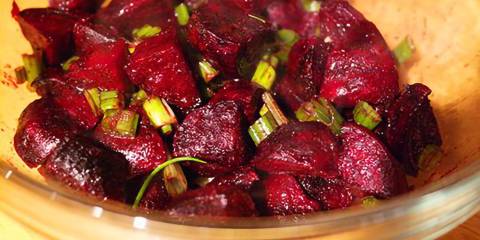
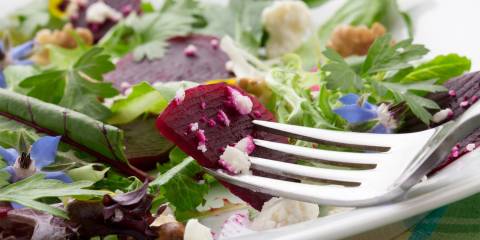
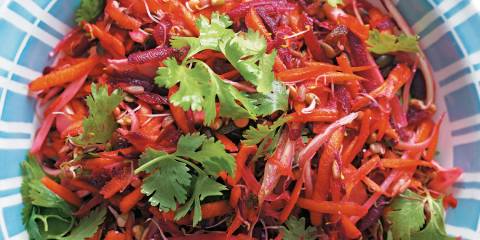
Beets in Salad

Add some color, flavor, and nutrition to any salad by using beets.

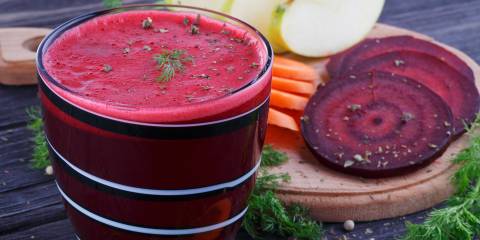
Beets for Detox

Beets can play a role in your detox regimen.

Contributor

Claire McCarthy

Claire is a seasoned writer and editor with 25+ years of experience across print, broadcast, and digital media. Her work has appeared in outlets like The Boston Globe, L.A. Times, and New York Post. She holds an M.S. in Broadcast Journalism from Boston University and honed her craft at four Boston TV stations.

In addition to writing, Claire has taught communication skills to corporate clients, delivered professional talks on human development, and even ventured into stand-up comedy—leading to paid gigs on humor in the workplace.

The Taste for Life Staff

The Taste for Life staff come from a wide variety of backgrounds and specialties. We believe learning is a life-long process, and love to share the knowledge we gain.

Lose Sugar, Lose Weight

How to Cut the Habit in 8 Steps

By The Taste for Life Staff
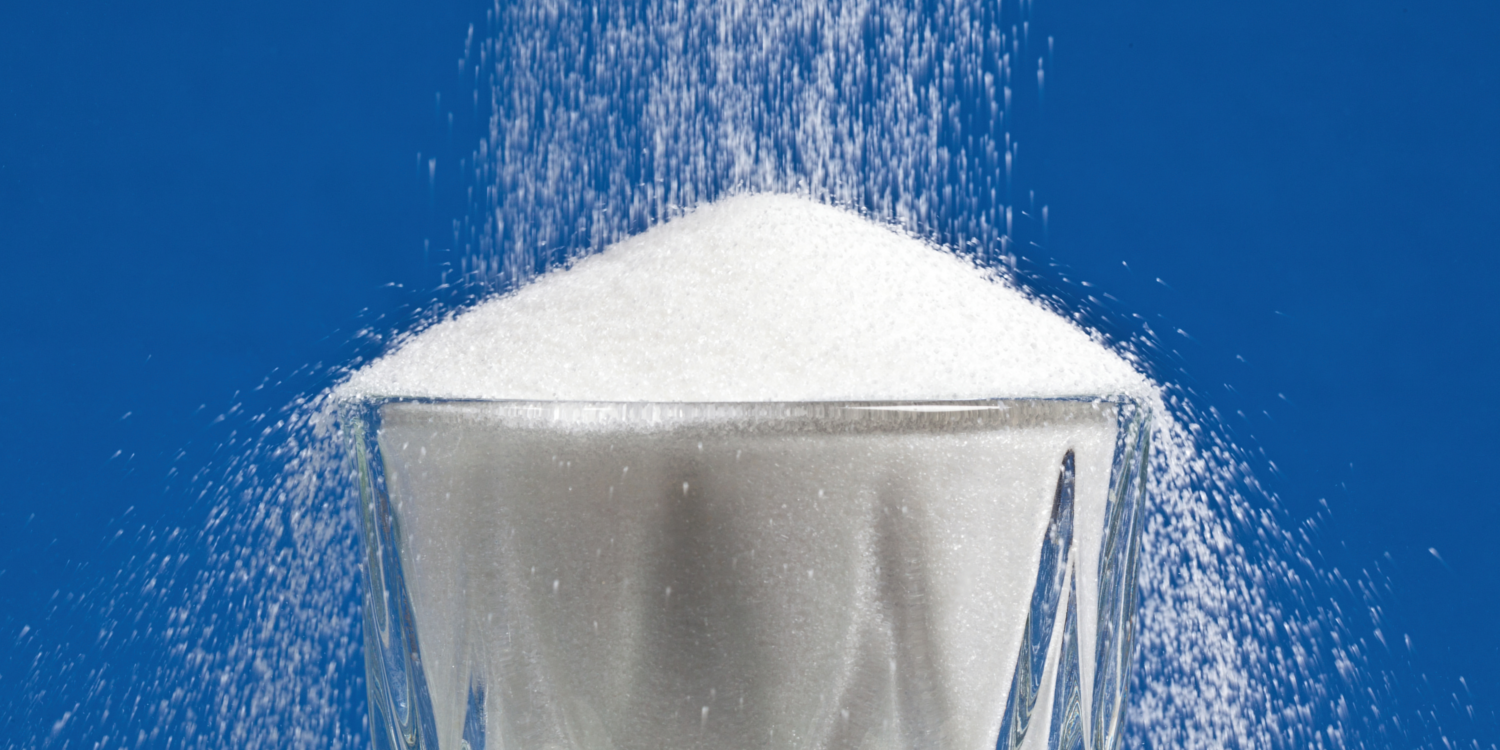
Sugar pouring

The human body only needs about two teaspoons of sugar in the bloodstream at any one time. Indulging in sugar stimulates the appetite and strengthens cravings. Given how addicting sugar is, is it any wonder overweight and obesity have reached epidemic proportions in this country?

Sugar has been linked to almost every health problem: cancer, cardiovascular disease, Type 2 diabetes, hypoglycemia, and impaired immunity, as well as adrenal gland exhaustion, behavior problems, candidiasis, fatigue, hyperactivity, faulty digestion, mood swings, and tooth decay.

Cutting out sugar and artificial sweeteners will not only make you feel better, it will quickly flatten your belly, says nutritionist Ann Louise Gittleman, PhD, CNS. “You will be motivated by instant, measurable results.”

Here are eight simple ways to help you reduce or even end your sugar habit.

8 Quick Tips for Ditching Sugar

  • Use Stevia Instead

    If you don’t enjoy unsweetened foods, use a touch of the sweet herb stevia.

    Stevia is 250 times sweeter than sugar—and calorie free, so it won’t spike blood sugar or cause dental decay. But watch out: a little goes a long way!

  • Go Easy on The Carbs

    Avoid processed carbohydrates such as white bread and white pasta.

    These are quickly converted to sugar in the bloodstream, disrupting the body’s metabolic balance and fat-control systems.

  • Eat Whole Foods

    Fruits and vegetables, legumes, nuts, and whole grains contain some naturally occurring sugars, but they also offer dietary fiber and important nutrients to help balance blood sugar.

    The more natural, the better. Choose an orange, rather than orange juice. Not only will you get less sugar, but you’ll benefit from more nutrients.

    Eggs, poultry, and fish are also healthy choices.

  • Increase Fiber Intake

    For the body to function well, it needs at least 25 grams of fiber daily.

    An easy way to boost fiber intake is to mix one teaspoon of psyllium to a glass of water with a splash of cranberry or pomegranate juice a half hour before breakfast or retiring for the night.

    “Psyllium is a naturally occurring bulking agent with no side effects—unless you have a rare allergy to the plant,” says nutritionist Nan Kathryn Fuchs, PhD.

    “Because it contains no artificial sweeteners, sugar, or potentially harmful chemicals, it’s safer than other over-the-counter bulking agents.”

  • Dilute Your Juice

    If you must drink juice, dilute it with water.

  • Beware of Fat-Free Labels

    These foods actually contribute to health and weight problems.

    What the labels don’t tell you is that these products contain more sugar—sometimes two or more times that found in the “regular” versions!

  • Consider Supplements for Cravings

    Relieve sugar cravings by supplementing with chromium and L-glutamine, which help stabilize blood sugar (and may also contribute to healthy weight loss).

    The Ayurvedic herb gymnema (known as “the sugar destroyer” because it inhibits your enjoyment of sweets) balances blood sugar levels, while supporting weight loss.

  • Learn Alternate Names for Sugar

    Become a food detective. Keep an eye out for other names you might see on a label:

    • cane juice
    • caramel
    • corn syrup
    • dextran
    • dextrose
    • fructose
    • fruit concentrate
    • fruit juice
    • glucose
    • high-fructose corn syrup
    • invert sugar
    • lactose
    • malt syrup
    • maltodextrin
    • maltose
    • mannitol
    • molasses
    • raw sugar
    • refiner’s syrup
    • sorbitol
    • sorghum syrup
    • sucrose
    • yellow sugar
Contributor

The Taste for Life Staff

The Taste for Life staff come from a wide variety of backgrounds and specialties. We believe learning is a life-long process, and love to share the knowledge we gain.

Don't Miss a Thing!


Get the latest articles, recipes, and more, when you sign up for the tasteforlife.com newsletter.

Hot Product