Tips for Healthy Grilling

By Lisa Fabian

Grilling can be a healthy way to enjoy food. Just look at our favorite summer grilling recipes!

But when meat, poultry, or fish are grilled at high temperatures, chemicals known as heterocyclic amines (HCAs) are produced. Research shows that these may pose a cancer risk.

But there’s no need to put away the grill! Follow these easy tips to help minimize risk.

Safe Grilling Tips

  • Clean Before and After

    Burn off any residue on the grill grates both before and after grilling by scrubbing it away with a stiff-bristled grill brush.

  • Skip The Fat and Cook Slowly

    Choose lean meat cuts and trim excess fat. Cook large cuts slowly and at a lower temperature.

  • Use Marinades on Your Meat

    Marinades can decrease HCA formation by more than 90 percent. Some of the ingredients in marinades even act as protective antioxidants.

How to Tell When Grilled Foods are Ready

Before removing food from the grill, measure its temperature:

  1. Insert a food thermometer into the thickest part of the cut.
  2. Make sure the thermometer’s not touching any bone, fat, or gristle.

FDA Safe Temperature Minimums

Here is a listing of minimum safe temperatures, as determined by the FDA.

FDA Minimum Safe Temperatures
Food Temperature
Chicken breasts and whole poultry 165°F
Ground meat 160°F
Fish 145°F
Beef steaks and roasts 145°F
Lamb steaks, ribs, or leg 145°F
Pork 145°F

The Good Housekeeping Test Kitchen Grilling Cookbook ($29.95, Hearst Books, 2013)

Check out our favorite grilled recipes!

You must understand that we take these things very seriously. You won't be let down!

Contributor

Lisa Fabian

Contributing Editor

Lisa Fabian is an award-winning freelance writer with more than 25 years of experience in the publishing industry. She's enjoyed covering topics as diverse as arts and crafts, boating, food, and health and wellness.

Kids’ Hydration Guide

Keep Kids Safe in The Summer Heat

By The Taste for Life Staff

Playing outdoors is one of the joys of childhood. It’s so much fun, in fact, that kids often can’t be bothered to stop for a drink of water.

Dehydration in Children

Children’s bodies don’t adjust as well to high temperatures as they will later in life, so the risk of dehydration, heat exhaustion, and heat stroke is greater for children.

The younger the child, the greater the risk.

Very young children may not have the language skills to explain what’s causing them discomfort when they’re thirsty, and at that age they are not usually in control of whether they stay outside or go in.

Even older children and teens may become so involved in a game that they don’t realize how thirsty they have become.

Signs of Dehydration

Children aren’t likely to recognize the warning signs of dehydration—they’re too busy having fun. So it’s up to parents, coaches, and caregivers to monitor them and watch for the warning signs before trouble occurs.

Keep an eye out for:

  • unsteadiness
  • dizziness
  • nausea
  • headache
  • tiredness
  • flushed skin
  • confusion
  • cramps
  • irritability

In addition, children may take fewer bathroom breaks (or have fewer wet diapers).

Treating Dehydration

  • Take Shelter

    If you notice any symptoms of dehydration, take the child out of the sun and into a cool place as soon as possible.

  • Rehydrate

    Encourage the child to sip cool liquids. Water is a great choice.

    According to one study, orange juice remains in the body slightly longer than water, and three other liquids—fat-free milk, whole milk, and an oral rehydration solution—stay in the body considerably longer than water.

  • Avoid Soda

    Never give a dehydrated kid soda: caffeine and sugar drain water from the body.

When to Hydrate, and How Much to Drink

Heat-induced illness is preventable, says the American Academy of Pediatrics (AAP).

Children should drink plenty of fluids before, during, and after playing or exercising.

  • For periods of time under an hour, water is usually sufficient.
  • If children are playing or exercising for longer, try an electrolyte drink like a low-sugar sports drink or electrolyte tablet added to water.

One DIY electrolyte option is a chilled serving of coconut water. 

Other Tips for Staying Cool

  • Beat the Sun and Heat

    Have children practice sports early in the day, before the heat builds, or later, when it’s cooler.

  • Dress Lightly

    Dress them in lightweight, light-colored clothing.

  • Get Acclimated

    Young athletes should acclimate to the heat over the course of two weeks by engaging in workouts that slowly increase in intensity and duration.

    For sports that require bulky equipment, children should practice in light clothing for several days to get acclimated, and avoid heavy gear on hot days.

  • Drink Up!

    On hot days, children engaged in sports need a drink about every 20 minutes.

    The AAP recommends at least 5 ounces for those under 90 pounds and 9 ounces for those weighing more than 130 pounds. (One ounce equals approximately two kid-size gulps.)

“How much water do you need?” The Nutrition Source, Harvard T.H. Chan School of Public Health, 2/26/25

A randomized trial to assess the potential of different beverages to affect hydration status: Development of a beverage hydration index” by R.J. Maughan et al., The American Journal of Clinical Nutrition, 3/16

Contributor

The Taste for Life Staff

The Taste for Life staff come from a wide variety of backgrounds and specialties. We believe learning is a life-long process, and love to share the knowledge we gain.

Keep Your Skin Hydrated This Summer

By Kelli Ann Wilson

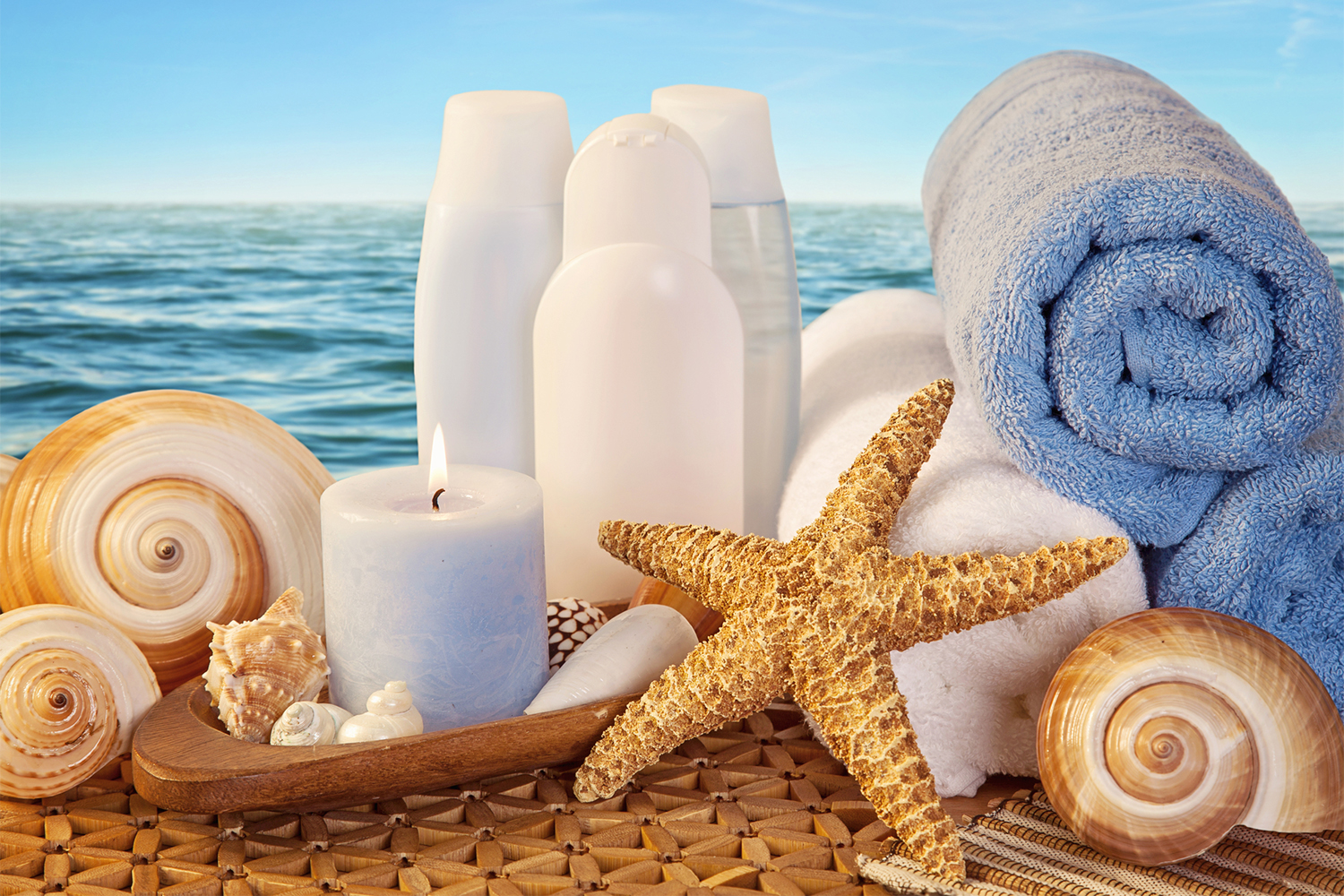
Summer is finally here, and chances are your skin is going to be on display — no more hiding under bulky sweaters.

Here are some tips to keep your skin looking its best for the beach, the barbeque, and beyond!

How to Keep Skin Hydrated

  • Be Careful Cleaning

    It may seem counter-intuitive, but water can rob skin of moisture. Even frequent dips in the pool can cause dryness.

    • Limit Baths and Showers

      This is especially true of very hot water or long showers and baths. It’s best to limit daily shower and bath times to 5 or 10 minutes and use warm — not hot— water.

    • Choose Soap Wisely

      Choose soaps and body washes carefully, as some ingredients can make dry skin worse. Look for gentle, fragrance-free formulas, and avoid products that contain alcohol.

    • Consider an Oat Bath

      One tried-and-true remedy to consider is oats, which contain chemicals called avenanthramides that ease inflammation and redness.

      A great way to maximize oats’ itch-relieving properties is to grind or blend old-fashioned oats and then add to running water as the tub fills. A 15-minute soak should provide relief.

      Commercially prepared oat bath products are also available.

  • Moisturize and Repeat

    Slathering moisturizer on dry skin may be an obvious solution, but most of us don’t moisturize enough for the products we use to be effective—once a day isn’t enough.

    Experts suggest up to six applications a day for true protection, which means keeping moisturizer handy or investing in duplicates to stash around the house, office, and anywhere else you might need them.

    Always apply moisturizer immediately after washing.

    Choosing a Moisturizer

    Not just any moisturizer will do, and there are two vocabulary words to learn in order to choose the right product for your needs: emollient and humectant.

    • Emollients

      As cells age, crevices form between them. Emollients help these cells hold together better, and give skin a “slippery” feeling. Jojoba oil is an example of an emollient that is commonly found in moisturizers.

    • Humectants

      Humectants pull moisture from the air onto the surface of your skin, increasing hydration. Hyaluronic acid is one of nature’s best humectants, so look for it in the ingredients list.

    • Thick Soothers

      If your skin is very dry or damaged, look for thicker ingredients such as cocoa or shea butter and beeswax.

  • Nourish From the Inside Out

    • Fluid Intake

      Dehydration can be an issue in the summer, so it’s important to be mindful of fluid intake.

      Aim to drink eight cups of water each day to keep your skin looking and feeling its best. It also helps the body clear toxins.

    • Essential Fatty Acids

      Essential fatty acids — commonly found in fish, nuts, and seeds — can help ensure skin stays soft and smooth by protecting it from environmental damage.

      Research suggests that regular supplementation with flaxseed or borage oil can boost skin moisture and soothe rough, scaly patches.

7 Tips to Soothe Your Dry, Itchy Skin,” WebMD, 6/11/16

Dermatologists’ Top Tips for Relieving Dry Skin,” American Academy of Dermatology

Dry Skin,” by Mayo Clinic Staff, 10/27/16

Natural Beauty by Rebecca Warren, ed. ($25, DK Publishing, 2015)

Contributor

Kelli Ann Wilson

Associate Editor

Kelli Ann Wilson is Associate Editor at Taste for Life magazine. In her free time she enjoys reading, writing, photography, gardening, and spending time with her husband and two kids.

Dental Care for Overall Health

The connection between your mouth and overall health.

By The Taste for Life Staff

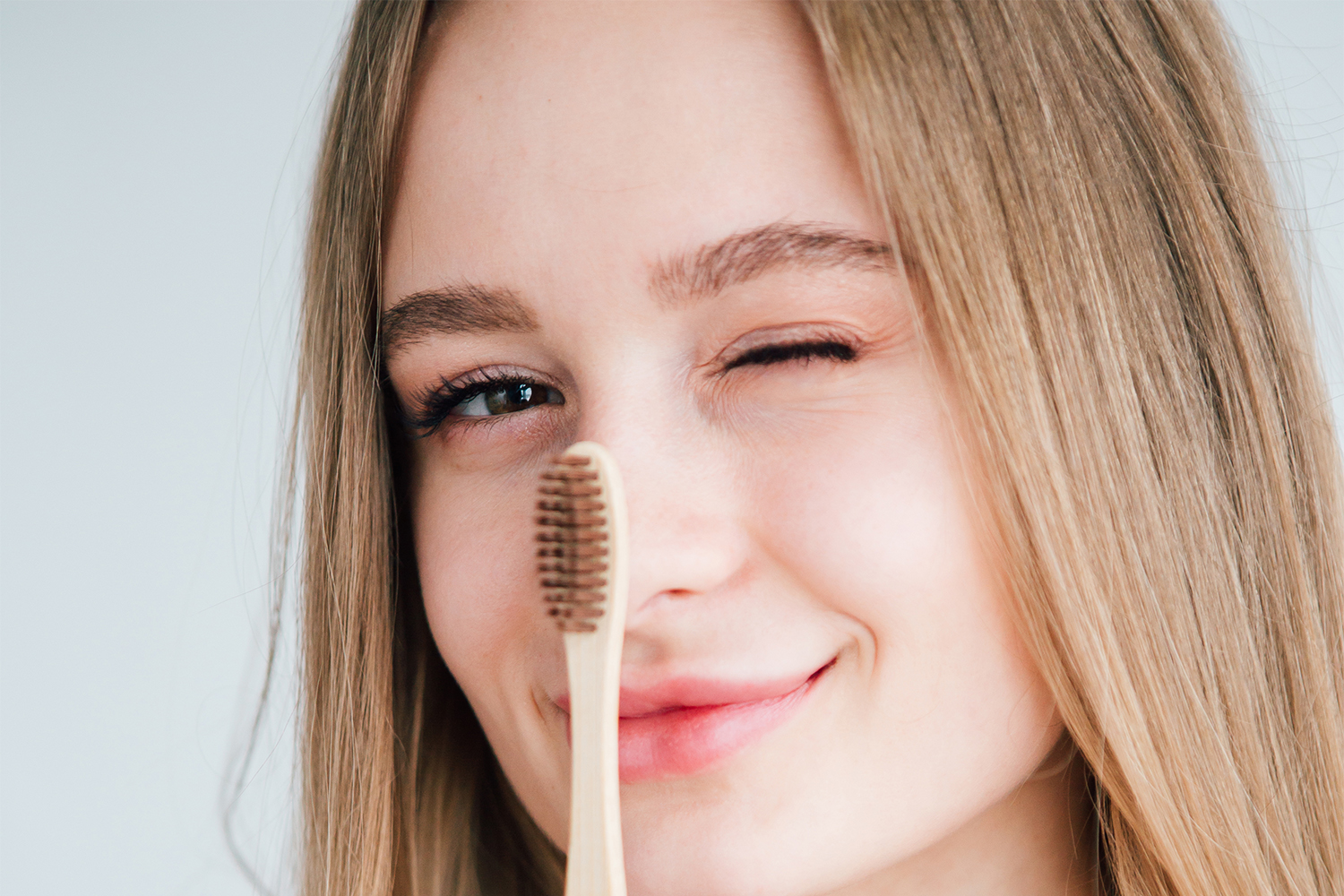
Dental health is far more than just pearly whites—healthy gums hold those pearls in place. Periodontitis, or periodontal disease, causes loss of teeth and other health problems.

"About 300 diseases and conditions are linked in some way to oral health," Dr. Brittany Seymour, an associate professor of oral health policy at the Harvard School of Dental Medicine, told the Harvard Women's Health Watch newsletter.

Bacteria and inflammation can travel from the mouth, enter the bloodstream, and reach distant areas in the body.

It all starts with gingivitis.

The Onset of Gingivitis

This early stage of gum disease makes gums puffy and red, and may cause bleeding, bad breath, and loose teeth.

Many people think of it as an adult problem, but gingivitis is common in children, who may not brush thoroughly, and teens, whose busy lifestyles interfere with regular brushing.

Early and Regular Treatment

Gingivitis is easily treated with daily flossing and brushing along with regular professional cleanings.

Ongoing Risks

Left untreated, more advanced forms of periodontal disease develop, with serious health implications, finds Tom McGuire, DDS, founder of the Dental Wellness Institute.

  • Cardiovascular Disease

    Older adults with high levels of "bad" bacteria in the mouth also tend to have thicker carotid arteries, implicated in stroke and heart attack.

  • Maternity

    Moms with periodontal disease are more likely to deliver premature and underweight babies than women with healthy gums.

At-Risk Groups

  • Diabetes and Periodontitis

    Diabetes raises a person’s risk for gum disease, and conversely, gum disease seems to worsen diabetes.

    One 2020 study estimated that people with diabetes who had severe gum inflammation could reduce damage to their kidneys, eyes, and nerves by about 20 percent with improved gum care.

  • Rheumatoid Arthritis

    People with this disease are more likely to have gum disease than healthy subjects, researchers say.

Oral Health, Naturally

Practice good oral hygiene and eat a plant-based diet.

  • Diet

    Drink plenty of water and eat whole foods, including fresh fruits and raw vegetables that give your teeth and gums a workout.

    If bad breath is a concern, try unsweetened yogurt. A small Japanese study found that it reduces compounds that cause bad breath and reduces plaque.

    For snacks, eat raw veggies, cheese, or fruit as opposed to processed starchy or sugary snacks that leave acids that attack tooth enamel for up to 20 minutes.

  • Hygiene

    Tartar sits on the gum line, creating pockets where bacteria thrive. Under the tooth, these pockets lead to inflammation, infection, tooth loss, and eventual destruction of the bone and connective tissue.

    Regular professional cleanings and daily floss-and-brush routines prevent gingivitis.

  • For Smokers

    Avoid tobacco, and if you still smoke, stop. It increases your risk for periodontal disease, as well as oral cancers and fungal infections.

"7 things your dentist wants you to know"& by Maureen Salamon, Harvard Women's Health Watch, 1/23

Contributor

The Taste for Life Staff

The Taste for Life staff come from a wide variety of backgrounds and specialties. We believe learning is a life-long process, and love to share the knowledge we gain.

Physical Benefits of Creatine

A Natural Way to Boost Strength and Stamina

By Alan Siddal

What is Creatine?

Creatine is an amino acid found naturally in your body.

It’s been shown to help build muscle and strength, especially when used in combination with resistance training.

Recent studies suggest that creatine may also support improved cognition.

Benefits of Creatine

  • Boosted Endurance

    Creatine may help to improve sports performance by supporting stamina and strength, making it possible to work out longer and at a higher intensity—especially when lifting weights, sprinting, or performing other actions that require short but powerful bursts of effort.

    For example, one 2021 study determined that creatine led to increases in both low-speed and high-speed strength, maximal work output, sprint performance, and fat-free mass.

  • Reduced Injury Risk and Quicker Recovery

    Creatine has been shown to reduce cramping.

    Some research has found a link between creatine and a reduced risk of muscle and joint injuries.

  • Bonus Benefits for your Brain

    Emerging research suggests that supplementing with creatine may support enhanced memory performance in healthy people, particularly older adults.

    One recent review found that participants who supplemented with creatine performed better on tests of memory than those that received a placebo.

    Another recent study found that participants who supplemented with five grams (g) of creatine for six weeks experienced a small, but beneficial, improvement in cognitive performance.

Timing Creatine Supplementation with Exercise

One recent study found that taking creatine after exercise may produce more benefits than taking it before, but the evidence wasn’t particularly strong.

Is Creatine Right for You?

  • Creatine for Vegetarians

    Most of the creatine in our diets comes from meat or seafood. Vegans and vegetarians might need a boost.

    Researchers evaluated nine studies concerning creatine levels in vegetarians.

    The researchers determined that supplementation helped increase lean tissue mass, muscular strength, and muscular endurance in participants.

    “Overall, it appears vegetarian athletes are likely to benefit from creatine supplementation,” wrote the authors of the review, which was published in the International Journal of Environmental Research and Public Health.

  • Other Notes and Precautions

    • Safety Concerns

      Creatine monohydrate is the safest and most extensively researched form of the supplement, even at higher doses (a typical dose is 3 to 5 grams per day).

    • Weight Gain

      One common side effect of creatine supplementation is weight gain, but it tends to be due to an increase in muscle, and not fat.

    • Dehydration

      Creatine draws water to the muscles from the rest of the body, potentially causing dehydration.

      It’s important to drink plenty of water when supplementing with creatine.

Contributor

Alan Siddal

Staff Writer

Natural Solutions for Thinning Hair

By Kelli Ann Wilson

Hair loss and thinning hair can affect both men and women as they age.

What Causes Hair Loss?

It all comes down to testosterone levels.

While up to a quarter of men see their hair starting to thin by the time they’re 30, women have protection from hair loss in their younger years when their estrogen production is at a lifetime high.

But as they approach menopause, women’s estrogen levels can plummet, leaving them vulnerable to the effects of dihydrotestosterone (DHT).

DHT inhibits the normal function of hair follicles, resulting in thinner and fewer hairs and the condition called androgenic alopecia (AGA), also known as male pattern baldness.

Other Causes

While AGA accounts for up to 95 percent of hair loss, there are other causes. Hair loss can be triggered by:

  • weight loss
  • stress
  • trauma
  • hormone imbalances

What's Considered Normal?

It can sometimes be difficult to tell what constitutes normal hair loss.

The consensus seems to be that shedding up to 125 strands of hair per day is normal, but more than that can be a problem, especially if the hairs aren’t being replaced.

Helpful Supplements for Thinning Hair

Certain supplements can help reduce the incidence and appearance of thinning hair.

  • Saw Palmetto

    An extract derived from the berries of the saw palmetto plant may be effective in blocking the enzyme that converts testosterone to DHT.

  • Omegas and Antioxidants

    A study of 120 women with hair loss found that supplementation for six months with omega-3–rich fish oil, along with:

    • black currant seed oil
    • vitamins C and E
    • lycopene

    ...reduced hair loss in almost 90 percent of subjects and improved hair density.

  • Zinc

    Zinc may play a role in preventing baldness, but don’t exceed 100 milligrams (mg) daily from food and supplements.

  • Silica

    Silica aids healthy hair growth—some experts recommend taking 3 mg of choline-stabilized, concentrated orthosilicic acid once or twice a day, up to a maximum of 6 mg.

The Complete Guide to Natural Homemade Beauty Products & Treatments by Amelia Ruiz ($24.95, Robert Rose, 2016)

“Effect of a Nutritional Supplement on Hair Loss in Women” by C. Le Floc’h et al., J Cosmet Dermatol, 3/15

Living Beauty by Lisa Petty ($21.95, Fitzhenry & Whiteside, 2006)

Natural Beauty by Rebecca Warren, ed. ($25, DK Publishing, 2015)

“This Supplement Combo Reduced Hair Loss in 90% of the Women Who Took It” by Jessica Chia, www.Prevention.com

Contributor

Kelli Ann Wilson

Associate Editor

Kelli Ann Wilson is Associate Editor at Taste for Life magazine. In her free time she enjoys reading, writing, photography, gardening, and spending time with her husband and two kids.

Tips for a Gladder Bladder

Natural Support for Incontinence, Blader Tone, and Urinary Issues

By Maria Noël Groves, RH (AHG)

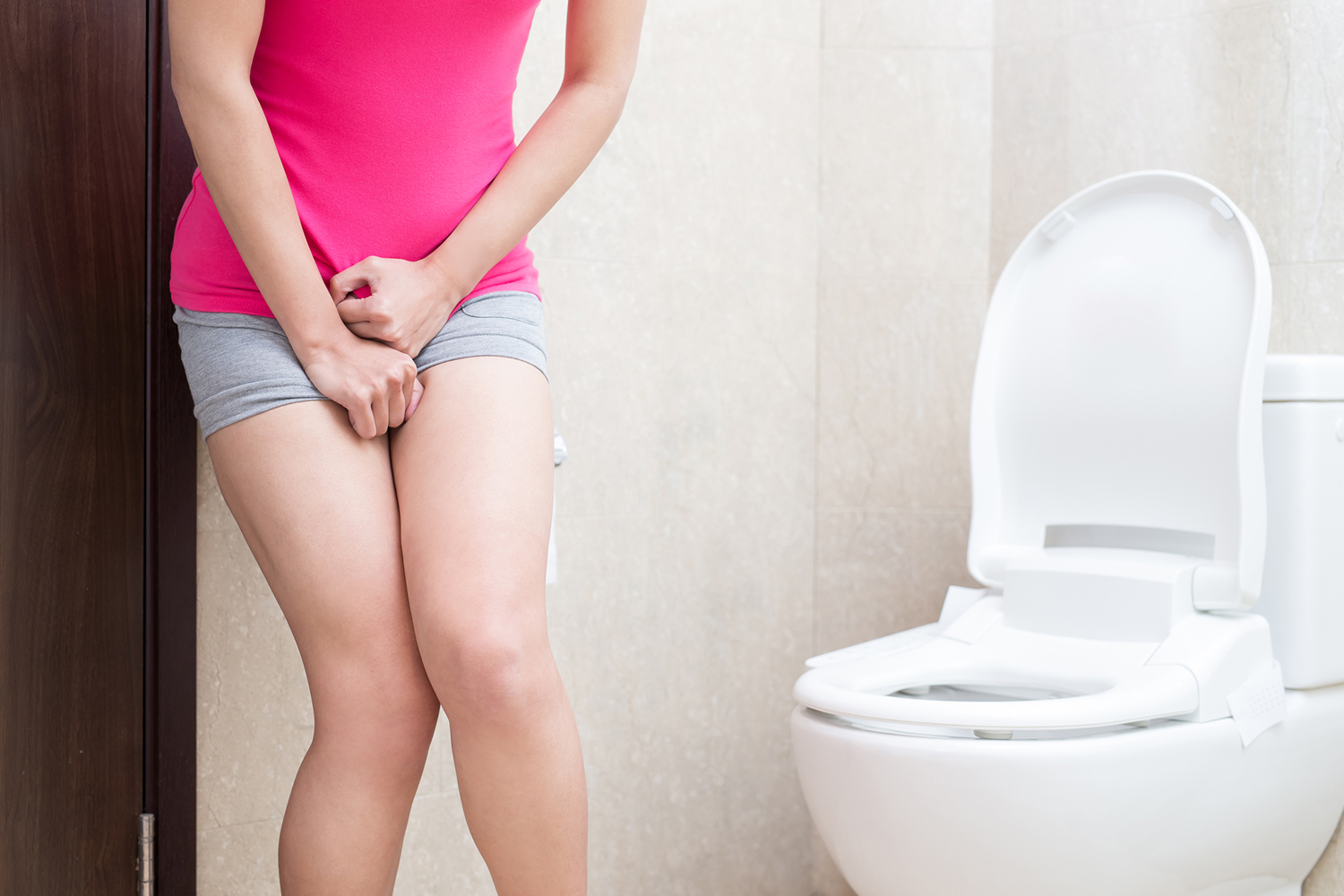
Hardly anyone admits it, but bladder problems affect many people. More than 60 percent of adult women in the US experience some urinary incontinence.

Women are more often affected by incontinence (exacerbated by vaginal births, reduced estrogen, menopause, weight gain, and age) than are men.

But men are not off the hook: Benign prostatic hyperplasia (BPH), prostate surgery, poor core engagement during activity (like running or lifting), as well as general inactivity also increase risk.

Natural options are often able to reverse or reduce incontinence symptoms. This can improve quality of life and the ability to continue desired activities without fear of leakage and frequent bathroom trips and helps elders maintain independence.

Pelvic Floor Physical Therapy (PT)

This therapy is often beneficial for most people with pelvic floor and urinary problems. An experienced therapist can assess and provide customized guidance, with improvements often seen within just a few visits.

Therapies may include bladder retraining, toning or relaxing exercises, and lifestyle guidance.

Stress incontinence, prolapse, overactive bladder, excess tension, or laxity may benefit from different approaches. In some situations, surgery may be necessary. However, “We see many people preoperatively who do so well with physical therapy that they decide not to do surgery,” says pelvic floor physical therapist Susan Ramsey, PT, who practices in Scarborough, ME.

A pelvic floor physical therapist also helps ensure that exercises like Kegels are done properly.

Ramsey recommends a pelvic floor therapist with at least five years of experience and advanced training through the American Physical Therapy Association, Herman and Wallace Pelvic Rehabilitation Institute, or Pelvic Global Academy, noting that out-of-pocket PT therapists may have greater flexibility to support clients with longer, customized appointments yet fewer overall visits.

Holistic Help

Natural remedies often approach urinary leakage and pelvic floor health via a few potential angles such as hormone support, nervous system tonics, gentle astringent and toning herbs, and nutrients for pelvic tissue tone.

Many of the natural options that treat BPH also help bladder symptoms in various ages and genders.

  • Pumpkin Seed Oil

    Pumpkin seed oil often produces improvements within a few days or weeks, with enhanced benefits over time.

    The oil may have specific effects for overactive bladder, nighttime urination, and tone, as well as 5-alpha reductase inhibition. Although 5-alpha reductase inhibition is best known for balancing androgen conversion in BPH, it also supports estrogen levels and excessive androgens in menopause and polycystic ovarian syndrome.

    Studies confirm the oil’s ability to reduce symptoms of overactive bladder, frequent and nighttime urination, as well as reduced bladder tone, BPH, and lower urinary tract symptoms.

    Many studies on BPH find pumpkin seed oil almost as effective as drug therapies, with minimal side effects. Research in menopause is limited but promising.

    One high-dose study (10 grams oil/day) in a mixed gender group of 45 people with overactive bladder found pumpkin seed significantly reduced the symptom score at 6 and 12 weeks, with total symptoms reduced to nearly 40 percent, and urgency score reduced by 93 percent.

    Of the few studies conducted on women, one that combined pumpkin seed oil with hops (estrogenic) and aromatic sumac bark (astringent) noted significant improvements in overactive bladder and incontinence. Many peri- and post-menopausal clients notice improvements with pumpkin seed oil pills.

    I also like combining pumpkin seed oil with 800 to 1,500 milligrams (mg) shatavari root pills long term in people who are also experiencing menopause-related symptoms like dryness, hot flashes, stress, anxiety, and insomnia.

    A typical daily dose is 500 to 1,000 mg of pumpkin seed oil.

  • Nettle Root / Saw Palmetto

    Nettle Root and/or Saw Palmetto also inhibit 5-alpha-reductase while improving bladder and pelvic floor health and urinary frequency.

    Nettle root, an easy-to-grow weed, is less common commercially but far more sustainable than saw palmetto berries (which have limited wild range in the southeast and are increasingly threatened by overharvesting, climate change, rural development, and adulteration).

    In one study, nettle root reduced urinary symptoms associated with BPH by 78 percent at three months and 91 percent at six months. Typical doses of the root extract are 600 mg twice daily or 300 mg three times daily long term.

    Many studies note that the best results occur with long-term use, with full benefits presenting between six and 12 months of use, maintained with continued use with a high degree of safety.

  • Mullein Root

    Mullein root has a reputation in the herbal community for pelvic floor and bladder tone.

    This is a different part of the mullein plant: the leaf is popular for lung health. It is often combined with horsetail (a silica-rich connective tissue support and diuretic herb) and other herbs.

    It’s rare to find mullein root commercially except via a few herb farms. According to herbalist Christa Sinadinos, founder and director of The Northwest School for Botanical Studies in Fieldbrook, CA, the roots of Verbascum thapsus and olympicum can be cultivated or wildcrafted and used to make tea or tincture.

    Be sure to rule out the toxic plant foxglove, which looks similar to mullein before they bloom.

  • Marshmallow / Corn Silk

    Marshmallow root or leaf and cornsilk are soothing, gently mucilaginous diuretics popular in tea blends for urinary irritation and sensitive bladder. They can be taken short term when needed or longer term for chronic states.

    Consider adding silica-rich nutritive herbs like oat straw or horsetail and gentle nervous system relaxants like holy basil or rose petals to the tea, suggests Ramsey, who is also a clinical herbalist.

  • Topical Estrogen Support

    One of the best recognized conventional therapies for menopause-related incontinence is doctor-prescribed topical estrogen cream.

    While few natural therapies have explored topical options for incontinence, a 2023 study on topical hops gel was as effective as estradiol for post-menopause sexual dysfunction.

Consult an Expert

Note: Frequent urination, incontinence, and/or uncomfortable urination can be caused by many situations that warrant different care, including:

  • diabetes
  • nerve problems
  • overhydration
  • electrolyte imbalance
  • urinary tract infections

Always consider visiting a doctor for assessment first.

An herbalist or naturopathic doctor may be able to provide customized natural medicine for your situation.

“Cucurbita pepo—Rhus aromatica—Humulus lupulus combination reduces overactive bladder symptoms in women . . .” by A. Gauruder-Burmester et al., Planta Medica

“Evaluation of Femaxeen for control of urinary incontinence in women . . . ” by S. Palacios et al., Maturitas, 3/20

“The impact of hormone replacement therapy on urinary incontinence,” Incontinence Institute, www.myconfidentlife.com, 9/19/23

Personal communication: Susan Ramsey, 9/24

“Pumpkin seed oil (Cucurbita pepo) versus tamsulosin for benign prostatic hyperplasia symptom relief . . . ” by N. Zerafatjou et al., BMC Urology, 10/21

“Urinary incontinence” by S.W. Leslie et al., StatPearls, 8/11/24

Contributor

Healthy Pet: Repel Pests Naturally

Protect your pets from ticks and fleas.

By The Taste for Life Staff

Keeping Fleas Under Control

  • Comb Regularly

    Whenever fleas are a problem, combing with a flea comb removes shedding hair along with these parasites and their eggs.

  • Spray with Neem

    Try spraying your pet and his bedding with natural products containing neem (gentle to pets but toxic to parasites) to prevent infestation. In addition to fleas, neem can help keep your dog free from ticks, lice, mites, flies, and mosquitoes.

  • ACV and Warm Water

    Another natural flea preventive is a homemade spray made of 50 percent apple cider vinegar and 50 percent warm water. For best results, use unfiltered, organic apple cider vinegar that has not been pasteurized.

    Fill a spray bottle with the solution and spray on your pet’s fur daily. Pay special attention to the base of the tail and behind the ears.

  • Herbal Shampoos

    A gentle herbal shampoo that helps repel fleas will contain ingredients such as:

    • bergamot
    • citronella
    • eucalyptus
    • geranium
    • juniper
    • lavender
    • neem
    • pine cedar
    • rosemary

Repel Mosquitoes & More

Diluted essential oils of peppermint and lavender are great for repelling insects.

Usage

First, apply oils to a small area of your pet’s skin to watch for negative reactions. Eucalyptus, lavender, rosemary, rose geranium, or citronella essential oil can also be applied to a heavy-duty woven nylon collar or a bandana.

Use an eyedropper to put one drop of 100 percent pure essential oil on the collar each week. If your dog seems to tolerate the smell, you can try two drops per week.

Precautions

Common sense precautions include always diluting essential oils in a carrier oil (such as grape seed or jojoba) before using them topically.

Do not use these collars on cats, as most essential oils are toxic to them.

Pregnant women should also avoid using undiluted essential oils.

How to Treat a Honeybee Sting

  1. Honeybees leaves their stingers behind. Gently flick the stinger away or remove it with tweezers.
  2. Rinse the sting with cider vinegar or strongly brewed chamomile tea.
  3. A drop of full-strength or diluted essential oil of chamomile or tea tree oil can be safely applied to a bite or sting on most adult dogs as long as you avoid the eye area.

Precautions

Do not use this disinfecting treatment on cats, very small dogs, or young puppies.

Contributor

The Taste for Life Staff

The Taste for Life staff come from a wide variety of backgrounds and specialties. We believe learning is a life-long process, and love to share the knowledge we gain.

Types of Headaches and Natural Relief

Find the remedy that works for you.

By Victoria Dolby Toews, MPH

To be human, it seems, means to have headaches. If the $4 billion Americans spend on over-the-counter (OTC) pain pills is any indication, a lot of us fend off headaches fairly regularly.

It's important to figure out which kind of headache you are experiencing, and find the right relief.

No matter what kind of headaches you get, headache experts find that clean living can go a long way in heading off future headaches.

You’ve heard it before, but it doesn’t hurt to review it:

  • get regular sleep
  • exercise regularly
  • eat healthy meals

Types of Headaches

Scientists classify headaches into three major categories:

  • primary headaches
  • secondary headaches
  • cranial neuralgias

Headache sufferers may also classify them into three categories: nasty, nastier, and with a nod to Bruce Springsteen, “freight train running through the middle of my head.”

Primary headaches include migraines, tension headaches cluster headaches, as well as others.

  • Tension Headaches

    The most common type, brought on by physical or emotional stress, are experienced by as many as 90 percent of adults.

    About 80 percent of headaches are tension headaches. These generally respond well to OTC pain medications such as acetaminophen or aspirin. Although a tension-type headache isn’t disabling—most people can keep doing what they need to during the day—it’s annoying.

    Triggers

    Stress is the biggest cause. The most obvious answer is perhaps the best one: relax.

    Try practicing yoga, meditation, or biofeedback-assisted relaxation.

    It also helps to be mindful of other potential triggers:

    • too little sleep
    • dehydration
    • caffeine overuse
    • skipping meals

    Remedies

    • Vitamin D

      It’s possible that your headaches aren’t from stress, but instead due to vitamin D deficiency. Research checking blood levels of vitamin D and noting headache frequency of each person found that being in the low vitamin D group showed strong crossover with also being in the high-frequency headache group.

      Vitamin D deficiencies rank as one of the more common vitamin deficiencies, especially in the fall and winter. This is because vitamin D can be made by the skin by the action of sunlight. It’s prudent to focus on dietary (and perhaps supplemental) sources of vitamin D, at least for the non-sunny parts of the year.

    • Topical Peppermint Oil

      A pleasant-smelling way to relieve tension headache pain comes in the form of topical peppermint (Mentha piperita) oil. When people with tension headaches apply peppermint oil or placebo, the peppermint group gets relief. The topical peppermint even relieves headache pain as well as aspirin and other OTC pain relievers

  • Migraine Headaches

    Disabling pain that interferes with daily living is one of the things that define a migraine. Women are three times as likely as men to get migraines. OTC pain relievers help ease the pain, but many people with migraines end up needing prescription medication.

    Triggers

    Find Triggers by Keeping a Diary

    A headache diary with notes about your headaches and your diet can reveal patterns and connections with your migraines. What triggers a migraine varies quite a bit, but these are good starting points:

    • oversleeping
    • undersleeping
    • skipping meals
    • alcohol
    • emotional stress

    A headache diary will also reveal any connections to your menstrual cycle. So-called “menstrual migraines” strike each month around the time of a woman’s period due to falling estrogen levels.

    Common Food Triggers

    With most food triggers, you’ll know within a couple of hours if there is a connection, although chocolate and caffeine can take longer to trigger a headache.

    • red wine
    • draft beer
    • aged cheese
    • garlic
    • onion
    • chocolate
    • caffeine

    Remedies

    • Butterbur

      Butterbur (Petasites hybridus) is sometimes called purple butterbur or sweet coltsfoot.

      Some studies have shown it to be effective in reducing the frequency of migraine headaches by as much as 50 to 60 percent after taking a standardized butterbur extract.

      Because butterbur contains liver-toxic substances called pyrrolizidine alkaloids (PA), it should only be used in commercially prepared forms labeled PA-free.

    • Feverfew

      The herb feverfew (Tanacetum parthenium) has been shown to ease the frequency, severity, and duration of migraine attacks.

      Keep in mind that it’s not an instant cure. This anti-inflammatory herb works better if taken regularly to gradually reduce migraine days as opposed to taking it in the midst of a migraine.

      Take this herb daily for at least four to six weeks before expecting protection against migraines.

      Studies on Feverfew

      A German study found that migraine sufferers given a CO2-based extract of feverfew had significantly fewer migraine headaches after taking this extract three times a day for 16 weeks.

      Other research has shown that carbon dioxide extract of feverfew decreased the frequency of migraine attacks from 4.76 per month to 1.9 per month.

      Other research describes a three-month trial in which a combination of feverfew with magnesium and vitamin B2 provided a 50 percent decrease in migraine attacks.

    • Peppermint Oil

      Peppermint (Mentha piperita) essential oil has been shown to provide relief from migraines.

      This anti-inflammatory herb works better if taken regularly to gradually reduce migraine days as opposed to taking it in the midst of a migraine.

      One study showed a significant reduction in reducing or eliminating headache pain altogether when a peppermint solution was applied to the forehead, helping tense muscles to relax and release their painful grip.

      Mix essential oils with a vegetable-based carrier oil before applying them directly to the skin.

    • White Willow

      White willow (Salix alba) dates as far as back as 400 BC, when Hippocrates touted the pain-relieving effects of willow bark.

      This anti-inflammatory herb works better if taken regularly to gradually reduce migraine days as opposed to taking it in the midst of a migraine.

      Some 2,200 years later, Henri Leroux, a French pharmacist, managed to crystallize the extract (salicin) leading to the invention of salicylic acid, commonly known today as aspirin.

      Studies show that willow can be as effective as aspirin for relieving pain. For some people, it’s also less likely to produce gastrointestinal side effects such as upset stomach.

    • Magnesium

      In addition, research shows that many headache sufferers run low when it comes to the mineral magnesium.

      For women with menstrual migraines, taking magnesium supplements every day for a week or two prior to each month’s period can reduce the number of headaches.

    • B Vitamins

      B vitamins also deserve consideration when it comes to migraine prevention.

      Those who experience frequent migraines can reduce their occurrence and severity with daily supplementation of folic acid (5 milligrams) combined with vitamin B6 (80 milligrams).

    • Yoga

      An eight-week meditation and yoga program led to fewer and shorter migraines in a group of adults. The migraines also tended to be less severe, and participants felt a greater sense of control over their headaches.

      The adults attended eight weekly classes to learn mindfulness-based stress reduction. They also practiced on their own for 45 minutes at least five additional days per week.

      “Stress is a well-known trigger for headaches, and research supports the general benefits of mind/body interventions for migraines,” said Wake Forest University professor Rebecca Wells, MD.

  • Other Types and Causes

    • Caffeine Withdrawal

      Caffeine addicts can get a headache about a day after their last dose. A cup of coffee will solve the problem.

    • Cluster Headaches

      Cluster headaches have most of the pain around one eye, have a rapid onset, and reoccur in clustered groups for days, weeks, or months until a remission period. Smoking is a risk factor for these headaches and they are more common in men.

    • Dehydration

      Dehydration can trigger a headache. Remedy by drinking water.

    • Eyestrain

      Too much computer work can trigger a headache. Resting your eyes several times an hour and possibly getting prescription glasses geared toward computer use can solve the problem.

    • Rebound Headaches

      Taking OTC painkillers too often can result in a “medication overuse” or rebound headache. Avoid this trouble by limiting analgesic use to no more than twice a week.

    • Sinus Headaches

      This headache develops as a result of a sinus infection. The pain is centered around the eyes and cheeks, and worsens when bending over. These headaches are rare; many supposed cases of sinus headache are migraines.

    • Thunderclap Headaches

      A sudden and severe headache, often described as the worst headache possible, could signal a life-threatening condition, such as a stroke or aneurysm; seek immediate medical attention.

"Effect of vitamin D deficiency on the frequency of headaches in migraine" by T.J. Song et al., Journal of Clinical Neurology, 7/18

"Peppermint oil in the acute treatment of tension-type headache" by H. Göbel et al., Der Schmerz, 6/16

"The role of magnesium in pathophysiology and migraine treatment" by S. Dolati et al., Biological Trace Element Research, 8/20

“Treatment of menstrual migraine: Evidence-based review” by S.J. Tepper, Managed Care

“Vitamin D deficiency in patients with chronic tension-type headache: A case-control study” by S. Prakash et al., Headache, 7/17

“Vitamin D deficiency mimicking chronic tension-type headache in children” by S. Prakash et al., BMJ Case Reports, 2016

“Meditation May Mitigate Migraine Misery,” Wake Forest Baptist Medical Center, 9/11/14

“Willow Bark,” www.umm.edu

“Petasites hybridus root (butterbur) Is an effective preventive treatment for migraine” by R. B. Lipton et al., Neurology

“Standardized butterbur extract for migraine treatment: A clinical overview” by Don Brown, ND, HerbClip

“Cutaneous application of menthol 10 percent solution as an abortive treatment of migraine . . .” by A. Borhani Haghighi et al., International Journal of Clinical Practice

The Desktop Guide to Herbal Medicine by Brigitte Mars, AHG ($39.95, Basic Health, 2014)

“Efficacy and safety of 6.25 mg T.I.D. feverfew CO2-extract . . .” by H. C. Diener et al., Cephalagia

“Feverfew,” www.umm.edu

“Jamaica Dogwood,” www.umm.edu

Contributor

Victoria Dolby Toews, MPH

Victoria Dolby Toews, MPH, is an evidence-based, integrative medicine journalist with more than 20 years of research and writing expertise, She received her Master of Public Health from OHSU-PSU School of Public Health.

She is the author or co-author of numerous books, including Life After Baby (2012), The Green Tea Book, 2nd edition (Penguin, 2008). User’s Guide to Healthy Digestion (Basic Health Publications, 2004), The Soy Sensation (McGraw-Hill, 2002), User’s Guide to Glucosamine and Chondroitin (Basic Health Publications, 2002), The Common Cold Cure (Avery, 1999), and The Green Tea Book (Avery, 1998).

Her work was recognized for excellence as a 2001 finalist for the Maggie Awards (Western Publications Association award honoring editorial excellence in magazines west of the Mississippi River).

Dave Clarke

Dave Clarke is a California-based writer and editor with a yen for adventure that fuels his work and his life. Check out more of his writing at AAM Today.

Benefits of Chamomile

Introducing The 2025 Herb of The Year

By Kelli Ann Wilson

Each year the International Herb Association (IHA) selects an herb to showcase as its Herb of The Year, based on its medicinal, culinary, or decorative qualities.

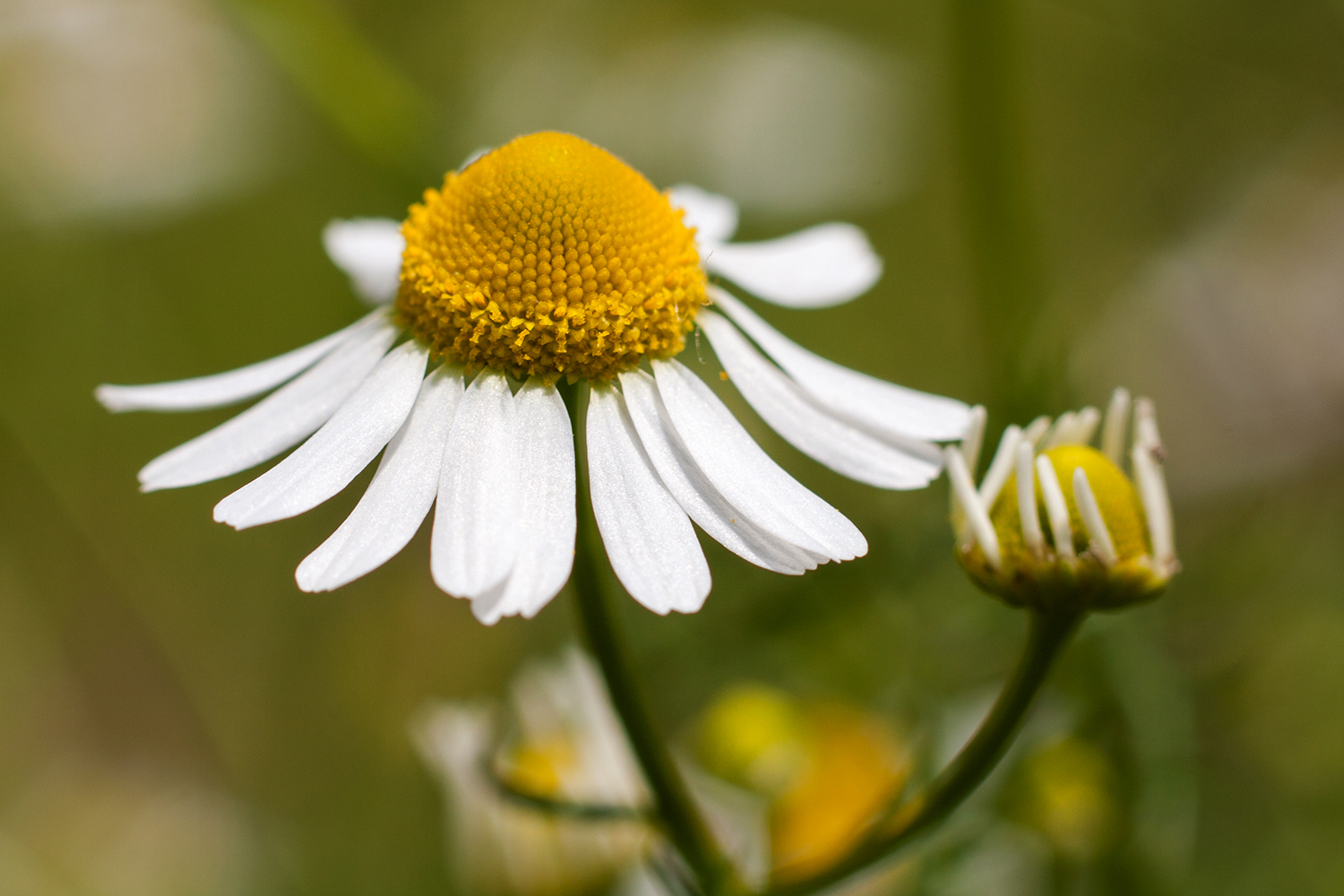
This year’s selection—German chamomile (Matricaria chamomilla)—offers benefits in all three areas. Read on to learn more about this versatile herb.

Chamomile’s Rich History

German chamomile has been a staple of herbal medicine for thousands of years. A native of Europe, India, and China, chamomile was first brought to North America during Colonial times.

With its delicate daisy-like flowers that bloom from midsummer until the first frost, chamomile is a tried-and-true annual that is enjoyed by both humans and pollinators.

Its name, from the Greek words chemos and melos (meaning “ground apple”), references chamomile’s lovely apple-like scent.

Uses for Chamomile

In addition to important nutrients like potassium, calcium, and folate, chamomile also contains phytochemicals that act as antioxidants.

Some research suggests that chamomile may help lower heart disease risk, support a healthy immune response, and slow age-related bone loss.

  • Rest and Relaxation

    Chamomile has traditionally been used to promote relaxation and ease the transition to sleep.

  • Anti-Inflammatory

    Thanks to its anti-inflammatory properties, chamomile can help heal canker sores and treat gingivitis.

    It may also help ease a host of digestive issues, including diarrhea, constipation, acid reflux, and nausea.

  • Topical Soother

    When used topically, chamomile may help soothe skin infections like shingles and boils.

Tips for Trying Chamomile

  • Ingested

    Typically used dried and consumed as tea, chamomile flowers can also be eaten or taken in capsule form as a supplement.

  • As a Topical Oil

    Chamomile essential oil may be found as an ingredient in personal care and beauty products.

Precautions

  • Daisy Allergies

    People who are allergic to plants in the daisy family (including chrysanthemums, marigolds, and ragweed) could have an allergic reaction to chamomile.

  • Medication Interactions

    Because this herb can interact with certain medications, including warfarin, it’s important to consult with your healthcare practitioner before trying products containing chamomile.

“2025 Herb of the Year: German chamomile,” PennState Extension, 2/24/25

“A comprehensive study of therapeutic applications of chamomile” by A. Sah et al., Pharmaceuticals, 2022

“The health benefits of 3 herbal teas,” Harvard Health Publishing, 10/21/21

“Health benefits of chamomile,” WebMD.com

“Herb of the Year,” International Herb Association, https://iherb.org

Contributor

Kelli Ann Wilson

Associate Editor

Kelli Ann Wilson is Associate Editor at Taste for Life magazine. In her free time she enjoys reading, writing, photography, gardening, and spending time with her husband and two kids.

Don't Miss a Thing!


Get the latest articles, recipes, and more, when you sign up for the tasteforlife.com newsletter.

Hot Product