Vitamins, Minerals, and Herbs for Bone Health

By The Taste for Life Staff

Nutrition and Supplements for Bone Health

  • Vitamins

    Without certain vitamins, minerals can’t do their job of binding to the tissue that forms into bone.

    • Vitamin D

      One of the most important vitamins for healthy bones, Vitamin D is needed to prevent serious risks.

      Production of this vitamin happens naturally when the cholesterol in our skin is converted into D by the sun’s rays.

      About 10 to 15 minutes of daily sun exposure yields the equivalent of 400 IU of vitamin D, but if sunlight hours are abbreviated or you’re avoiding the sun, supplemental D is a good alternative.

      Dietary sources include:

      • butter
      • liver
      • fatty fish (salmon, tuna, mackerel)
      • cod liver oil
      • egg yolks
    • Vitamin K

      Without this group of compounds, our bones would resemble dusty chalk. According to James Balch, MD, vitamin K “is essential for bone formation and repair.”

      A preferable alternative to taking vitamin K directly is to supplement your diet with a healthy dose of intestinal flora, or probiotics, available in capsules or liquid and in live-culture yogurt.

      Postmenopausal women, who are particularly at risk of osteoporosis due to hormonal shifts, may have lower levels of K.

  • Minerals

    • Calcium

      Calcium is the foundation of good bone health. It's readily available in supplement form, and foods such as:

      • broccoli
      • carrots
      • cauliflower
      • dairy products

      The problem here is one of nutrient absorption, with some researchers suggesting that only 10 percent of the mineral being absorbed from our diet or supplements.

      When supplementing, look for “whole food” concentrates in calcium supplements, which will be easier to assimilate.

      But remember:

      • Your body can only absorb about 500 mg of calcium at a time.
      • Unless it is taken with magnesium, most calcium will either:
        • move through the body without being absorbed
        • wind up as kidney stones or gallstones
    • Magnesium

      Some sources say that the real cause of osteoporosis is insufficient magnesium. One study indicates that most women over the age of 40 have low levels of this mineral.

      About 60 percent of our body’s magnesium resides in the bones, and it is a crucial partner with calcium, taken in the right proportion.

      Finding that balance is key—with too little magnesium, calcium will be excreted rather than absorbed.

    • Phosphorus

      Another key player in the delicate calcium balance. 80 percent of our body’s phosphorus is found in bones and teeth.

      However, too much of this mineral can keep calcium from being absorbed!

      This is one of the main reasons that drinking soft drinks can affect bone health: the phosphates in soda compete with calcium.

    • Boron

      An important factor in bone metabolism, boron helps facilitate the absorption and balance of:

      • calcium
      • magnesium
      • phosphorus

      Boron is available as an individual supplement, but look for it in combination with other minerals (such as calcium and magnesium) too.

  • Herbs and Extracts

    • Resveratrol

      Older, overweight men strengthened their bones by taking 1,000 milligrams of resveratrol.

      That’s a fairly high daily dose, but this group of men was at significant risk of developing osteoporosis due to low-grade inflammation caused by metabolic syndrome (a cluster of risk factors linked to diabetes and heart disease).

      The supplement stimulated bone formation and mineralization during the 16-week trial.

"Pivotal role of boron supplementation on bone health . . ." by M. Rondanelli et al., Journal of Trace Elements in Medicine and Biology, 12/20

"Vitamin D," National Institutes of Health, https://ods.od.nih.gov

Contributor

The Taste for Life Staff

The Taste for Life staff come from a wide variety of backgrounds and specialties. We believe learning is a life-long process, and love to share the knowledge we gain.

Managing Neuropathies

Pins and Needles... and Feet!

By Cheryl Myers
We host blogs from some of the leading voices in natural health and wellness. Opinions and views expressed by the author are their own, and do not necessarily represent those of Taste For Life or its editorial staff. Please contact Cheryl Myers with any questions about this content.

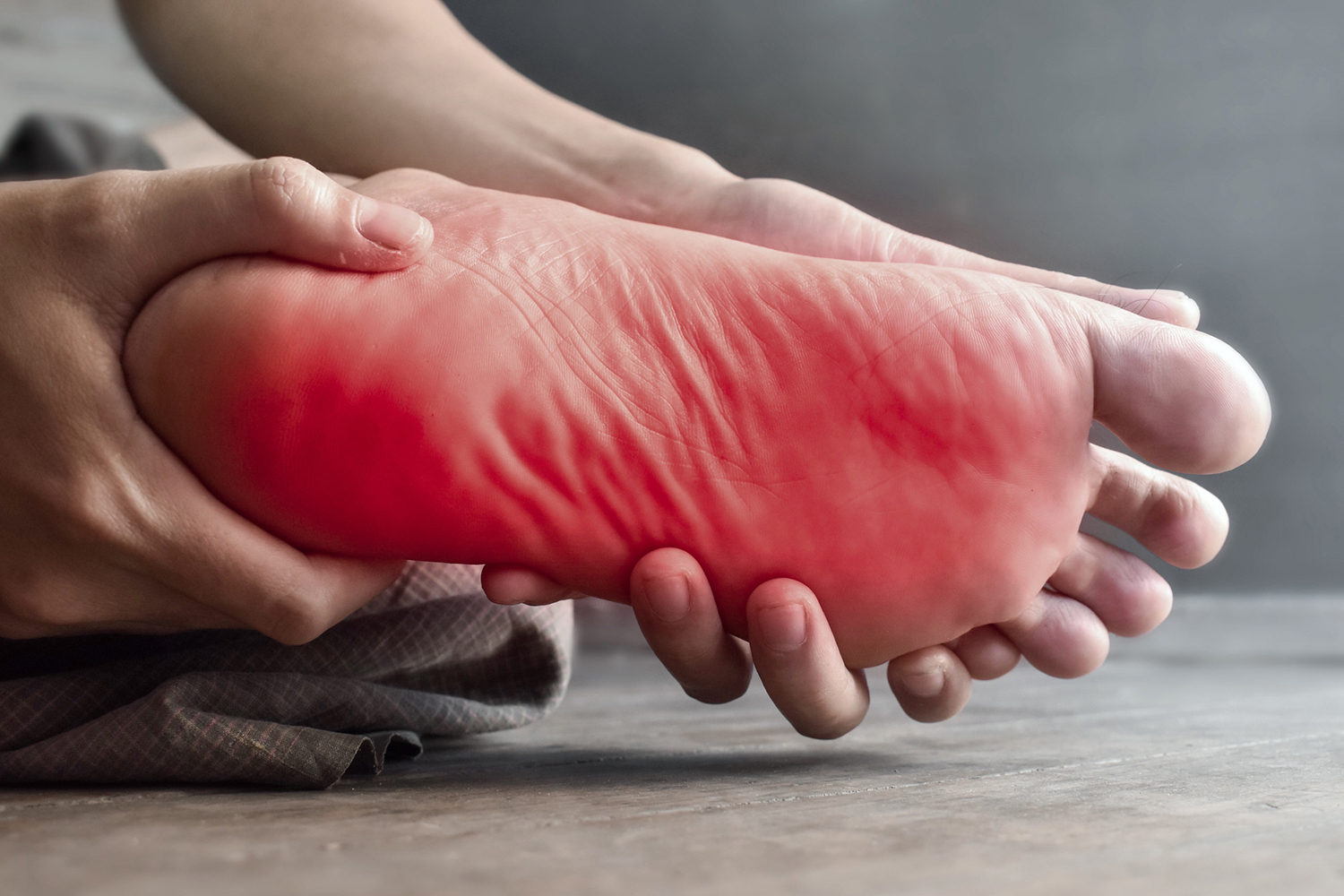
Have you ever been sitting on the sofa, riveted by a movie, and find when you get up to get popcorn that your foot is asleep?

It feels prickly, even partly numb, or it can even be a bit painful as you limp around trying to restore circulation.

That is a tiny bit like neuropathy.

What is Neuropathy?

When you examine the root words for “neuropathy,” you will find that it means “nerve disease” or “nerve suffering.”

Our nerves communicate signals in our body, such as take a step or reach out your hand. They also carry communication back from our touches regarding perception—the doorknob is cold, the knife is sharp.

When nerves are inflamed, damaged, and/or blocked, uncomfortable signals can be generated and cause a lot of distress.

Symptoms of Nerve Damage

Nerve pain runs the gamut from irritating to excruciating. If the nerve damage is severe, it may cause a total lack of sensation.

Losing sensation sounds better than pain, but it is dangerous. If you cannot feel the cut on your foot, you may let it go until it is infected or even life threatening. Lack of sensation disrupts your balance and can cause serious falls.

Types of Neuropathy

There are four types of neuropathies, each named for the area they affect.

The best known is peripheral neuropathy, which affects millions of people in the US.

We see peripheral neuropathy in areas of the body that have challenging circulation, farthest from the heart, like the lower leg and foot, though sometimes hands and fingers can be affected.

Causes of Neuropathy

Neuropathies can develop from:

  • drug toxicity (chemotherapy)
  • nutritional deficiencies
  • autoimmune conditions
  • circulatory disorders
  • traumatic injuries
  • infections
  • metabolic conditions
  • diabetes

Unfortunately, nerves are one of the slowest tissues in the body to repair. Peripheral nerves regrow at a rate of only one inch or less per month. The process of nerve regrowth is impaired even further by chronic and inflammatory conditions, like diabetes.

Diabetes

The most common cause of peripheral neuropathy is diabetes. In fact, it is estimated that over 40% of people with diabetes will develop diabetic peripheral neuropathy, which is the most common complication associated with diabetes.

The abnormally high level of sugar in the blood stream is irritating to the nerves and can cause inflammation. High blood sugar also inflames blood vessels, especially the tiny capillaries, and impedes circulation to the nerve tissue, cutting it off from oxygenation and nourishment.

The best thing you can do for diabetic peripheral neuropathy is to keep your blood sugars as close to normal as possible at all times.

Nutrients to Fight Neuropathy

There are nutrients that have been shown to play an important role in prevention and treatment of neuropathies, and that can improve nerve health, repair, and function.

  • Alpha Lipoic Acid (ALA)

    Alpha lipoic acid is a potent antioxidant that has been clinically studied for its positive impact on diabetic neuropathy. ALA is unique because it can neutralize free radicals that are water and fat soluble, offering ideal protection for the nerves from oxidative damage.

    In a 2018 study, patients were given 600 mg per day of alpha lipoic acid for 40 days. Patients were scored on their neuropathy symptoms, pain, quality of life, and disability levels. There were significant improvements in all parameters measured.

    There was:

    • a 58% reduction in people experiencing burning
    • a 41% reduction in people experiencing painful coldness
    • a 60% reduction in people feeling electric shock
    • a 46% reduction in people experiencing tingling
    • a 58% reduction in people feeling pins and needles
    • a 50% reduction in people experiencing numbness

    Plus, half of the patients felt their health condition was “very much better” or “much better” at the end of the study.

    Another study on alpha lipoic acid demonstrated that 600 mg twice per day increased peripheral insulin sensitivity in people with type 2 diabetes, which is important with diabetic neuropathy.

  • B Vitamins

    Research demonstrates that deficiencies in B vitamins, especially B1, B6, and B12, can lead to neuropathy. The use of these vitamins to treat neuropathy can be found worldwide.

    Studies

    A combination of these B vitamins was studied for its effects on symptoms of peripheral neuropathy. Improvements were noted after just 14 days of use.

    Patients were given 100 milligrams (mg) of vitamin B1, 100 mg of vitamin B6, and 5000 mcg of B12 once per day for 12 weeks.

    At the end of the study, the participants noticed a 55.9% average reduction in numbness, 64.7% average reduction in stabbing pain, over 80% reduction in burning pain, and a 62.9% reduction in total symptom score. Subjective feelings of pain also reduced by over 69%.

    • Thiamin

      There is a fat-soluble form of thiamin (vitamin B1) that is better absorbed and that stays active in the blood stream much longer called benfotiamine.

      A study on this interesting vitamin form found that 200 mg (50 mg dosed four times per day) significantly reduced neuropathy scores in three weeks.

      Participants also experienced a significant reduction in their pain.

    • Folate

      It has also been found that folate deficiency increases the risk of peripheral neuropathy, especially in people less than 40 years old.

      Folate deficient people (folate levels less than 6.8 nmol/L) under 40 are 83% more likely to have peripheral neuropathy than those of a similar age who are folate sufficient (folate levels >13.6 nmol/L).

      The methylfolate form of folate is a better supplement than folic acid, as it does not have to be converted in the liver.

      Many people are not good at converting folic acid to folate, especially older adults and those with metabolic disorders such as diabetes.

    Medications and B Deficiency

    Another cause of neuropathy is from medications, like statins that are used to lower cholesterol.

    Please remember that I am not encouraging or discouraging the use of medications. That is a discussion for you to have with your healthcare practitioner. I am saying that you need to think about nutrient supplementation if you are currently on these kinds of drugs.

    • Statins

      One study found that there is up to a 14-fold increased risk in developing neuropathy for people taking statins versus people not taking statins.

      For those on statins, the neuropathy may or may not be reversible, depending upon when it’s diagnosed.

      When statins were combined with niacin (vitamin B3), there was more than a 3-fold reduction in development of neuropathy.

    • Metformin

      Another drug that can cause vitamin B issues is metformin. People using metformin for type 2 diabetes are more likely to be vitamin B12 deficient, and that risk increases about 13% each year a person takes metformin.

  • Minerals and Herbs

    • Zinc

      Zinc deficiency has also been implicated in the development of peripheral neuropathy.

      One of the mechanisms involves oxidative damage to lipids and other molecules in the body. People with type 2 diabetes and zinc deficiency have decreased nerve conduction in motor and sensory nerves throughout the body, which is never a good thing for neuropathy.

      Chelated Zinc

      All forms of zinc are not equally absorbable. Zinc chelated to an amino acid (one form is zinc glycinate) has better absorption, and better absorption increases efficacy.

    • Boswellia

      One herb of great interest for neuropathy is boswellia.

      • 5-LOX Inflammation

        Boswellia is unique because it targets a type of inflammation called 5-lipoxegenase (5-LOX).

        This is a type of inflammation that does not respond to over-the-counter anti-inflammatory drugs like ibuprofen or aspirin, or even prescription drugs in the class of non-steroidal anti-inflammatories (NSAIDs). It is a different type of inflammation.

        Boswellia has many studies showing that it has a very high level of activity against 5-LOX inflammation.

        5-LOX is seen in:

      • Vincristine

        Scientific research has shown that boswellia can be effective for neuropathic pain from the chemotherapeutic agent vincristine through its anti-inflammatory effects.

      • Schwann Cells

        Boswellia has also been studied for its positive effects on nerve recovery by increasing the proliferation of specialized nerve cells, called Schwann cells that help guide the recovery of damaged nerves.

      Boswellia vs Frankincense

      Some people call boswellia “frankincense” but they are not exactly the same.

      Frankincense is usually the term for the essential oil extraction of boswellia resin.

      Boswellia used according to Ayurvedic practice is a different extract of boswellia resin designed to be used in an oral form.

The More, The Merrier!

While all of these nutrients have individual activity, they work quite well together to address neuropathy. It may be more effective to take them in combination.

Also, anything that reduces abnormally high blood sugars is useful, too, like:

Take care of your nerves, and they will take care of you.

“Alpha-lipoic acid as a dietary supplement: molecular mechanisms and therapeutic potential” by K.P. Shay et al., Biochimica et Biophysica Acta

“Benfotiamine in the treatment of diabetic polyneuropathy . . .” by E. Haupt et al., Western International Journal of Clinical Pharmacology and Therapeutics

“Boswellic acids in chronic inflammatory diseases” by H.P. Ammon, Planta Medica

“Circulating folate concentrations and risk of peripheral neuropathy and mortality: A retrospective cohort study in the U.K.” by T. Taverner et al., Nutrients, 10/19

“Effect of alpha-lipoic acid on symptoms and quality of life in patients with painful diabetic neuropathy” by E. Agathos et al., Journal of International Medical Research, 5/18

“Effect of frankincense extract on nerve recovery in the rat sciatic nerve damage model” by X. Jiang et al., Evidence-Based Complementary and Alternative Medicine, 2016

“Hintonia concentrate - for the dietary treatment of increased blood sugar values: Results of a multicentric, prospective, non-interventional study . . .” by M. Schmidt and M. Hladikova, Naturheilpraxis, 2/14

“Improvement of insulin sensitivity in patients with type 2 diabetes mellitus after oral administration of alpha-lipoic acid” by P. Kamenova, Hormones (Athens)

“Long-term metformin use and vitamin B12 deficiency . . .” by V.R. Aroda et al., Journal of Clinical Endocrinology and Metabolism, 4/16

“Management of diabetic small-fiber neuropathy with combination L-methylfolate, methylcobalamin, and pyridoxal 5'-phosphate” by A.M. Jacobs and D. Cheng, Reviews in Neurological Diseases

“Management of peripheral neuropathy symptoms with a fixed dose combination of high-dose vitamin B1, B6 and B12 . . .” by M. Hakim et al., Asian Journal of Medical Sciences, 2018

“Thiamine deficiency in diabetes mellitus and the impact of thiamine replacement on glucose metabolism and vascular disease” by G.L. Page et al., International Journal of Clinical Practice

“Treatment of mild and moderate type-2 diabetes: Open prospective trial with Hintonia latiflora extract” by M. Korecova and M. Hladikova, European Journal of Medical Research, 3/28/14

Contributor

Cheryl Myers

Cheryl Myers, RN, is an integrative health nurse, author, and expert on natural medicine. She is a nationally recognized speaker who has been interviewed by the New York Times, Wall Street Journal and Prevention magazine. Her articles have been published in Aesthetic Surgery Journal and Nutrition in Complementary Care, and her research on botanicals has been presented at the American College of Obstetrics and Gynecology and the North American Menopause Society. Follow Cheryl on Facebook! 

Benefits of Chamomile

Introducing The 2025 Herb of The Year

By Kelli Ann Wilson

Each year the International Herb Association (IHA) selects an herb to showcase as its Herb of The Year, based on its medicinal, culinary, or decorative qualities.

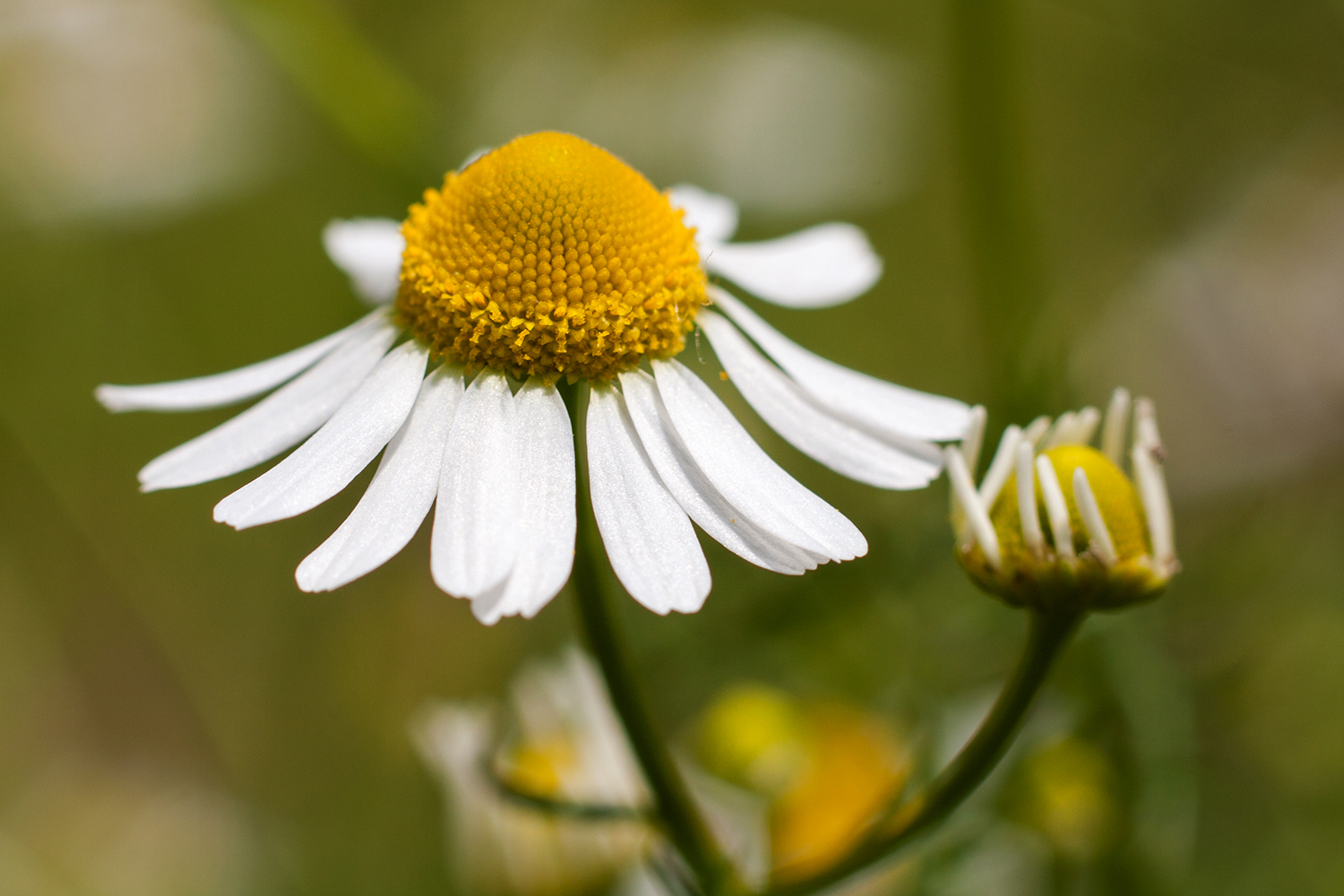
This year’s selection—German chamomile (Matricaria chamomilla)—offers benefits in all three areas. Read on to learn more about this versatile herb.

Chamomile’s Rich History

German chamomile has been a staple of herbal medicine for thousands of years. A native of Europe, India, and China, chamomile was first brought to North America during Colonial times.

With its delicate daisy-like flowers that bloom from midsummer until the first frost, chamomile is a tried-and-true annual that is enjoyed by both humans and pollinators.

Its name, from the Greek words chemos and melos (meaning “ground apple”), references chamomile’s lovely apple-like scent.

Uses for Chamomile

In addition to important nutrients like potassium, calcium, and folate, chamomile also contains phytochemicals that act as antioxidants.

Some research suggests that chamomile may help lower heart disease risk, support a healthy immune response, and slow age-related bone loss.

  • Rest and Relaxation

    Chamomile has traditionally been used to promote relaxation and ease the transition to sleep.

  • Anti-Inflammatory

    Thanks to its anti-inflammatory properties, chamomile can help heal canker sores and treat gingivitis.

    It may also help ease a host of digestive issues, including diarrhea, constipation, acid reflux, and nausea.

  • Topical Soother

    When used topically, chamomile may help soothe skin infections like shingles and boils.

Tips for Trying Chamomile

  • Ingested

    Typically used dried and consumed as tea, chamomile flowers can also be eaten or taken in capsule form as a supplement.

  • As a Topical Oil

    Chamomile essential oil may be found as an ingredient in personal care and beauty products.

Precautions

  • Daisy Allergies

    People who are allergic to plants in the daisy family (including chrysanthemums, marigolds, and ragweed) could have an allergic reaction to chamomile.

  • Medication Interactions

    Because this herb can interact with certain medications, including warfarin, it’s important to consult with your healthcare practitioner before trying products containing chamomile.

“2025 Herb of the Year: German chamomile,” PennState Extension, 2/24/25

“A comprehensive study of therapeutic applications of chamomile” by A. Sah et al., Pharmaceuticals, 2022

“The health benefits of 3 herbal teas,” Harvard Health Publishing, 10/21/21

“Health benefits of chamomile,” WebMD.com

“Herb of the Year,” International Herb Association, https://iherb.org

Contributor

Kelli Ann Wilson

Associate Editor

Kelli Ann Wilson is Associate Editor at Taste for Life magazine. In her free time she enjoys reading, writing, photography, gardening, and spending time with her husband and two kids.

Probiotics & Prebiotics

This dynamic duo works to keep you healthy!

By Victoria Dolby Toews, MPH

The health benefits of probiotics—the beneficial bacteria found in live-culture yogurt, fermented foods, and dietary supplements—are well known.

From resolving diarrhea to bolstering immunity, probiotics contribute to health in many ways.

Not so well-known? Compounds called prebiotics.

What Are Prebiotics?

Prebiotics, dietary fibers that humans can’t digest, serve as food for probiotics. Consuming more prebiotics will contribute to flourishing colonies of good bacteria in your system.

Most prebiotics fall into the category of carbohydrates, with the main prebiotics being inulin, fructo-oligosaccharides (FOS), and galacto- oligosaccharides (GOS).

These prebiotics, when consumed in functional foods or taken in dietary supplement form, contribute to the growth of healthy bacteria in the intestines.

Benefits of Balanced Gut Flora

  • Enhanced Immunity

    The common cold and similar respiratory viruses back off when faced with the power of probiotics.

    One six-month study found that overweight and older adults who took a daily probiotic supplement had a 27 percent lower incidence of upper respiratory tract symptoms compared to a group that received a placebo. The most significant effects were seen in people 45 or older, as well as those with obesity.

    Lead researcher Benjamin Mullish, MD, said the study provides "further evidence that the gut microbiome has a complex relationship with our various organ systems. It doesn't just affect how our gut works or how our liver works, it affects aspects of how our whole body works."

    Immune function tends to dwindle as people age, yet prebiotic supplements (specifically GOS) also bolster immunity in older people.

  • Weight and Appetite Regulation

    Scientists are learning that dysbiosis—an imbalance of gut flora caused by too few healthy bacteria or an overgrowth of bad bacteria and yeast—may negatively affect weight. Probiotics and prebiotics both help the gut return to a more balanced state. Appetite, caloric intake, and body mass index all tend to go down when people take prebiotics.

  • Improved Focus & Mood

    A typical Western diet high in saturated fats and sugars can negatively affect the mind. This diet-cognition link is thought to relate (at least in part) to out-of-balance gut bacteria.

    It may seem surprising that gut health influences mental clarity, but the connection has been well established in research. In fact, when probiotics and prebiotics get added into the diet as supplements, thinking processes can improve.

    Mood receives an uptick from prebiotics, which are associated with less anxiety, depression, and stress. When healthy volunteers supplement with prebiotics for three weeks, their anxiety—as measured by cortisol levels—goes down.

Contributor

Victoria Dolby Toews, MPH

Victoria Dolby Toews, MPH, is an evidence-based, integrative medicine journalist with more than 20 years of research and writing expertise, She received her Master of Public Health from OHSU-PSU School of Public Health.

She is the author or co-author of numerous books, including Life After Baby (2012), The Green Tea Book, 2nd edition (Penguin, 2008). User’s Guide to Healthy Digestion (Basic Health Publications, 2004), The Soy Sensation (McGraw-Hill, 2002), User’s Guide to Glucosamine and Chondroitin (Basic Health Publications, 2002), The Common Cold Cure (Avery, 1999), and The Green Tea Book (Avery, 1998).

Her work was recognized for excellence as a 2001 finalist for the Maggie Awards (Western Publications Association award honoring editorial excellence in magazines west of the Mississippi River).

Avoiding Plastics

How to contribute to a safer world.

By Dave Clarke

In partnership with Klean Kanteen

In the classic film The Graduate, Mr. McGuire (Walter Brooke) gives young Benjamin Braddock (a 30-year-old Dustin Hoffman) one word of advice: “Plastics.”

There’s a “great future” in the stuff, he says. McGuire was right. There was a great future in plastics—for plastics manufacturers, not for the rest of us.

Plastics now pervade our lives in countless ways, obvious and obscure. Even more murky is the havoc they wreak on our health. Some toxic effects are known, others are suspected, and still others may go undetected.

Ways to Reduce Plastic Exposure

While you may not be able to eliminate plastics from your life entirely, there are many ways to reduce contact.

  • Avoid Plastic Containers

    Make purchasing decisions based on whether or not there’s plastic involved.

    • Choose produce that’s not packaged in plastic.
    • Buy products (such as laundry detergent) packaged in boxes instead of plastic bottles.
    • Use reusable bags for groceries. 
  • Use Reusable Bottles

    Avoid bottled water. Use reusable water bottles, coffee cups, and travel mugs whenever possible.

    Billions of single-use plastic bottles are trashed every year.

    The EPA estimates Americans dispose of 25 billion plastic foam cups annually. That's 82 cups per person a year.

  • Don't Use Plastic Straws

    Talk about toxic contact—lips to plastic straw is one of the worst.

    Straws are also among the most commonly found litter on beaches.

  • Avoid Plastic Cutlery

    If you’re getting take-out, ask the restaurant to skip the plastic tableware or suggest they start using compostable cutlery because it’s important to you—their customer.

    If you’re expecting leftovers while dining out, bring your own container from home. 

  • Wear Natural Fabrics

    Every time you wear and wash your clothes, tiny bits of fabric rub off, either onto you or into your washer and down the drain into the ecosystem.

    Choose clothing made from natural fibers such as cotton—not plastic-based materials such as polyester. 

  • Buy Cloth Diapers

    The EPA estimates the typical child uses 8,000 diapers before being potty trained.

    Cloth diapers reduce your child’s exposure to plastics and help the environment.

  • Use Reusable Razors

    Using a razor with disposable blades versus a disposable razor will reduce plastic toxicity entering your home and the environment.

"10 ways to reduce plastic pollution" by Sarah Engler, www.nrdc.org

"Global Plastics Treaty," https://Action.EarthDay.org

"National overview: Facts and figures on materials, wastes and recycling" US Environmental Protection Agency

“Tips to use less plastic,” www.GreenEducationFoundation.org

“The risky chemical lurking in your wallet,” www.ConsumerReports.org

ADVERTISEMENT

New limited edition Klean Kanteen 16oz insulated water bottle made from certified 90% post-consumer recycled steel.

Contributor

Dave Clarke

Dave Clarke is a California-based writer and editor with a yen for adventure that fuels his work and his life. Check out more of his writing at AAM Today.

Get a Good Night’s Sleep: The Ayurvedic Way

By Amber Lynn Vitale
a woman having a peaceful rest
ID 28640422 © Auremar | Dreamstime.com

Without adequate sleep, we are at risk for many diseases, and we falter in efficiency and productivity. Ayurveda, an ancient science of healthcare, offers sage advice in the slumber department.

Dosha Sleep Styles

First, it is important to understand the typical quality of sleep experienced by each dosha (energy type).

  • Vata Sleep Style

    Vata individuals tend toward interrupted sleep. This is due to their nervous and anxious nature, and most insomnia tends to originate from a vata imbalance. This vata-type insomnia can stem from excessive thinking and worrying as well as hypersensitivity to people and surroundings.

  • Pitta Sleep Style

    Pitta individuals may get moderate to little sleep, but it is sound. An example would be the efficient owner of a large company who functions well on four hours of sleep and a power nap. A pitta-type insomnia, though, can result from unresolved emotions like anger, resentment, and jealousy.

  • Kapha Sleep Style

    Kapha individuals tend towards heavy, prolonged, and excessive sleep, which further exacerbates the sluggishness of their natural constitution. Kaphas rarely experience insomnia. They will derive health benefits from purposefully shortening their sleeping time and not napping during the day.

How Much Sleep is Enough?

Ayurvedic practitioners often recommend between six and eight hours of sleep a night. A kapha may need less, while a vata may need more. When aiming for longer sleep, it is important that it be had before sunrise to be in harmony with nature.

A vata-dominant person could also nap in the afternoon if overwhelmed or depleted. Most Ayurvedic lifestyle recommendations include instructions to be in bed by 10 pm, asleep by 11 pm, and up by 6 am. How do we make that happen?

Ayurvedic Aids to Slumber

  • Daily Review

    Ayurveda recommends setting aside time in the evening to quietly review the day. This practice helps to release the tensions and concerns of the day and to empty the mind of bothersome thoughts. Yoga asanas are valued, but no stimulating or aerobic poses should be done.

  • Massage

    Oil massage of the head—especially with grounding sesame oil—followed by a warm bath promotes a sound sleep. Applied to the feet of a vata-dominant person, the sesame oil anchors and calms. Follow by a warm bath for best results.

  • Hearty Meal

    For some vata-dominant types, heavier food for dinner helps. In Ayurveda, that means whole grains, root vegetables, dairy, and boiled rice with milk and ghee (clarified butter). The last meal of the day should sustain you until breakfast but not cause gastric distress.

  • Music

    Singing, chanting, listening to calm music, and placing oneself in joyful circumstances are good preparations for sleep. Pitta-aggravated insomniacs may benefit from using soft natural botanicals to calm their irritation before bed.

  • Comfort

    The bed must be conducive to sleep and free of disturbances by animals or children. The room should be cool and dry, comfortable and uncluttered, with as few electronic lights, noises, or vibrations as possible.

    Leave the television and computers outside the bedroom. Many people get disturbed by the evening news. Avoid this influence before bed, along with stimulating music, movies, and video games. Read something calming or inspiring, or listen to music for a few minutes.

  • Prayer and Meditation

    Prayer and meditation are the preamble to sleep for many. Prayer is where you do most of the talking, meditation is where you are listening!

If, with all these lifestyle recommendations, you still need help with peaceful slumber, Ayurveda recommends drinking warm milk. If dairy intolerant, use warmed rice, coconut, almond, or other nut milks. To this, you can add a pinch of nutmeg, poppy seeds, and/or gotu kola. Nutmeg and poppy seeds are both excellent sedatives, but can lead to dullness of the mind if overused on a daily or copious basis.

Herbal Ayurvedic Sleep Remedies

You may need to experiment to see what works best for you.

Sweet dreams!

  • Ashwagandha

    Ashwagandha (one to four capsules) taken with warmed milk and a bit of raw sugar helps the body cope with stress and leads to deep, untroubled sleep.

  • Topical Soothers

    Medicated bhringaraj oil applied to the scalp or hairline calms the mind and excessive mental activity.

  • Sedative Herbs

    Jatamansi and valerian herbs can also sedate and work for some, while being too heavy for others.

  • Calming Tea

    Chamomile tea is a good standby for all three doshas.

Contributor

Amber Lynn Vitale

Amber Lynn Vitale has practiced as a Certified Nutritionist, Ayurvedic Clinical Consultant, Advanced Bodyworker and Yoga Therapist since 1996. She’s written and produced video educational content for many publications, as well as for her own clients and an interested public audience.

Amber believes that raw materials sourcing, labeling transparency, legitimate certifications, and educational support are the criteria that set quality natural products companies apart from others. It’s her mission to educate the public on the importance of education before supplementation.

Clean Skin Care for Teens

By Kim Erickson

Exploring all the hair, skin, and color cosmetics designed for girls age nine and up may seem like harmless fun as our daughters begin to navigate their way through puberty.

But many personal care products contain cancer-causing compounds or plasticizers and preservatives that can disrupt hormones.

A recent study by the Environmental Working Group found 16 hazardous cosmetic chemicals in the blood and urine of teenage girls.

Exposure can be greater for tweens and teens since most girls use more beauty products—an average of 17 products to their mom’s 12.

Young bodies are less able to detoxify these chemicals. Plus, some cosmetic ingredients can actually speed up how quickly a girl develops.

The good news is that kids growing up today think it’s cool to be organic, cruelty free, and planet friendly. And there are a number of hip and healthy alternatives to chemical-packed products just for the 9- to 18-year-old set.

But while your daughter might gravitate toward that trendy shade of nontoxic nail polish or mineral-based shimmer lotion, adopting a daily skin care routine is the first—and most important—step to youthful beauty.

Healthy Skin Cheat Sheet

Here’s a cheat sheet for healthy skin that every young girl (and her mom) needs.

  • Wash Your Face

    Wash Your Face every morning and before you go to bed at night to remove dirt, dead skin cells, and excess oil.

    What to Use

    For normal or dry skin, try a creamy cleanser that contains skin-friendly herbs like chamomile, green tea extract, or lavender and good-for-you oils like almond, jojoba, or shea.

    For oily or troubled skin, try an oil-free foaming cleansing gel that’s packed with fruit extracts and witch hazel.

    How to Use It

    Gently massage a small amount of cleanser into your face with your fingertips. Rinse well.

  • Dab on Toner

    Dab on toner to remove any oil or cleanser that’s left on your skin. Toner also re-balances your skin’s natural pH.

    What To Use

    A toner with aloe vera, calendula, or other skin-friendly herbs.

    While toners and astringents are often thought of as interchangeable, alcohol-based astringents should be used with caution since they can be extremely drying, even for the oiliest complexion.

    How to Use It

    Simply dab the toner on using a cotton ball. Never drag the cotton ball over skin.

  • Moisturize

    Moisturize to keep skin soft and help protect it from the elements.

    What to Use

    Pick a moisturizer that won’t block your pores (noncomedogenic). Look for ingredients like honey, hyaluronic acid, or meadowfoam seed oil that will help attract and lock in moisture.

    How to Use It

    Dab a dot of moisturizer on your cheeks, chin, nose, and forehead and gently massage it into your skin.

  • Apply Suncreen

    Apply sunscreen every day. A lot of the sun damage that causes wrinkles later actually occurs during the teen years.

    What to Use

    Bypass sunscreens loaded with chemicals you can’t pronounce in favor of natural minerals like zinc or titanium dioxide.

    How to Use It

    Apply to your entire face and neck at least 30 minutes before you go outside.

Zit Zappers

Whether it’s the occasional OMG pimple right before a big event or an ongoing battle with blemishes, keeping skin scrupulously clean is vital to controlling acne.

Applying antibacterial, anti-inflammatory herbs like tea tree oil can help treat the occasional breakout.

For more severe cases, look for products that contain totorol, an antibacterial botanical from the New Zealand totara tree.

“The Efficacy of 5 Percent Topical Tea Tree Oil Gel in Mild to Moderate Acne Vulgaris” by S. Enshaieh et al., Indian J Dermatol Venereol Leprol

“Endocrine-Disrupting Chemicals” by E. Diamanti-Kandarakis et al., Endocr Rev

“Plasma Phthalate Levels in Pubertal Gynecomastia” by E. Durmaz et al., Pediatrics

“Teen Girls’ Body Burden of Hormone-Altering Cosmetic Chemicals,” Environmental Working Group, www.ewg.org

Contributor

Kim Erickson

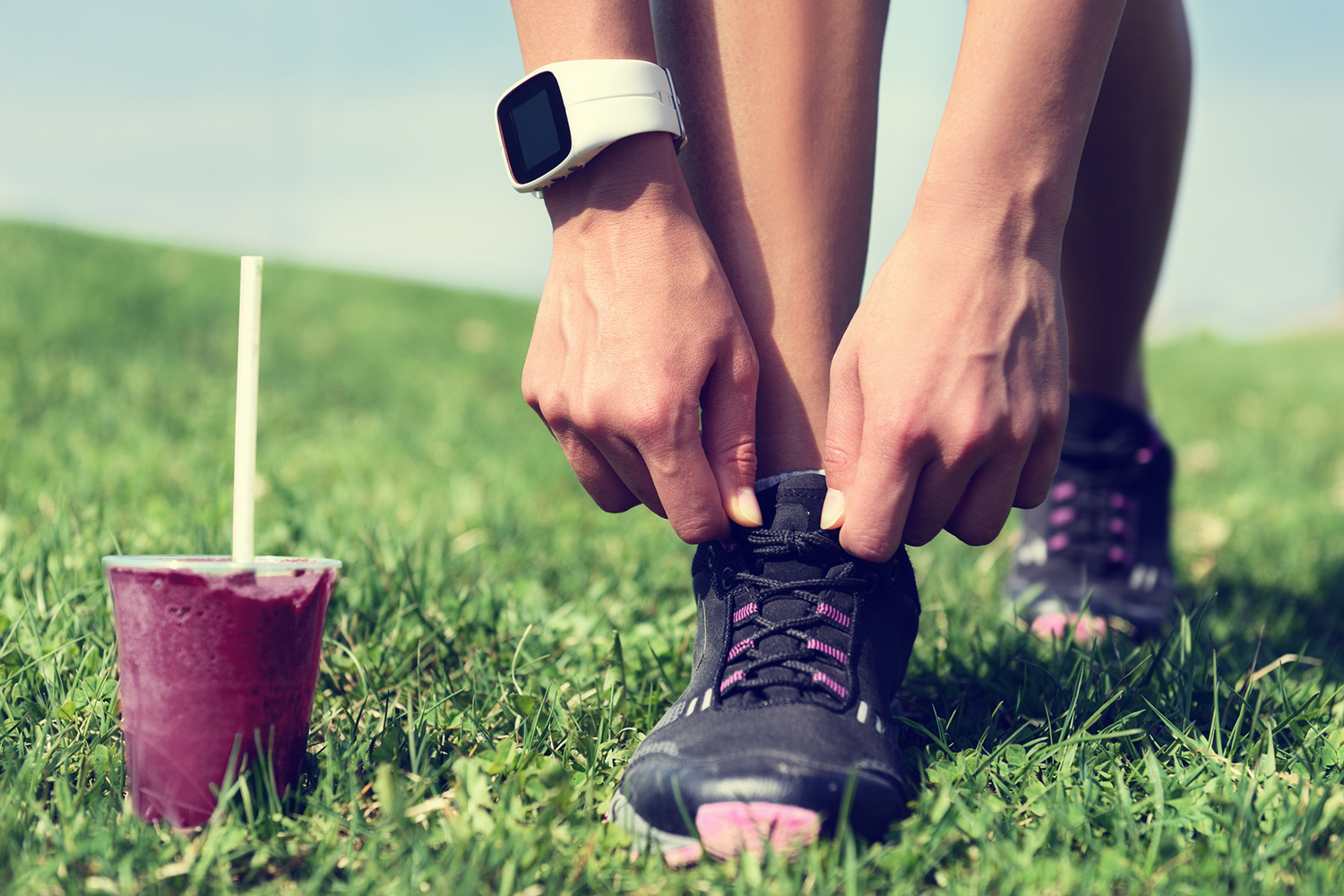
Beetroot Juice for Athletic Performance

By Dave Clarke

Beetroot or “beets,” the edible taproot portion of the beet plant, get a bad rap in the West.

In portions of Eastern Europe and beyond, where borscht (beet soup) is frequently on the menu from noonday on, they’ve long known of the endurance-boosting qualities of this seemingly simple red vegetable.

Now athletes, and the scientists and nutritionists who study ways to boost athletic performance on the playing field, are taking notice of beets.

Working with his colleagues in the Sport and Health Sciences, College of Life and Environmental Sciences at England’s University of Exeter, Andy Jones, PhD, looked at whether, and how, beet juice could impact athletic performance.

How Does Beetroot Juice Help Athletes?

Beets are rich in inorganic nitrates, which are beneficial to vascular health and function.

Consumed a few hours in advance of your activity, those nitrates mingle with the bacteria in your saliva and convert them to nitrites. (If you use mouthwash or gum after consuming the beet product, this conversion will not occur.)

Your body takes it from there, converting the nitrite into nitric oxide.

Benefits of a Nitrate Boost

Athletes know that the average nitrite boost of 12 percent to 14 percent means improved blood flow, muscle contraction, and neurotransmission.

That can improve performance, the study showed, by as much as 2 percent.

Another plus: Blood pressure drops when those nitrites kick in.

Effects of Beetroot Juice

  • For Speed

    A separate study published in the Journal of the Academy of Nutrition and Dietetics suggests that the consumption of beetroot improves running performance.

    Another study published by Medicine and Science in Sports and Exercise found that nitrate-rich beetroot juice enhanced the time trial performance that put trained cyclists in a simulated high-altitude environment. Beetroot was found to be a credible agent in improving endurance exercise at high altitude.

  • For Endurance

    Athletes in Dr. Jones' study also needed an average of 3 percent less oxygen to maintain specified levels of moderate exercise if they drank beet juice two to three hours before a race or a game.

    That’s right: Drinking beet juice means you’ll use less energy to keep up the same pace as before.

    A study published in the Journal of the International Society of Sports Nutrition reported that those drinking the juice just prior to working out could push their workouts 16% longer, suggesting that increased dietary nitrate intake has the potential to enhance exercise tolerance during long-term endurance exercise.

  • For Strength

    Another study showed that even nonathletes can benefit from beet juice.

    Patients with heart failure who drank it saw a 13 percent boost in their muscle power two hours after consumption.

How Much Beetroot Juice Should You Take?

Jones and his team concluded that when it comes to beet juice and athletic performance, you should drink about 2 12 cups roughly two to three hours before you need it.

Concentrates (“shots”) and powders are available over the counter. If that’s your preference, you’re looking for the equivalent of roughly 600 ml of juice to achieve peak performance.

“Acute Dietary Nitrate Intake Improves Muscle Contractile Function in Patients with Heart Failure: A Double-Blind, Placebo-Controlled, Randomized Trial” by A.R. Coggan et al., Circ Heart Fail, 7/2/15

“Beet Juice: How Much and When?” Runners World

“Beetroot Juice and Exercise: Pharmacodynamic and Dose-Response Relationships” by L.J. Wylie et al., Journal of Applied Physiology, 8/1/13

"Whole beetroot consumption acutely improves running performance” by M. Murphy et al., Journal of the Academy of Nutrition and & Dietetics

“A single dose of beetroot juice enhances cycling performance . . .” by D.J. Muggeridge et al., Medicine & Science in Sports & Exercise

“Effects of beetroot juice supplementation on intermittent high-intensity exercise efforts” by R. Dominguez et al., Journal of the International Society of Sports Nutrition

Contributor

Dave Clarke

Dave Clarke is a California-based writer and editor with a yen for adventure that fuels his work and his life. Check out more of his writing at AAM Today.

Claire McCarthy

Claire is a seasoned writer and editor with 25+ years of experience across print, broadcast, and digital media. Her work has appeared in outlets like The Boston Globe, L.A. Times, and New York Post. She holds an M.S. in Broadcast Journalism from Boston University and honed her craft at four Boston TV stations.

In addition to writing, Claire has taught communication skills to corporate clients, delivered professional talks on human development, and even ventured into stand-up comedy—leading to paid gigs on humor in the workplace.

The Taste for Life Staff

The Taste for Life staff come from a wide variety of backgrounds and specialties. We believe learning is a life-long process, and love to share the knowledge we gain.

Vagus Nerve Support

By Maria Noël Groves, RH (AHG)
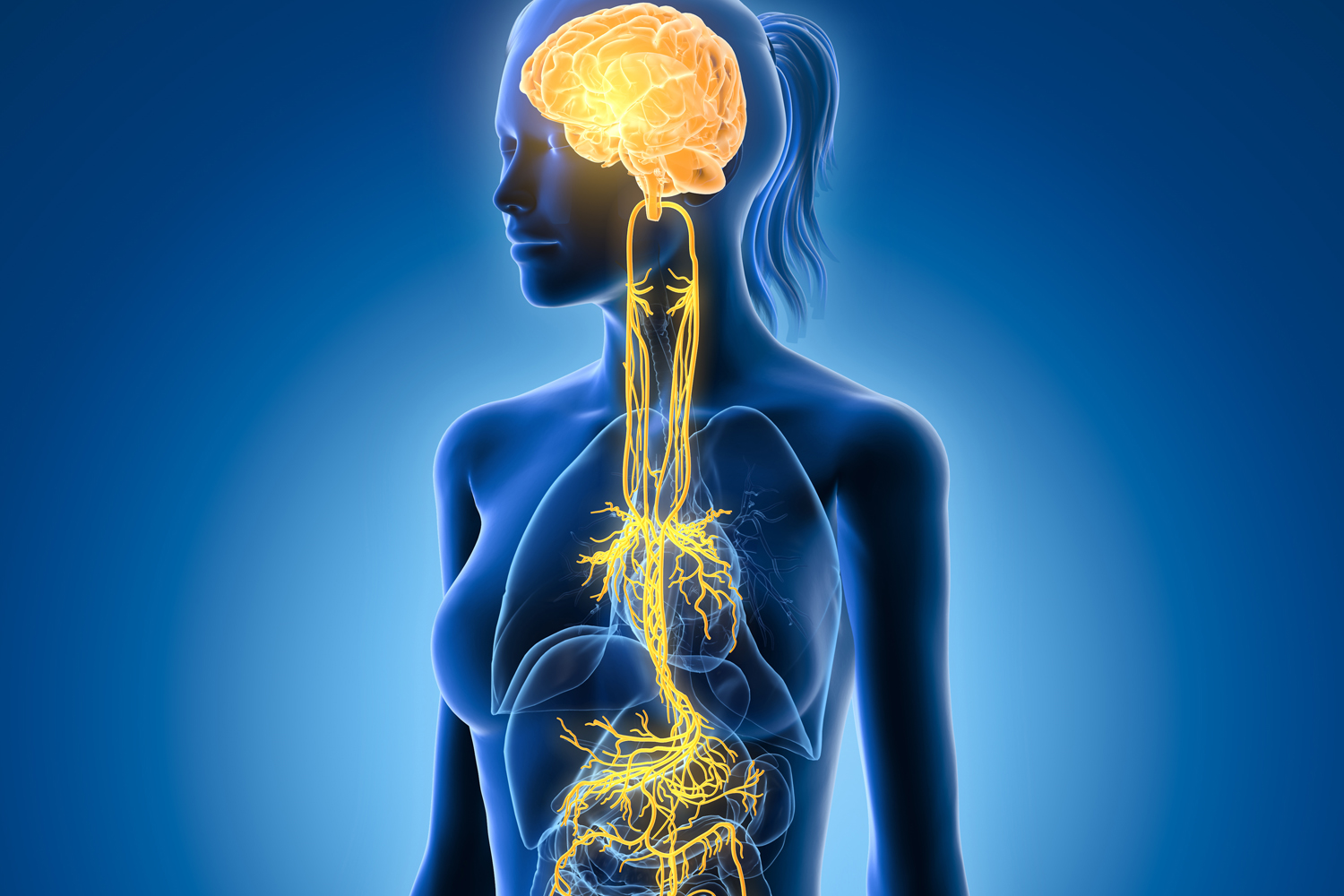
an illustration of the vagus nerve and associated organs

What is The Vagus Nerve?

Your vagus nerve is actually a complex bundle of nerves that connect your brain to many areas of your body, allowing for two-way communication and assisting in a wide range of body processes.

Also called the 10th (or “X”) cranial nerve, it’s the longest nerve in the body.

  • Why Is It Called The Vagus Nerve?

    Its name is derived from the Latin term for “wandering” (vaga, as in vagabond) because of the way it wanders around the body.

  • What Connects to The Vagus Nerve?

    It connects the brain with your ear, throat, neck, heart, lungs, stomach, liver, and gallbladder.

  • What Does The Vagus Nerve Do?

    The vagus nerve’s many critical functions include:

    • perceiving sensory experience from the heart, throat, lungs, and abdomen
    • assisting with swallowing, the ability to talk, the gag reflex, and some taste sensations
    • controlling the involuntary and smooth muscle actions of the digestive, detoxification, and cardiovascular systems
    • allowing the gut and microbiome to communicate with the brain
    • regulating heart rate and blood pressure

    It’s particularly associated with the parasympathetic nervous system body functions—that is, the actions the body performs when in the “rest, repair, and digest” mode versus “fight or flight.” It helps us deal with stress, fear, and anxiety.

    With all of this, the vagus nerve may play a role in the following, and so much more:

Supporting Vagal Tone

Many of the broader concepts of the vagus nerve’s effect on overall wellbeing and our ability to support it are still relatively new and not entirely understood.

Although more serious vagus nerve damage may require medical treatments such as vagus nerve stimulation, we can support our day-to-day vagal tone via various holistic approaches.

  • Voice and Throat

    Singing, humming, and chanting help to activate the surrounding muscle to stimulate the vagus nerve. Gargling may also work via similar mechanisms.

  • Cold Exposure

    Short but extreme cold temperature exposure like a 30-second cold shower, splashing cold water on the face, or rolling around in the snow with very little clothing may activate the vagus nerve and reduce the fight or flight response over time.

  • Breathing Exercises

    Breathing exercises, both immediately and with regular long-term practice, help support the parasympathetic and vagus nerve responses, which can be particularly helpful for stress, anxiety, and heart rate variability. There are many methods of breathwork, and they often take just a few minutes of time per day.

  • Meditation

    Meditation supports vagal tone and stress response, especially when practiced regularly.

  • Microbiome Support

    Probiotics, prebiotics, fermented foods, and high-fiber, prebiotic-rich foods support the microbiome.

  • Foods and Supplements

  • Herbs

    We’re still in the very early stages of understanding the role that herbs and supplements may play in vagal health. Consider nootropic, nervine, calming, and adaptogenic herbs such as:

    • ashwagandha
    • bacopa
    • holy basil
    • gotu kola
    • shankhpushpi
    • kava
    • green tea
    • hot peppers / capsaicin
  • Lifestyle

    • exercise
    • massage
    • laughing
    • socializing
    • hugging
    • loving-kindness meditation
    • acupuncture
    • yoga
    • t’ai chi
    • prayer
    • time spent in nature

How to stimulate your vagus nerve for better mental healthby J. Fallis, www.OptimalLivingDynamics.com, 1/21/17

Nootropic herbs (Medhya Rasayana) in Ayurveda: An updateby R. Kulkarni et al., Pharmacognosy Reviews, 2012

What is the vagus nerve?by J. Seladi-Schulman, www.Healthline.com, 10/22/21

The polyvagal theory: New insights into adaptive reactions of the autonomic nervous systemby S.W. Porges, Cleveland Clinic Journal of Medicine

“Polyvagal theory: Herbs and practices to support vagal tone” by Paris Iha, Herbarium, Herbal Academy, 2022

Contributor

Naturally Dyed Eggs

Make a rainbow of natural egg dyes from foods and spices.

By Itsy Bitsy Foodies

What You Need

  • White eggs
  • Cold water
  • Vinegar (Roughly 2 Tbsp to every pot of eggs you boil, except for the onion skins)

Natural Dye Ideas

  • Pink

    Beets - Cut 1 beet into chunks and cook with the eggs. The eggs will turn a pale Victorian pink.

  • Pale Blue

    Crushed Blueberries - Put about 1/4 cup frozen blueberries in a tall glass of water with two cooked eggs. Stir the blueberries, squish them against the glass and the eggs. The eggs will turn a pale blue with some very interesting specks and streaks where the fruit touched the shell.

  • Vivid Blue

    Purple Cabbage Leaves – Boil 2 eggs with roughly half of a head of purple cabbage. Contrary to the striking purple color of the dye, the eggs will turn a brilliant bright blue.

  • Bronze-Orange

    Yellow Onion Skins – Boil 2 eggs with the skins of roughly 3 yellow onions. The eggs will turn a rich bronze-orange color. The onion skins will leave a design on the eggs.

  • Red

    Lots of Red Onion Skins.

  • Violet Blue

    Fewer Red Onion Skins.

Dyeing the Eggs While They Cook

  1. Use a separate pan for each color.
  2. Add the eggs, natural substance, roughly 2 Tbsp vinegar and cold water to a pan. You just want to cover the eggs with water. (You want the color to be as concentrated as possible so be careful not to use too much water or else the color will be diluted.)
  3. Bring the eggs to a boil and let the mixture boil for 1 minute. Remove the pan from heat, cover it with a lid, and let simmer for 10-12 minutes.
  4. Transfer the eggs, liquid, and some of the natural substance to a bowl and let them cool completely. Cover the bowl with plastic wrap and place it in the refrigerator to let the eggs dye for several hours or overnight. (Include some of the fruit/vegetable substance to add patterns and specks to the eggs. If you want a more solid color, let the eggs soak over night in only the colored liquid.)

Dyeing the Eggs After They Are Cooked

  1. Place the white eggs in the bottom of a deep pan. Cover with roughly 2 Tbsp vinegar and cold water. Bring to a boil and let boil for one minute. Remove the pan from the heat, cover it with a lid, and let simmer for 10 to 12 minutes.
  2. Using a separate bowl for each color, mix the natural dyes with the eggs. You want the eggs to be completely covered by the dye but you want the color to be as concentrated as possible.
  3. Once the eggs are dyed, remove them from the colored liquid, rinse them with cold water and let them air dry for 5 minutes. Pat them dry with a paper towel. For a shiny finish, rub them with vegetable oil. Be careful with all of the dyes as they may stain.

Have leftover eggs? Try these recipes.

Contributor

Itsy Bitsy Foodies

Itsy Bitsy Foodies is an online resource for families looking for ways to spend more time together enjoying food and exploring the world beyond the children’s menu. They offer tips to help kids become more adventurous eaters, getting them involved in the kitchen and introducing them to new and exciting ingredients.

They feel strongly that getting kids involved in meal choices and cooking at an early age will help them make smarter eating and lifestyle choices, and ideally help to reverse the fast food trend.

Don't Miss a Thing!


Get the latest articles, recipes, and more, when you sign up for the tasteforlife.com newsletter.

Hot Product