Ways to Protect Children's Ears

By Nan Fornal

Ask any parent who’s lived through a young child’s ear infection. You may hear a wish for a way to skip this scourge of early childhood that’s marked by pain, crying, irritability, and sleeplessness.

Acute otitis media, or ear infection, may come on suddenly when the narrow eustachian tubes, which connect the middle ear to the throat, swell and impede the flow of mucus out of the ear.

More common in children than adults, an ear infection may go away on its own, but physicians often prescribe antibiotics to speed the process along.

A better approach may be to ward off the condition altogether.

Preventing Ear Infections

While about 80 percent of otitis media infections in children clear without antibiotics, researchers continue to search for alternative preventives and treatments.

Be sure to discuss with a healthcare provider any supplements that you intend to introduce into your child’s diet.

  • Try Xylitol

    This naturally occurring alternative to sugar “has been found in some studies to help prevent ear infections but not treat them,” according to Dana Sparks, writing on the Mayo Clinic News Network.

    A Cochrane review of clinical trials found “quite convincing evidence on the potential benefit of xylitol” for reducing the risk of ear infection.

    Sparks also noted that effectiveness depends upon high doses and that side effects include diarrhea and abdominal discomfort.

  • Use Probiotics

    A literature review and meta-analysis of clinical trials found that the use of probiotics reduced instances of ear infection in healthy children if not in those who tended to suffer from recurrent infections.

    This finding is corroborated by data drawn from the Japan Environment and Children’s Study, which found that “risk ratios for otitis media incidence decreased with higher frequencies of yogurt intake.”

  • Get Enough Vitamin D

    Children with recurrent ear infections participated in a randomized clinical trial in which they received either vitamin D or a placebo.

    Dosages of vitamin D that restored serum values of the vitamin were associated with a reduction in the risk of uncomplicated ear infections, according to the authors of the study published in Pediatric Infectious Disease Journal.

  • Feed Babies with Care

    Staff at the Mayo Clinic suggest breast-feeding infants for the protective antibodies it provides.

    Alternatively, a parent should hold a bottle-fed baby in an upright position while feeding, rather than allowing the baby to lie down.


“Ear infection (middle ear)” by Mayo Clinic staff, www.mayoclinic.org, 6/23/21

“How do I prevent middle ear infections?” by Dana Sparks, Mayo Clinic News Network, www.mayoclinic.org

“Impact of habitual yogurt intake in mother-child dyads on incidence of childhood otitis media . . .” by M. Tsuchiya et al., Probiotics and Antimicrobial Proteins, 5/23

“Review of probiotic use in otolaryngology” by A.T. Bourdillon and H.A. Edwards, American Journal of Otolaryngology, 3–4/2021

“Vitamin D supplementation reduces the risk of acute otitis media in otitis-prone children” by P. Marchisio et al., Pediatric Infectious Disease Journal

“Xylitol’s health benefits beyond dental health” by K. Salli et al., Nutrients, 8/19

Contributor

Nan Fornal

Nan Fornal has experience with fiction, nonfiction, and technical publications, working closely with book and magazine publishers from first edit to final proofing. She has worked with Exeter Press, Boston magazine, and self-publishers alike.

Magnesium Deficiency

Mg can help you stay calm, and has a multitude of other benefits!

By Pamela Bump

In partnership with Arthur Andrew Medical

The mineral magnesium is vital for our health.

It’s linked to more than 700 important body functions, ranging from energy production and blood pressure regulation, to heart health and muscle and nerve function.

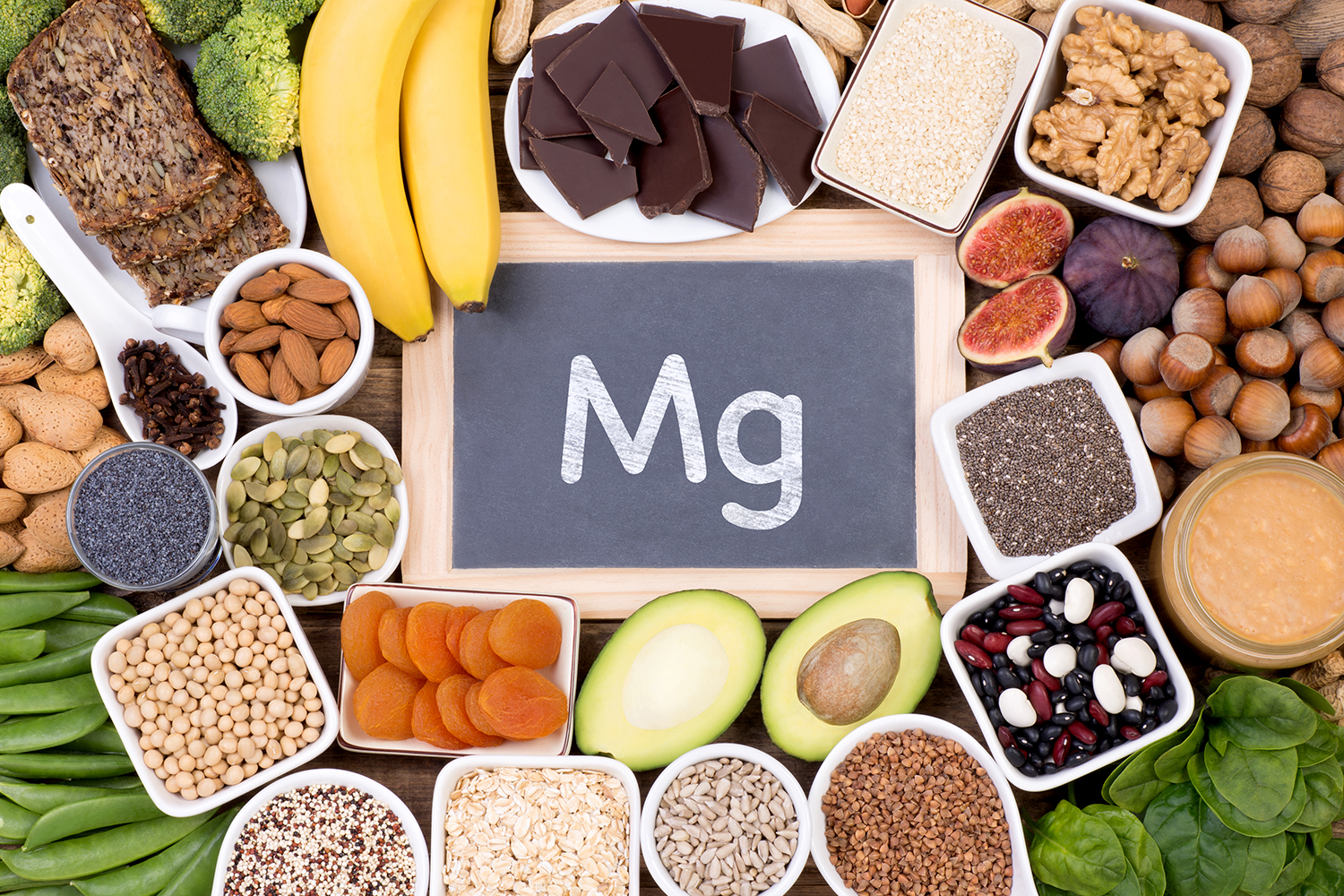
Food Sources of Magnesium

This mood mineral can be found in:

  • dark green, leafy veggies, like:
    • spinach
    • kale
    • collard greens
  • legumes and peas
  • whole grains
  • nuts, especially:
    • almonds
    • cashews
    • peanuts
  • milk and yogurt
  • dark chocolate

Magnesium Deficiency

Despite magnesium’s widespread availability in food sources, medical research has shown that Americans consistently struggle with magnesium deficiency, not getting the daily recommended amounts.

Part of the reason is that modern soils have been depleted of this mineral. Another factor is that there is too much reliance on processed foods in American diets. Conditions that increase likelihood of a deficiency include obesity and diabetes.

Diagnosing Magnesium Deficiency

However, some people may not be aware of their magnesium deficiency because the mineral works inside cells, not while coursing through the bloodstream.

A deficiency often won’t show up in a blood test, so diagnosis is a challenge.

Although difficult to discover, magnesium deficiencies are common: Up to 80 percent of Americans do not get enough magnesium.

In addition to dietary shortages, deficiencies can also be caused by overactive stress hormones or too much calcium.

Symptoms of Magnesium Deficiency

Low magnesium levels can lead to medical issues including:

Low magnesium levels are also linked to Alzheimer's disease, migraines, and ADHD.

Other symptoms of magnesium deficiency include:

Who is at Risk?

People who are particularly at risk for low magnesium levels include:

  • those who drink alcohol regularly
  • those with gastrointestinal diseases
  • postmenopausal women
  • the elderly

Supplementing with Magnesium

Taking a magnesium supplement is an easy way to get the recommended daily intake.

However, most multivitamins contain less than 100 milligrams (mg) of magnesium, so taking a separate magnesium supplement may be the best way to reach the Recommended Dietary Allowance (RDA).

The National Institutes of Health RDA recommendations are: 310 mg for women 19-30; 400 mg for men 19-30; 320 mg for women 31 and older; 420 for men 31 and older.

Pregnant women need higher levels of magnesium: 400 mg for ages 14-18; 350 mg for ages 19-30; and 360 for ages 31-50.

There are different forms of magnesium that perform differently in the body.

Research indicates that some people who take magnesium supplements may experience significant improvements in lipoproteins, C-reactive protein, fasting glucose, and insulin resistance.

Magnesium for Calm

It’s also known as “the mood mineral” because it helps decrease feelings of stress, anxiety, and depression.

The Washington Post listed magnesium as one of the ten nutrients that can "lift your spirits," due to the large role it plays in the development of serotonin, a hormone linked to feelings of happiness and well-being.

It has also been called an antistress mineral as it can help prevent feelings of nervousness or irritability.

PsychologyToday.com reviewed scientific studies of the mineral and labeled it the “original chill pill,” because of evidence supporting its health and calming benefits.

“10 Nutrients That Can Lift Your Spirits” by Maya Dangerfield and greatist.com, washingtonpost.com

"Effectively prescribing oral magnesium therapy for hyptertension: A categorized systematic review of 49 clinical trials" by A. Rosanoff, Nutrients, 1/10/21

"Magnesium in Prevention and Therapy" by U. Grober et al., Nutrients, 9/15

“Implications of Magnesium Deficiency in Type 2 Diabetes: A Review” by D.P. Chaudhary et al., Biological Trace Element Research

“Magnesium,” University of Maryland Medical Center, http://umm.edu, 2011

“Magnesium”, National Institute of Health, ods.od.nih.gov

“Magnesium and the Brain: The Original Chill Pill” by Emily Deans MD, psychologytoday.com

“Magnesium for Cardiovascular Health: Time for Intervention” by Y. Song and S. Liu, American Journal of Clinical Nutrition

“Magnesium Supplementation for the Management of Primary Hypertension in Adults” by H.O. Dickinson et al., Cochrane Database of Systematic Reviews

“Suboptimal magnesium status in the United States: Are the health consequences underestimated?” by A. Rosanoff et al., Nutrition Reviews

"An update on magnesium and bone health" by M. Rondanelli et al., BioMetals, 8/21

"Why magnesium is so important for your health" by Hattie Garlick, The Telegraph, 12/17/23

Contributor

Pamela Bump

Pamela is the Audience Growth Manager for the HubSpot Blog and holds an M.S. in Media Ventures from Boston University. Before HubSpot, she was Taste for Life’s first Web Editor & Social Media Expert and Harvard Business Review’s first Growth Editor.  In her roles, she’s managed content strategy, social media, and audience growth tactics.

Although her career is focused on digital marketing and editorial innovation, she continues to write for TFL to quench her thirst for food blogging and health journalism.

Choosing the Right Multivitamin

By Maria Noël Groves, RH (AHG)

Nine out of ten Americans’ diets don’t hit the bare-bones baseline recommendations for key vitamins and minerals, particularly:

Multivitamins can’t make up for bad dietary choices, but they can help close the gap on nutrient deficiencies.

Even Americans who aren’t technically deficient in a particular vitamin or mineral (for example, getting enough vitamin C to prevent scurvy) may not be getting optimal levels for vitality and well-being.

Choosing a Multivitamin

No one multivitamin works for everyone, but in the sea of choices, you’ll easily find one that’s perfect for you.

  • Find Natural Ingredients

    Check out the fine print!

    Look for ingredients like d-alpha tocopherols (versus synthetic dl-alpha) for vitamin E and natural carotenoids under vitamin A, which will be better utilized by the body.

    Avoid synthetic flavors, colorings, and preservatives in the “Other Ingredients” list, and avoid adulterated supplements.

  • Potency and Quality

    Sometimes a lower-potency multivitamin easily outweighs a mega-dose tablet because the lower-potency one offers high-quality forms of each ingredient.

    If this doesn’t it your budget, stick to a basic once daily multivitamin.

    • High-Quality Forms

      Consider paying more for the multivitamin with higher-quality vitamins and minerals, such as:

      • co-enzyme B vitamins

      • methylcobalamin B12 (instead of cyanocobalamin)

      • the selenomethionine form of selenium

    • Food-Sourced Vitamins

      Consider food-sourced, fermented, and/or organic multivitamins (but expect lower doses of each vitamin). These forms are generally better utilized by the body and cause less digestive upset, but they’re not cheap.

  • Easy to Swallow

    Glance at the pill size if possible (rattle opaque bottles) to make sure it’s something you can comfortably swallow, opting for smooth edges.

  • Breaks Down Well

    Capsules break down more easily but don’t hold as much as tablets. Pop a pill in water with a splash of vinegar to get an idea of how well it breaks down.

  • Timing and Dosage

    Look at the tiny print under “Supplement Facts” to see how many pills you’re expected to take per day to get the doses listed for each vitamin and mineral.

    • Multi Daily

      The more pills per day, the more optimal those levels should be—especially for bulky ingredients like calcium and magnesium.

      (You’re usually better off taking an additional cal-mag supplement regardless of the amount offered by your multi.)

    • Once Daily

      If you know you’re not likely to take more than one pill per day, stick with a “once daily” vitamin, which will give you more optimal levels of micronutrients like B vitamins, vitamins C and D, and microminerals in one pill.

  • For a Sensitive Stomach

    • Control Your Dosage

      High doses of B vitamins and zinc make some people queasy.

      Choose a two-(or more)-a-day multi so you can divide the dose, or choose a food-sourced brand.

    • Don't Take on an Empty Stomach

      Always take your multivitamin with food, ideally a solid breakfast.

  • For Specific Groups

    • Men and Older Women

      Multis geared toward men and older women usually don’t contain iron and often offer additional ingredients such as lycopene and targeted herb blends (in low doses).

    • Pregnant Women

      Prenatals target healthy fetal growth with more folate and iron and less vitamin A.

      For the most nutrition support or for sensitive stomachs, choose a prenatal with several pills per day. But if you know you’re apt to take only one, go for a once-daily formula.

    • Seniors with Meds

      Some multivitamins for elders are less likely to interact with meds, but always check with your healthcare practitioner.

    • Vegans / Vegetarians

      Seek vegan or vegetarian multivitamins if you want to avoid animal ingredients.

“2018 CRN consumer survey on dietary supplements," Council for Responsible Nutrition, 10/18

“The dietary supplement consumer,” 2015, Council for Responsible Nutrition

Contributor

Manage Stress with Supplements

Relax and get better sleep

By The Taste for Life Staff

Herbs and supplements can make a difference when it comes to controlling stress and anxiety.

Supplements for Stress

  • The Ray of Sunshine You Need is Found in Vitamin D

    Supplement with vitamin D3. Sunlight can be scarce during the winter, depleting our vitamin D reserves.

    There is quite a bit of evidence that vitamin D deficiency plays a role in Seasonal Affective Disorder (SAD), which is just another term for the wintertime blues.

  • Improve Your Mood with Vitamin B

    B vitamins can also help control stress and depression.

    One clinical study showed that supplementation with B complex over three months helped people improve mood and reduce stress.

Herbs for Stress

There are a wide variety of herbs that also help combat stress. Here are a few stress relieving herbs to look into.

  • Find Balance with Ashwagandha

    An Ayurvedic herb, ashwagandha, also known as Indian ginseng, has been shown to reduce cortisol levels for people with chronic anxiety.

    It also helps control stress, balance hormones, and improve cognition.

  • Passionflower for Relaxation

    Passionflower influences GABA, a neurotransmitter which promotes relaxation.

  • The Calming Effects of Lavender

    Lavender is a wonderful herb that can calm anxiety and act as a sleep aid.

    The flowers can be used in tea, whereas lavender essential oil is highly concentrated and should only be used externally on the skin (diluted with a base like almond oil), added to a bath, or in an aromatherapy vaporizer.

  • Honokiol is the Anti-Anxiety Antioxidant

    Another great recommendation is the extract honokiol. An active compound derived from magnolia bark, honokiol also works on GABA receptors, providing calming mood support.

    Numerous preclinical studies have demonstrated the significant anti-anxiety effects of this compound, without side effects.

    The botanical is also a powerful antioxidant, 1,000 times stronger than vitamin E.

    In addition, honokiol actively promotes cellular health of the breasts, prostate, lungs, and other areas, and fights inflammation, which often occurs after intense exercise.

Contributor

The Taste for Life Staff

The Taste for Life staff come from a wide variety of backgrounds and specialties. We believe learning is a life-long process, and love to share the knowledge we gain.

Medicinal Uses for Lavender

Discover the Healing Properties

By The Taste for Life Staff

The herb lavender has been used for centuries for therapeutic reasons.

General Uses for Lavender

Abundant in perfumes, potpourris, and bath and body products, lavender’s flowers are also edible and found in the famous seasoning ingredient Herbes de Provence.

Lavender essential oil can be used as an ingredient in homemade cleaning products, including disinfecting the toilet bowl.

Therapeutic Uses for Lavender

This herb has many other benefits, including analgesic, antibacterial, antidepressant, antifungal, anti-inflammatory, antiseptic, sedative, and more.

  • Topical Care

    • Skin Care

      Applied topically, undiluted lavender essential oil can help treat acne, athlete’s foot, and bee stings.

    • Calming Effects

      Rubbing lavender cream onto the legs before bedtime significantly reduced anxiety, stress, and depression in pregnant women, according to a 2015 study.

      The women applied the cream for 10 to 20  minutes each night for eight weeks. Some of the women also included a warm foot bath in their nightly routine. The women were 25 to 28 weeks pregnant at the start of the trial.

  • Tea for Body Care

    Lavender tea can be used as a mouthwash to eliminate bad breath or as a footbath to relieve fatigue.

  • Aromatherapy

    • Stress and Depression

      Simply smelling lavender’s scent can help relieve feelings of stress and depression. Inhaling lavender has been shown in studies to significantly lower anxiety levels (but not blood pressure).

    • Sleep and Anxiety

      The use of lavender essential oil was found to lower overall anxiety and improve the sleep of cancer patients undergoing chemotherapy treatments.

  • Soothing Baths

    To soothe cranky children (or yourself!), add lavender herb oil to bathwater. The uplifting scent of lavender might be a great tool to help fight low mood and feelings of anxiety during the winter months.

  • Massage Oil

    Added to massage oil, lavender can help treat sore muscles, cellulite, and rheumatism.

"Aromatherapy: The effect of lavender on anxiety and sleep quality in patients treated with chemo therapy" by A. Ozkaraman et al., Clinical Journal of Oncology Nursing, 4/18

"Effects of lavender on anxiety: A systematic review and meta-analysis" by D. Donelli et al., Phytomedicine, 12/19

“Re: Topical Lavender Cream Alleviates Anxiety, Stress, and Depression in Pregnant Women,” by Heather S. Oliff, PhD, HerbClip, http://cms.HerbalGram.org, 5/29/15

Contributor

The Taste for Life Staff

The Taste for Life staff come from a wide variety of backgrounds and specialties. We believe learning is a life-long process, and love to share the knowledge we gain.

Natural Pain Relief for Dogs

Is Your Best Friend In Pain?

By Cheryl Myers
We host blogs from some of the leading voices in natural health and wellness. Opinions and views expressed by the author are their own, and do not necessarily represent those of Taste For Life or its editorial staff. Please contact Cheryl Myers with any questions about this content.

I don’t think there is a feeling quite so sad and helpless as seeing your beloved dog in distress. And yet dogs tolerate a great deal of pain, often without complaint.

How to Tell If Your Pet's in Pain

Sometimes it is easy to know when your pet is uncomfortable. If your dog doesn’t like to be handled or yelps when you touch a certain area, it is reasonable to conclude that something is wrong.

There are other, less direct signs a dog is in pain:

  • She may hide or have a reduced activity level.
  • She may appear fearful or breathe heavily.
  • She may stop eating or refuse to go on her beloved walks.

All these can be signs of pain.

When to Call a Professional

At the first sign of pain, your dog should be examined by a trained professional to determine the cause.

Laska's Story

My Siberian husky, Laska, suffered an unusual pain experience.

If you know the breed, you know they have that spitz-curled tail they carry over their bodies like a giant apostrophe. One day, her tail was limp and dragging behind her.

I had never seen her tail like this before. I had seen her tail lowered when she was angry or fearful, but not limp and immobile. She seemed to be fine—she ate, drank, jumped on the sofa next to me. However, I knew something was very wrong.

I took her to the vet, who said she either had a broken or severely strained tail. Bad on me—I didn’t know dogs could break their tails. He told me it was painful, but huskies can be very stoic about pain.

He gave me some pain medicine and said to monitor for a week, and if no improvement, I’d need to bring her back for more x-rays and potential surgery.

Fortunately, her tail was back to normal in a few days, and she was good to go.

Pharmaceuticals for Pain Relief in Pets

This happened many years ago, and the drugs the veterinarian gave me were in a class called nonsteroidal anti-inflammatory drugs, or NSAIDs. I used them without questions because I didn’t want her to be in pain, and I figured the vet was the expert.

Fortunately, we used them for only a few days, but many dogs are on these drugs for months or years.

In humans, these drugs include ibuprofen and naproxen, sold under brand names like Motrin, Advil, and Aleve. Some common NSAIDs for dogs include:

  • carprofen (e.g. Rimadyl)
  • meloxicam
  • robenacoxib (Onsior)

Robenacoxib is approved for only 3 days of use at a time due to toxicity.

The dog owner is faced with some very difficult choices when deciding whether to use these drugs for a dog’s pain, because they can cause serious side effects and shorten the dog’s life.

Side Effects of Carprofen

According to the VCA Veterinary Hospital’s drug side effect page, carprofen’s side effects include “gastrointestinal upset, such as mild vomiting, diarrhea, constipation, fatigue and temporary lack of appetite."

"More serious side effects include liver, kidney, or gastrointestinal damage characterized by severe vomiting, diarrhea, black or bloody stools, bloody vomit, increased drinking and/or urination, yellow skin or eyes, severe lethargy, and persistent lack of appetite."

"Other reported serious side effects include neurologic signs such as incoordination, paralysis, seizures, or disorientation; behavior signs such as restlessness or aggression; skin effects such as itchiness, hair loss, or scabs/wounds; or allergic reactions such as facial swelling or hives."

"Your veterinarian may see blood abnormalities such as low red blood cell or platelet counts. Carprofen may also affect lab tests, such as thyroid levels, liver enzymes, blood cell counts, potassium levels, kidney values, and bleeding times.”

Wow. That is quite a list. Fortunately, there are some excellent natural interventions that do not cause serious side effects or shorten life span.

Natural Pain Relief for Pets

While there are many products that can help with pain and inflammation, some of the most successful and scientifically studied include curcumin, boswellia, hemp phytocannabinoids (of which CBD is only one), glucosamine, and chondroitin.

As research continues, the list of effective supplements for dogs continues to grow.

When we look at scientific research, the progression often begins with cell culture (in vitro) studies, then moves up to animal studies, and if the data is good, on to human studies.

  • Curcumin and Boswellia

    In the case of curcumin and boswellia, there are indeed canine studies, but the vast amount of clinical research is on humans.

    Therefore, this is a situation where the order is somewhat reversed: The natural medicines have been tested in humans and are now used in dogs!

    Though there are few dog studies using these herbs for pain and inflammatory conditions, the safety and human studies prove that an herbal combination of powerful anti-inflammatory herbs can be effective and safe for both long-term and short-term use.

    And instead of liver damage, curcumin and boswellia have benefits for liver health.

    Studies

    Some of the top causes of canine pain are inflammatory conditions, such as:

    • joint dysplasia
    • arthritis
    • disc problems
    • injury

    Curcumin and boswellia have several published human studies on these conditions, especially arthritis.

    There is a canine safety and absorption study on enhanced-absorption curcumin with turmeric essential oil (BCM-95) that demonstrates safety and a 700 percent increase in absorption.

    With Celebrex

    One human study compared the combination of enhanced absorption curcumin with turmeric oil and high-AKBA boswellia to the prescription drug celecoxib (one brand is Celebrex) for osteoarthritis of the knee.

    The herbal combination was significantly better than the drug on overall pain relief, distance walked without pain, and joint line tenderness.

    And just as important as the very effective pain relief, the adverse effects were fewer and less severe in the herbal group.

    With Meriva

    Another human study of the enhanced-absorption curcumin phytosome (Meriva) showed that long term administration of curcumin is both safe and effective for arthritis and other parameters of inflammation.

  • Glucosamine and Chondroitin

    I group these two interventions together because they are technically neither anti-inflammatory nor pain relievers, but are instead building blocks to increase joint strength, cushioning, and flexibility.

    As the health of the joint improves, inflammation and pain subside, so in the long run, these compounds have excellent potential for pain relief in chronic conditions like arthritis or other forms of disc or joint disease. They are not as useful for short-term, acute pain.

    I like using glucosamine and chondroitin together as they address joint health from different perspectives and work well synergistically.

    Studies

    In a published randomized, double-blind study, for osteoarthritis of the hips or knees:

    • 35 dogs were given a combination of glucosamine and chondroitin.
    • Another group of dogs was given carprofen.

    After 70 days, the veterinarians found:

    • The glucosamine/chondroitin group significantly improved in scores for:
      • pain
      • weight-bearing
      • severity of the condition
    • The carprofen group also showed significant improvements.

    The researchers noted that glucosamine/chondroitin took longer to demonstrate improvement than the drug group but was also much less likely to cause adverse effects.

    Precautions

    It is important to note that while glucosamine is a small molecule, whether sulfate or hydrochloride, and easy to absorb, chondroitin can be a challenge. Some chondroitin molecules are too large to be absorbed.

    Therefore, for an effective supplement, look for a chondroitin used specially in published trials with positive benefits, or one that is controlled for molecular size.

  • Hemp Phytocannabinoids

    You notice I did not call this section “CBD.” CBD stands for cannabidiol, which is only one phytocannabinoid from hemp. There are more than 100 found in this amazing plant!

    Some of the hemp cannabinoids are anti-inflammatory, some contribute to bone density, some regulate immune activity, and many are involved in controlling or eliminating pain.

    Therefore, the full spectrum, which includes a good dose of CBD, is more powerful than using CBD alone.

    Note that full-spectrum hemp oil with THC is not marijuana, and the THC in marijuana can cause significant toxicity. The two are not interchangeable.

    Studies

    The two biggest areas of study on phytocannabinoids in dogs are in pain/inflammatory conditions, and seizures, with positive reports on both.

    In a study of canine osteoarthritis, dogs given hemp-derived CBD decreased pain and increased mobility significantly in a dose-dependent manner, meaning higher doses yielded better results. However, dosing can vary considerably, based on the dog’s height and weight.

    Another study on hemp-derived CBD for osteoarthritis pain used 2 mg of CBD per kg of body weight twice daily. A kilogram is 2.2 pounds.

    According to this formula, a 15 lb. dog would take 12 mg CBD twice daily, and a 50 lb. dog would take 44 mg twice daily.

    This is only one formula, based on one study, and other researchers recommend more or less, depending on their own studies.

  • Other Interventions

    As usual, this is not an all-inclusive list.

    • DHA and EPA, omega-3 fatty acids from fish, are excellent at both prevention and treatment of conditions that cause chronic pain.
    • Collagen is a very beneficial building block.
    • Green tea extract is both a proven antioxidant and anti-inflammatory for dogs.

“Boswellia serrata: an overall assessment of in vitro, preclinical, pharmacokinetic and clinical data” by M. Abdel-Tawab et al., Clinical Pharmacokinetics

“Carprofen” by R. Gollakner, www.VCAhospitals.com

“Combined chondroitin sulfate and glucosamine for painful knee osteoarthritis . . .” by M.C. Hochberg et al., Annals of the Rheumatic Diseases, 1/16

“Effect of glucosamine and chondroitin sulfate in symptomatic knee osteoarthritis: a systematic review and meta-analysis . . .” by M. Simental-Mendia et al., Rheumatology International, 8/18

“Phytomedicine in joint disorders” by D. Dragos et al., Nutrients, 1/17

“Randomised double-blind, positive-controlled trial to assess the efficacy of glucosamine/chondroitin sulfate for the treatment of dogs with osteoarthritis” by G. McCarthy et al., Veterinary Journal

“A randomized, pilot study to assess the efficacy and safety of curcumin in patients with active rheumatoid arthritis” by B. Chandran and A. Goel, Phytotherapy Research, 11/12

“US veterinarians’ knowledge, experience, and perception regarding the use of cannabidiol for canine medical conditions” by L. Kogan et al., Frontiers in Veterinary Science, 1/19

Contributor

Cheryl Myers

Cheryl Myers, RN, is an integrative health nurse, author, and expert on natural medicine. She is a nationally recognized speaker who has been interviewed by the New York Times, Wall Street Journal and Prevention magazine. Her articles have been published in Aesthetic Surgery Journal and Nutrition in Complementary Care, and her research on botanicals has been presented at the American College of Obstetrics and Gynecology and the North American Menopause Society. Follow Cheryl on Facebook! 

Supplements for Better Blood Sugar

By The Taste for Life Staff

Sweet news! Many plants and their extracts can help treat or prevent Type 2 diabetes.

While effective, people on antidiabetic medications should discuss the use of any herb with their healthcare practitioner.

Botanicals for Blood Sugar

Well-known botanicals with positive effects on blood sugar include:

  • cinnamon
  • fenugreek
  • maitake mushrooms
  • turmeric

Three more to add to the list are bitter melon, garlic, and gymnema.

  • Bitter Melon

    Also known as ampalaya or bitter cucumber, bitter melon is available as tea, juice, powder, or capsules. It is not recommended for pregnant women. 

    Bitter melon reduces blood sugar and improves glucose tolerance, making it an effective supplement for people with Type 2 diabetes.

    How It Works

    Such individuals don’t produce enough insulin, so they have an impaired ability to convert sugar in their blood into energy in their muscles.

    Exercise is part of the treatment for Type 2 diabetes because it activates the enzyme AMPK, which helps move glucose from the blood into muscles and other tissues.

    In laboratory research, scientists have identified compounds in bitter melon that, like exercise, activate AMPK.

    Safety

    Diabetes drugs do the same thing, but they can have side effects.

    “The advantage of bitter melon is that there are no known side effects,” says Jiming Ye, PhD, who was involved in the study that identified bitter melon’s glucose-mediating compounds.

    “Practitioners of Chinese medicine have used it for hundreds of years to good effect.”

  • Garlic

    Garlic appears to lower glucose levels and improve insulin sensitivity, but its benefits for people with diabetes may go well beyond that.

    How It Works

    Researchers fed garlic oil to rats with diabetes and saw beneficial changes associated with protection against heart damage.

    The changes appeared to be linked to garlic’s potent antioxidant properties.

    Garlic and Cardiomyopathy

    People with diabetes have a significantly heightened risk of death from heart disease.

    Among them is cardiomyopathy, which inflames and weakens the heart’s muscle tissue. It's a leading cause of death in people with diabetes.

    A recent study in the Journal of Agricultural and Food Chemistry found that garlic oil has strong potential for preventing it.

  • Gymnema

    When taken in supplement form, gymnema can help lower blood sugar after meals.

    How It Works

    Gymnema leaf is believed to improve insulin release and glucose uptake.

"Garlic intake lowers fasting blood glucose . . ." by H. Li-quiong et al., Asia Pacific Journal of Clinical Nutrition, 2015

"Herbal medicines for diabetes management and its secondary complications" by K. Shubham et al., Current Diabetes Reviews, 2021

"Hypoglycemic efficacy and safety of Momordica charantia (bitter melon) in patients with Type 2 diabetes mellitus" by S.K. Kim et al., Complementary Therapies in Medicine, 8/20

"Organosulfur compounds in aged garlic extract ameliorate glucose induced diabetic cardiomyopathy" by V. Rani and K. Sharma, Cardiovascular and Hematological Agents in Medicinal Chemistry, 2/23

Contributor

The Taste for Life Staff

The Taste for Life staff come from a wide variety of backgrounds and specialties. We believe learning is a life-long process, and love to share the knowledge we gain.

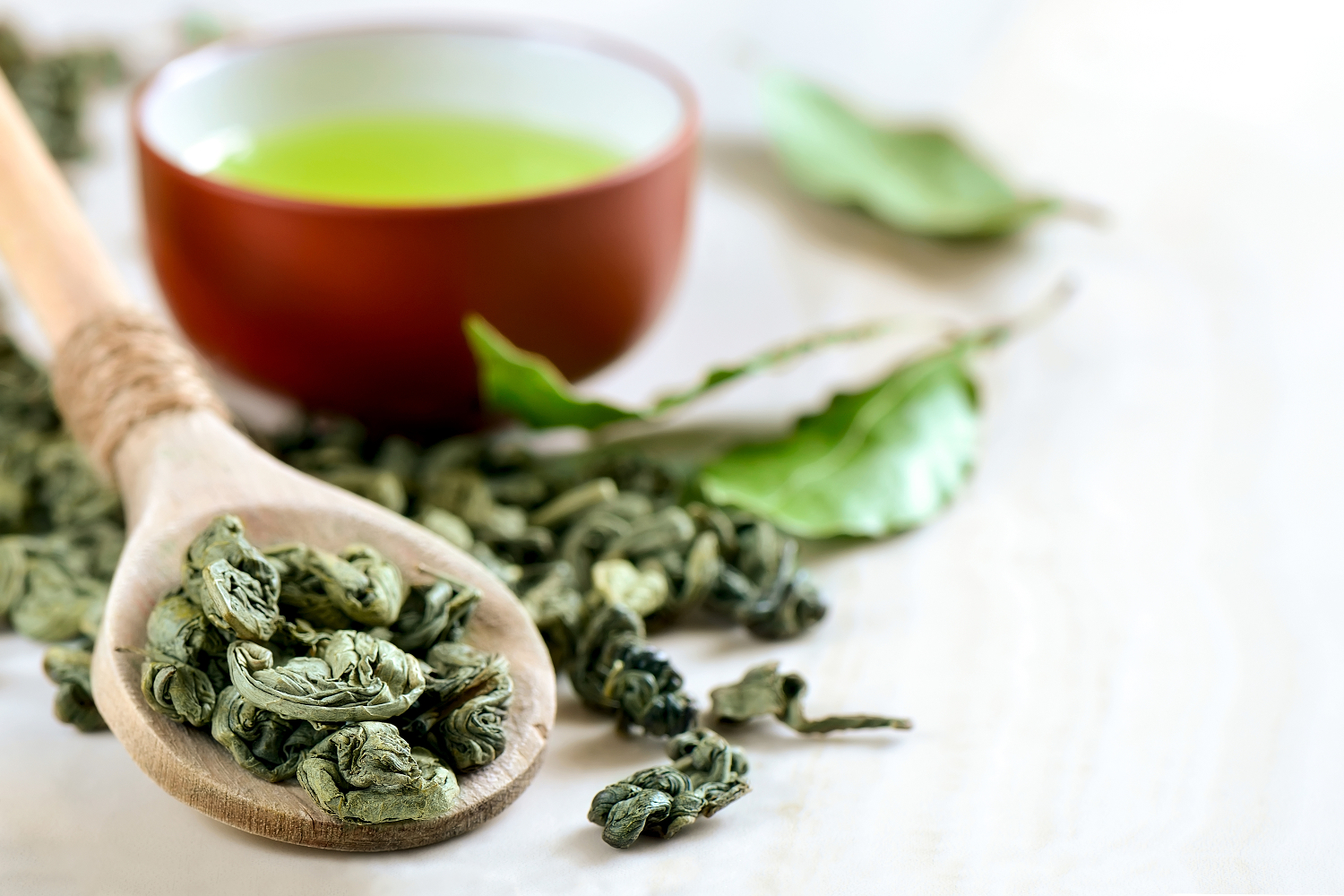
Green Tea for Weight Loss

By Maria Noël Groves, RH (AHG)

When it comes to weight loss, diet and exercise remain the most effective methods.

However, some dietary supplements can also lend a hand.

Green tea is one of the safest, best researched, and most effective options. 

Green Tea for Weight Loss

Both caffeine and catechins (antioxidant polyphenol compounds including epigallocatechin gallate or EGCG) in green tea have thermogenic properties that increase energy (calorie) expenditure and burn fat.

Studies suggest green tea can lead to modest weight reduction, making it an effective boost to diet and exercise efforts.

In a small study of healthy men, those taking green tea extract burned 17 percent more fat while cycling compared to those taking a placebo. In this study, green tea also improved insulin levels and insulin sensitivity.

In another study, obese patients who took green tea extract while dieting lost three times more pounds and more significantly reduced their body mass index (BMI) compared to those who just dieted.

The Role of Caffeine

While caffeine does help boost exercise performance by about 11 percent, it may not be the most important player.

Black tea, which is higher in caffeine but lower in antioxidants, is not as effective as green tea.

Catechin Antioxidants

Studies show that EGCG aids weight loss in part by increasing the breakdown of fatty acids associated with obesity.

In a study of 40 obese women, those who took a decaffeinated green tea blend after a three-month lifestyle intervention continued to lose weight and decrease fat mass while those who took a placebo gained weight.

Catechins and The Microbiome

The antioxidants in green tea have other perks.

Green tea’s catechins may also impact gut microbes in a way that favors weight loss.

The catechins in green tea decrease the fat and protein absorption in the intestines, which reduces the calorie intake from the food you eat, and improves your body’s ability to use fat and protein as fuel.

Drinking Green Tea

Drinking tea is quite safe; it is the second-most popular drink worldwide after water.

Choosing a Tea

You can reap the most antioxidants from a cup of green tea by purchasing high-quality loose tea, using hotter water, and letting it steep longer (though if you let it steep too long, it gets bitter).

Drinking Enough Tea

To get the best weight-loss results, aim for three to four cups of green tea per day, delivering 600 to 900 milligrams (mg) of catechins.

One cup of green tea usually contains 240 to 320 mg catechins and 45 mg of caffeine.

Storing Green Tea

Green tea may get fishy tasting if stored too long. Green tea should always have a fresh scent, flavor, and color—both dry and brewed.

Store green tea in a tightly sealed container in a cool, dark, dry spot or—especially for long-term storage—the fridge.

Green Tea Supplements

Several cases of liver toxicity related to green tea weight-loss products have surfaced over the years.

The risk appears to be greatest in multi-ingredient weight-loss products and may involve adulteration.

When purchasing green tea supplements, opt for high-quality brands and take with food to reduce risks.

“Dietary supplements for weight loss,” National Institutes of Health, https://ods.od.nih.gov

“Effects of greenselect phytosome on weight maintenance after weight loss in obese women: A randomized placebo-controlled study” by L. Gilardini et al., BMC Complementary and Alternative Medicine, 2016

“Green Tea Extract Ingestion, Fat Oxidation, and Glucose Tolerance in Healthy Humans” by M.C. Venables et al., American Journal of Clinical Nutrition

“Mechanisms of body weight reduction and metabolic syndrome alleviation by tea” by C.S. Yang et al., Molecular Nutrition & Food Research, 1/16

“A minireview of effects of green tea on energy expenditure” by D. Turkozu and N.A. Tek, Critical Reviews in Food Science and Nutrition, 1/22/17

“Nutraceuticals for body-weight management: The role of green tea catechins” by P.L. Janssens et al., Physiology & Behavior, 8/1/16

Contributor

St. John's Wort for Seasonal Depression

Keep your mood sunny

By Lynn Tryba

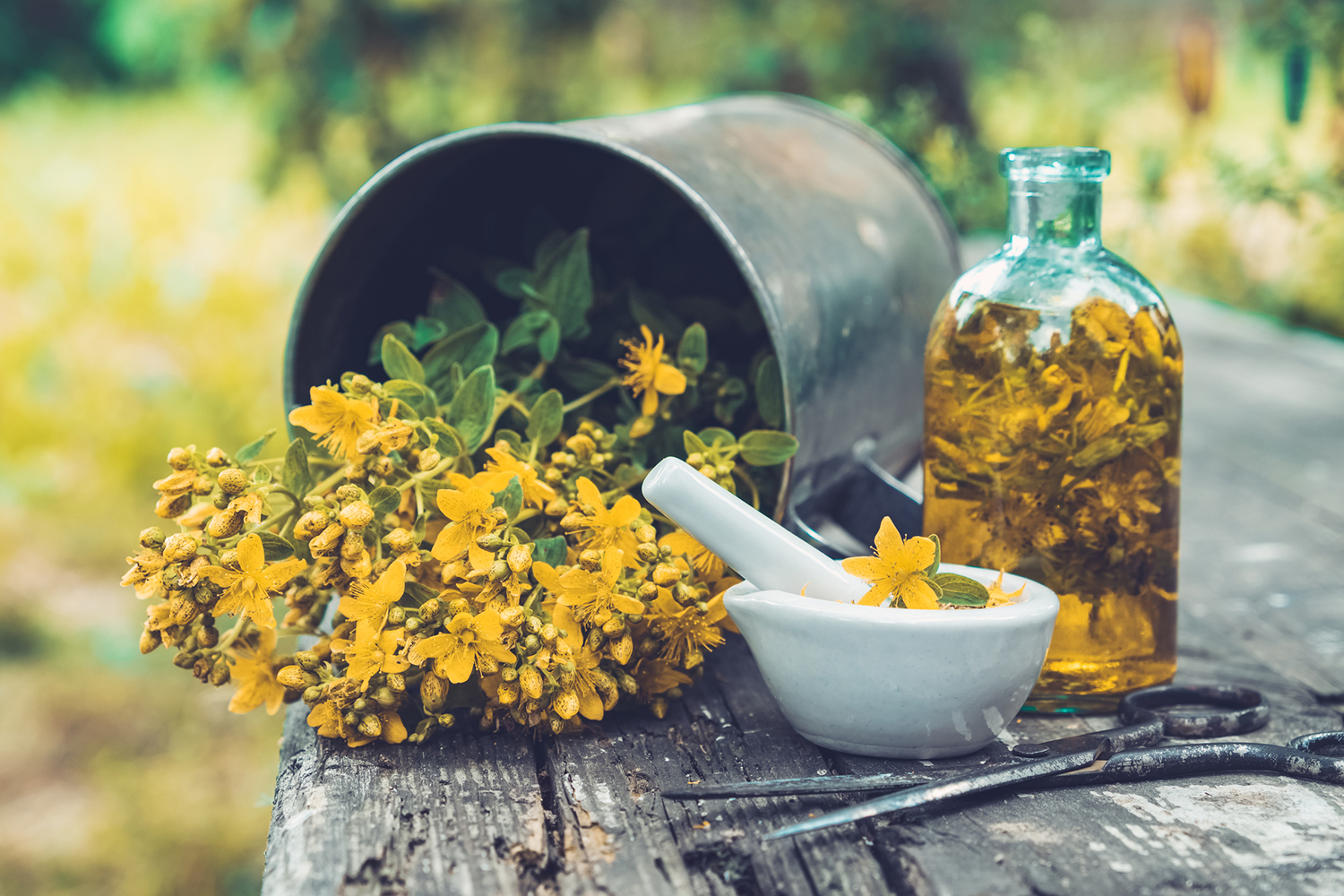
St. John’s wort (Hypericum perforatum) has been used for mental health conditions for more than 2,000 years and is currently prescribed for depression in Europe.

In the United States, it’s a commonly used herbal supplement for seasonal affective disorder (SAD).

What is Seasonal Affective Disorder (SAD)? 

SAD is a type of depression with a recurring seasonal pattern.

People with SAD experience major depression that coincides with specific seasons—typically when daylight hours decrease from October through March. (Some people experience SAD in the summer.)

What Are the Symptoms of Seasonal Affective Disorder?

For those with winter SAD, symptoms include:

  • low energy
  • excessive daytime sleepiness
  • carb cravings
  • overeating
  • weight gain
  • withdrawing from people to “hibernate”

How Common is Seasonal Affective Disorder?

Approximately 5 percent of the population suffers from seasonal affective disorder (SAD).

What Causes Seasonal Affective Disorder?

  • Irregular Serotonin Levels

    Researchers believe people with SAD have trouble regulating serotonin, a neurotransmitter involved in mood.

  • High Melatonin

    They may also overproduce melatonin, a hormone that regulates sleep.

  • Vitamin D Deficiency

    SAD has also been linked to insufficient vitamin D, which plays a role in serotonin activity.

Natural Remedies for Seasonal Depression

Several strategies have been shown to help alleviate SAD.

  • Light Therapy (daily exposure to artificial light)
  • Vitamin D Supplementation
  • Cognitive Behavioral Therapy
  • Taking St. John's Wort

St. John's Wort for SAD

Clinical trials typically use dosages of 300 milligrams (mg) of St. John’s wort for adults, three times a day.

Precautions for St. John's Wort

If you’re interested in the herb, but are on medication, please take note of these precautions.

  • Interaction with Antidepressants

    Combining it with some antidepressants can lead to a potentially life-threatening increase in serotonin.

  • Weakening Other Medications

    St. John’s wort can also weaken certain medications, including birth control and blood thinners, as well as some cancer and HIV drugs. Consult with your healthcare practitioner before taking St. John’s wort.

“Seasonal Affective Disorder,” National Institute of Mental Health, https://www.nimh.nih.gov

“Seasonal Affective Disorder and complementary health approaches: What the science says,” 1/19; “St. John’s wort and depression: In depth,”  National Center for Complementary and Integrative Health, https://nccih.nih.gov

Contributor

Lynn Tryba

Chief Content Officer

Lynn aims to empower people to make informed decisions about their health and wellness by presenting the latest research on exercise, nutrients, herbs, and supplements in reader-friendly ways. She has a deep respect for the power of food as preventive medicine and believes that small steps in the right direction make a big difference.

How to Balance Blood Sugar Naturally

Enjoy a Longer (and Better!) Life

By Cheryl Myers
We host blogs from some of the leading voices in natural health and wellness. Opinions and views expressed by the author are their own, and do not necessarily represent those of Taste For Life or its editorial staff. Please contact Cheryl Myers with any questions about this content.

Does anyone remember Sugar Pops, Sugar Frosted Flakes, or Sugar Crisp?

A few decades back, parents had no idea of the approaching sugar and corn syrup tsunami that was about to drown American health.

Generation Sugar

At that time, “sugar” in the name of a breakfast cereal was appealing, not alarming.

I remember my parent’s idea of a healthy breakfast:

  • Sugary cereal (I was a Captain Crunch fan) in skim milk.
  • Wonder bread toasted and slathered with margarine (so much better than that nasty animal fat, butter!)
  • A glass of Tang (on cold winter mornings, substitute Ovaltine in warm milk).

I imagine many of you, especially if you are over 40, have had similar experiences.

Don't Believe the Marketing Hype! 

Our parents loved us. Their mistake was in believing whatever was said on television.  And the television said this was a healthy breakfast.

Remember, television was newer in the 1950s and 60s, and the average American had yet to understand its incredible power. It seems that Big Food figured it out much earlier and made a fortune marketing foods that taste good (more sugar!) but are nutritionally devastating.

It is similar to the marketing strategies for Big Tobacco.

Fat vs Sugar, Who is the Culprit?

For far too many years, we vilified fat as the cause of all our health woes, when in fact, the true culprit was sugar and other refined carbohydrates.

It turns out that as early as the 1950s, the sugar industry started paying for research that minimized the risks of sugar and targeted fat as the “real” health hazard.

In fact, historians have found that as far back as 1954, sugar executives were lobbying to get Americans to eat a low fat diet (for their health!), knowing those calories would be replaced by something else – sugar!

This campaign was incredibly successful. Americans now eat more sugar than any country in the world.

Daily average sugar intake in India? 5 grams. Italy? 58 grams.

The United States? 126 grams. That is the equivalent of about 32 teaspoons of sugar.

Is it any wonder that our rates for type 2 diabetes are astronomical, and if left unchecked, in only 12 years, more adults will have diabetes than those who don’t?

Now we must face the difficult task of repairing the damage that excessive intake of sugars and simple carbohydrates has caused. Whether you are concerned with prevention or already have blood sugar issues, it is never too late to improve.

Frightening Diabetes Facts

If you need motivation, there are some pretty alarming numbers associated with diabetes and blood sugar dysfunction.

According to the Centers for Disease Control and Prevention, each year there are almost 80,000 deaths in the United States attributed to diabetes.

Lifespan with Diabetes

Type 2 diabetes causes a shorter lifespan due to an increase in health conditions like cardiovascular and kidney disease.

In a study looking at over 400,000 people with diabetes and two million matched controls, people with diabetes were on average 13 to 15 percent more likely to suffer from a cardiovascular-related death than the control population.

The increased incidence of cardiovascular death associated with diabetes was more prevalent in people who were of a younger age, had poor blood sugar control, and had greater renal complications.

Lifespan and HbA1C Levels

People less than 55 years old with a hemoglobin A1C level (a measure of blood sugar health) of 6.9 percent or less were almost twice as likely to die from any cause as compared to controls.

For people with an HbA1C level of > 9.7 percent and were 55 years of age or younger, their risk of death from any cause increased to an average of four times as likely, with cardiovascular death showing an average increase of more than 5-fold, as compared to people without blood sugar issues.

Natural Answers for Diabetes

The important thing to remember is that it is never too late to make some improvements in your blood sugar, and that, in turn, will lead to a longer, healthier life.

  • Reduce Your Carbs

    The most important thing anyone can do for diabetes prevention and treatment is to dramatically reduce sugar and simple carbs.

    Get rid of the white bread, white rice, white pizza crust, and white potatoes. I often tell folks, only partly joking, to not eat anything white unless it is cauliflower.

  • Give Up Sugary Sweets

    Some people gasp at the thought of giving up sweets. That is because sweets make us feel so good.

    But the truth is, life is sweeter without sugar. If you want to have a glass of wine, or a piece of dark chocolate, go ahead.

  • Make Conscious Decisions

    The dangers come from the thoughtless eating of sugars and refined carbs.

    • Sweet cereal for breakfast.
    • A sub on a white bun for lunch with potato chips or fries.
    • Spaghetti for dinner.
    • A few cans of high fructose sweetened sodas all day long.

    That is a recipe for sugar imbalance.

  • Consider Hintonia latiflora

    There is also a very effective natural product from Germany that has been clinically proven to improve blood sugar levels, HgbA1c tests, and overall blood sugar metabolism. It is all based on a botanical originally from Mexico and Central America called Hintonia latiflora.

    The bark of this hardy shrub contains a compound called coutareagenin that effectively and safely lowers blood sugar and helps to repair broken blood sugar metabolism.

    Studies on Hintonia latiflora

    • Eight Month Study

      In an eight-month clinical study, 178 people with Type 2 diabetes or pre-diabetes were given Hintonia latiflora, in addition to their regular diabetes protocol.

      • One group had diet changes only.
      • Another group used insulin.
      • A third group used oral drugs to lower blood sugar.
      • The last group used both insulin and oral drugs for their diabetes.

      At the end of the study, HbA1C levels decreased by 11 percent and fasting blood glucose by 23 percent. In addition, diabetic complications like neuropathy, itching, and excessive sweating decreased by 73 percent.

      At the end of the study, nearly half of the participants were able to reduce or even eliminate their medication by the end of the study.

      Remember that this was done under the supervision of medical doctors.

    • Thirty-Three Month Studay

      Another study involving Hintonia latiflora was long term and included patients who took it daily for up to 33 months.

      The researchers found that people were able to make significant reductions to their fasting blood glucose and HbA1C.

      Plus, during the whole treatment period there were no hypoglycemic events, or unfavorable drops in blood sugar.

  • Treat Diabetes with Nutrients

    There are many nutrients that play an important role in treating diabetes and creating balanced blood sugar metabolism.

    • The B Vitamins

      The B family of vitamins are crucially important, but it is important to remember that people with diabetes or pre-diabetes need the active form of the Bs. The active forms are sometimes called the methylated form, for example, methylcobalamin is the active form of B12, and methylfolate is the active form of folic acid.

    • Minerals

      Chromium and vanadium are minerals that have been shown to address various aspects of blood sugar imbalance.

    • Alpha Lipoic Acid

      Alpha lipoic acid is excellent, not only for blood sugar, but in helping to correct some of the nerve damage diabetes can cause.

“Development of life-expectancy tables for people with Type 2 diabetes” by J. Leal et al., Eur Heart J, 4/09

“Diabetes mellitus, fasting glucose, and risk of cause-specific death” by R. Kondapally et al.. N Engl J Med, 3/11

“Fifty years ago, sugar industry quietly paid scientists to point blame at fat," National Public Radio,  

“Hintonia concentrate – for the dietary treatment of increased blood sugar values: Results of a multicentric, prospective, non-interventional study with a defined dry concentrate of hintonia latiflora” by M. Schmidt and M. Hladikova, Naturheilpraxis mit Naturmedizin, 2/14

“Hintonia latiflora Type-2 diabetes” by M. Korecova et al., Zeitschrift für Phytotherapie, 2006

“Identifying causes for excess mortality in patients with diabetes...” by O. Hoi Yun Yu and S. Suissa, Diabetes Care, 11/16

“National Center for Health Statistics,” Centers for Disease Control and Prevention, 5/3/17

“Sugar demographics around the world,”  Washington Post

“Excess mortality among persons with Type 2 diabetes” by M. Tancredi et al.. NEJM, 10/15

Contributor

Cheryl Myers

Cheryl Myers, RN, is an integrative health nurse, author, and expert on natural medicine. She is a nationally recognized speaker who has been interviewed by the New York Times, Wall Street Journal and Prevention magazine. Her articles have been published in Aesthetic Surgery Journal and Nutrition in Complementary Care, and her research on botanicals has been presented at the American College of Obstetrics and Gynecology and the North American Menopause Society. Follow Cheryl on Facebook! 

Don't Miss a Thing!


Get the latest articles, recipes, and more, when you sign up for the tasteforlife.com newsletter.

Hot Product