
Do Pets Need to Detox?

By Brenda Watson, CNC
We host blogs from some of the leading voices in natural health and wellness. Opinions and views expressed by the author are their own, and do not necessarily represent those of Taste For Life or its editorial staff. Please contact Brenda Watson, CNC with any questions about this content.
This content originally appeared on brendawatson.com

In recent years we have seen a drastic increase in the number of people in this country who are overweight and obese. This has led to a scary increase in many chronic health conditions ranging from diabetes and metabolic syndrome to heart disease.

We are also seeing a rise in NAFLD (nonalcoholic fatty liver disease) in humans. I’ve written many blogs on this topic.

What is NAFLD?

Nonalcoholic fatty liver disease is a term used to describe the accumulation of fat in the liver of people who drink little or no alcohol. People usually don’t have symptoms, or if they do, the symptoms are mild—most commonly, episodes of fatigue.

But we now know that the increase in NAFLD is due in part to obesity. It is no secret that weight loss is an important factor in improving a fatty liver.

Detox for People

As a big proponent of supporting liver function in people by using detoxing programs, I have always suggested the use of herbs, amino acids, and nutraceuticals in a combination formula. I have seen this formula help countless people over the years as they work on improving their health and losing weight.

Detox for Pets

Pet Obesity

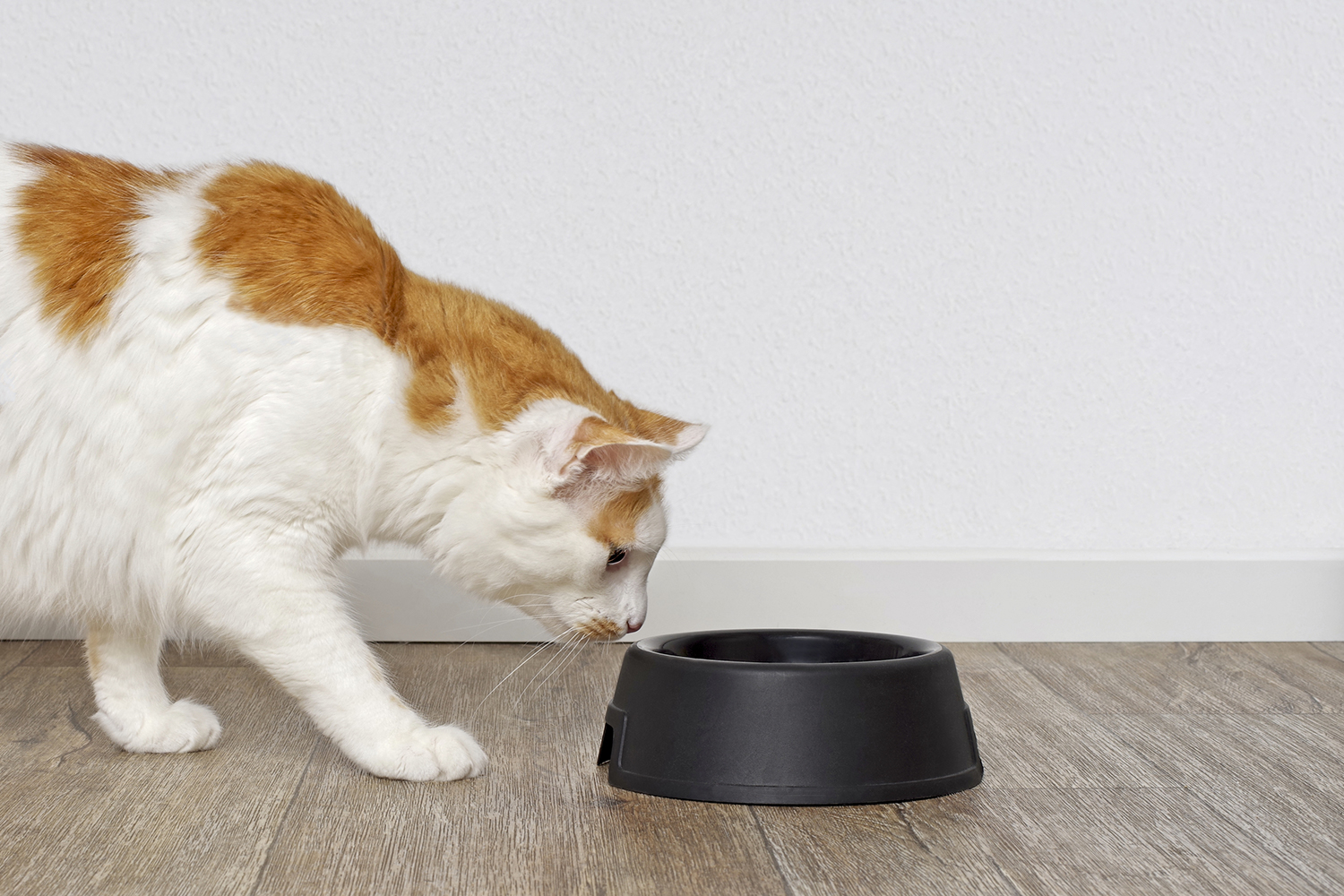
Veterinarians are also finding that, just like people, dogs and cats that carry extra weight place additional demands on their organs too, especially on their livers.

So the question is: how do we help our furry friends who are overweight?

We can’t exactly offer our pets suggestions like “Push away your plate before you are full,” or “Stop opening the refrigerator after 7 PM for that extra snack!” I sometimes joke about our dogs with my husband Stan, “I’ll bet they wish they had thumbs so they could open the refrigerator.” You see, I am also trying to control the weight in my dogs at this time, yet they have learned so many ways to control me and devour more food!

I often read articles that claim overweight pets habitually hang around during mealtimes and while food is being prepared. Well, where else would they be?

Fatty Liver Disease in Pets

Hepatic lipidosis (commonly known as fatty liver) is one of the most common feline liver diseases in cats. But dogs can also suffer from fatty liver, which results in a decrease in liver function and leads to myriad other health conditions.

Once again, we share the same problems with our health as our pets when it comes to both weight and liver disease.

Guess what? The answer to this problem is the same for both humans and pets: lose the extra pounds. When we—and our pets—lose weight, the liver then loses fat. And by detoxing the liver, it will naturally become healthier.

Liver Detox for Pets

Many pet owners have been detoxing their own livers for years. We now know that liver detox is important for our beloved pets as well.

A very important point to remember is to choose a gentle daily detox for our pets (just as we do for ourselves) that will not cause them to feel poorly as their livers detox.

You’ll want to find a formula that includes milk thistle, turmeric, and MSM. These gentle ingredients support and assist in liver detoxification in animals just as they do in humans.

Make sure the product is specifically formulated for pets.

Helping Your Pet to Lose Weight

Now to address the issue of helping our furry friends lose weight; the responsibility is ours. We must make sure to not overfeed them or give them too many treats. I have one important rule with my dogs: I never feed them from the table!

Admittedly, it’s not easy to refuse those pitiful eyes when they look up at me asking for a treat. But I know that their health depends on it.

Contributor

Brenda Watson, CNC

Owner of Vital Planet

For more than 30 years, Brenda Watson, CNC has been helping people achieve vibrant health through improved digestion.

As an author of eight books, a New York Times bestseller, and the creator of five PBS shows on digestive health, Brenda continues the crusade of teaching how the gut is the foundation of your health.

Why You Need Omegas

Some fats are critical to good health.

By Nan Fornal
a bowl of produce rich in omega oils
Photo by Daria Shevtsova from Pexels

The name says it all. The body must source essential fatty acids from foods, since it can’t manufacture them on its own.

Omega-3 fatty acids are important in all phases of life, beginning in the womb and continuing through childhood, adolescence, and adulthood. There are three types: docosahexaenoic acid (DHA), eicosapentaenoic acid (EPA), both of which come from fish, and alpha-linolenic acid (ALA), which comes from flax, flaxseed oil, nuts, and dark green, leafy vegetables.

Omega-3 benefits

The many critical health-promoting functions of omega 3s include the following:

  • Cardiovascular

    Modulates heart rate and blood pressure, improves the condition of blood vessels, and helps prevent cardiac arrhythmias.   

  • Mental Health

    Improves attention-deficit hyperactivity disorder in children; modulates symptoms of depression and other disorders in adults.

  • Cancer Prevention

    May reduce risk of breast, colon, and prostate cancers.

  • Joint and Bone Health

    Potential reduction of risk of arthritis and osteoporosis.

  • Autoimmune Conditions

    Contributes to lower risk of asthma, rheumatoid arthritis, and gastrointestinal conditions including colitis and Crohn’s disease.

Who needs to supplement?

Whole foods, especially fatty fish, are the best sources of omega 3. But those who don’t eat fish at least twice a week and anyone who is deficient in this critical nutrient may benefit from taking a supplement.  One clinical trial involving more than 25,000 subjects found that a supplement dose of 1 gram per day led to a 28 percent reduction in heart attack risk.

Benefits of omega-6 fatty acids

Omega-6 fatty acids, primarily linolenic acid found in vegetable oils, for years suffered a bad reputation until the American Heart Association released an advisory that turned it around. Instead of causing inflammation, omega-6 fats either reduce inflammation or have no effect.

“Omega-6 fats are not only safe, but they are also beneficial for the heart and circulation,” according to Dariush Mozaffarian, MD, coauthor of the advisory. Rather than cutting down on consumption of omega 6s, it’s enough to increase intake of omega 3s to balance the ratio of the two fats in the diet.

“No need to avoid healthy omega-6 fats,” Harvard Heart Letter, www.health.harvard.edu, 8/20/19

"Omega-3 fatty acids: An essential contribution,” Harvard T.H. Chan School of Public Health, www.hsph.harvard.edu

“Should you be taking an omega-3 supplement?” Harvard Women’s Health Watch, www.health.harvard.edu, 4/19

Contributor

Nan Fornal

Nan Fornal has experience with fiction, nonfiction, and technical publications, working closely with book and magazine publishers from first edit to final proofing. She has worked with Exeter Press, Boston magazine, and self-publishers alike.

4 Proven Ways to Release Belly Fat Faster

By Ann Louise Gittleman, Ph.D., C.N.S.
We host blogs from some of the leading voices in natural health and wellness. Opinions and views expressed by the author are their own, and do not necessarily represent those of Taste For Life or its editorial staff. Please contact Ann Louise Gittleman, Ph.D., C.N.S. with any questions about this content.
This content originally appeared on annlouise.com

Your body is pretty remarkable. As part of its extraordinary plan to keep your organs safe, it isolates fat-soluble toxins, many of which in turn, stockpile in the tummy.

Belly fat and the toxins that are stored within it is extremely difficult to lose without a detox strategy that focuses on the breakdown of fat cells (lipolysis) and autophagy which is the cellular cleanup process that gets rid of the dysfunctional cells and makes way for new cells.

Some of these fat soluble toxins are called obesogens and they include synthetic compounds, chemicals, herbicides, and plastics in your fat cells. These obesogens include Bisphenol-A (BPA), atrazine, phthalates, tributyltin (TBT), and perfluorooctanoic acid (PFOA), commonly found in household products, cosmetics, and groundwater.

So how do we help our body to increase lipolysis and autophagy so we can lose stubborn belly fat and the toxins that are stored within?

How to Release Tummy Fat

Here are some easy ways to trick your body into releasing tummy fat fast and easy.

  • Count on CLA

    CLA is the fatty acid that helps your body to power off pounds all year long – without dieting!

    As I recently told Woman’s World in this week’s cover story, when I first learned about CLA years ago, I was busy writing a new book day and night. I decided to try CLA to help boost my energy and stabilize my blood sugar.

    I wasn’t even taking it for weight loss but after a few weeks I was backstage at a talk show and realized my pants were so loose, I had to pin them to keep them from falling off! I’ve been a believer ever since. I find that taking 1000 mg of CLA with each meal is incredibly effective in keeping my belly fat at bay.

    Cathy's Story

    Many of my followers have also reported amazing results by taking CLA. I’m really happy for Cathy Reiber, who is featured in our CLA cover story in the November 15th issue of Woman’s World.

    She reported losing inches right away, and was down 11 pounds in a week! And by month’s end, she was 26 pounds lighter. Best of all, she has maintained her 92 lb weight loss for nearly a year!

    Her transformation is incredibly inspiring, and you can supercharge your weight loss too by adding CLA. Like Cathy, it could be your game changer.

    Human Studies

    More than 300 studies have been reported since CLA’s (conjugated linoleic acid) initial discovery, highlighting its promise in cardiac, cancer, and diabetes therapy. However, it is the special properties for weight control that were the subject of the first human studies.

    Dr. Pariza and Ola Gudmundsen, Ph.D. of the Scandinavian Clinical Research Facility in Kjeller, Norway, were among the researchers reporting at the American Chemical Society meeting in 2000.

    Their study of 80 overweight people found that:

    • Those who took CLA when they dieted and regained the weight when the diet ended put the weight back on as 50 percent muscle and 50 percent fat.
    • Those who did not take CLA regained the weight as 75 percent fat and 25 percent muscle, the usual ratio of weight gain.

    According to Dr. Pariza, whose team carried out the study, “CLA works by reducing the body’s ability to store fat and promotes the use of stored fat for energy.” It does this by controlling the enzymes that release fat from the cells into the bloodstream. The result is a decrease in body fat and a proportional increase in lean muscle mass.

    So essentially, CLA helps “convert” fat to lean muscle tissue, and muscle is one of your best metabolism enhancers.

    The Norwegian study found that overweight people who did not diet but took CLA lost a small but significant amount of weight over a 12-week period. This study, also reported in the Journal of Nutrition in 2000, showed a stunning 20 percent decrease in body fat percentage, with an average loss of 7 pounds of fat in the group taking CLA without any diet changes.

  • Practice Intermittent Fasting

    I spoke about this in my recent blog (link How I Hacked Intermittent Fasting). Eating only within a six hour window can do wonders for your health. Fasting benefits include increased autophagy and lipolysis and lowered insulin levels.

    During your short eating window, remember to reduce your net carbs. Net carbs are carbohydrate foods without the fiber. Reducing them to twenty to fifty grams per day will radically power up your lipolysis and autophagy and reduce your toxic load.

  • HIIT It Up

    Kick it up a notch with some high intensity interval training (HIIT) and/or high intensity interval resistance training (HIIRT) three days per week. Adding in these types of exercises will produce very fast results in a short period of time.

  • Hydrate, Hydrate, Hydrate

    And my final tip to assist your body in detoxifying cellular waste and reduce its toxic load to help you shed your weight? Hydration. Remember to drink half your body weight in ounces of water each and every day.

    You’ll be amazed with how great you’ll feel when your body releases toxins and debris and you lose those stubborn pounds once and for all.

Contributor

Ann Louise Gittleman, Ph.D., C.N.S.

Ann Louise Gittleman, PhD, is a New York Times award-winning author of 30 books on detox, health, and healing, including the international bestselling Fat Flush Plan and Zapped! Visit her blog and join her online Fat Flush Community.

All About Miso

Get to Know This Savory Condiment

By Lisa Fabian

We’re all familiar with sweet, sour, salty, and bitter flavors. But did you know there’s a fifth one?

It’s umami and it adds a savory component to cooking, particularly Asian cuisine.

How can you add this unique flavor to food? One of the easiest and healthiest ways is with miso.

What is Miso?

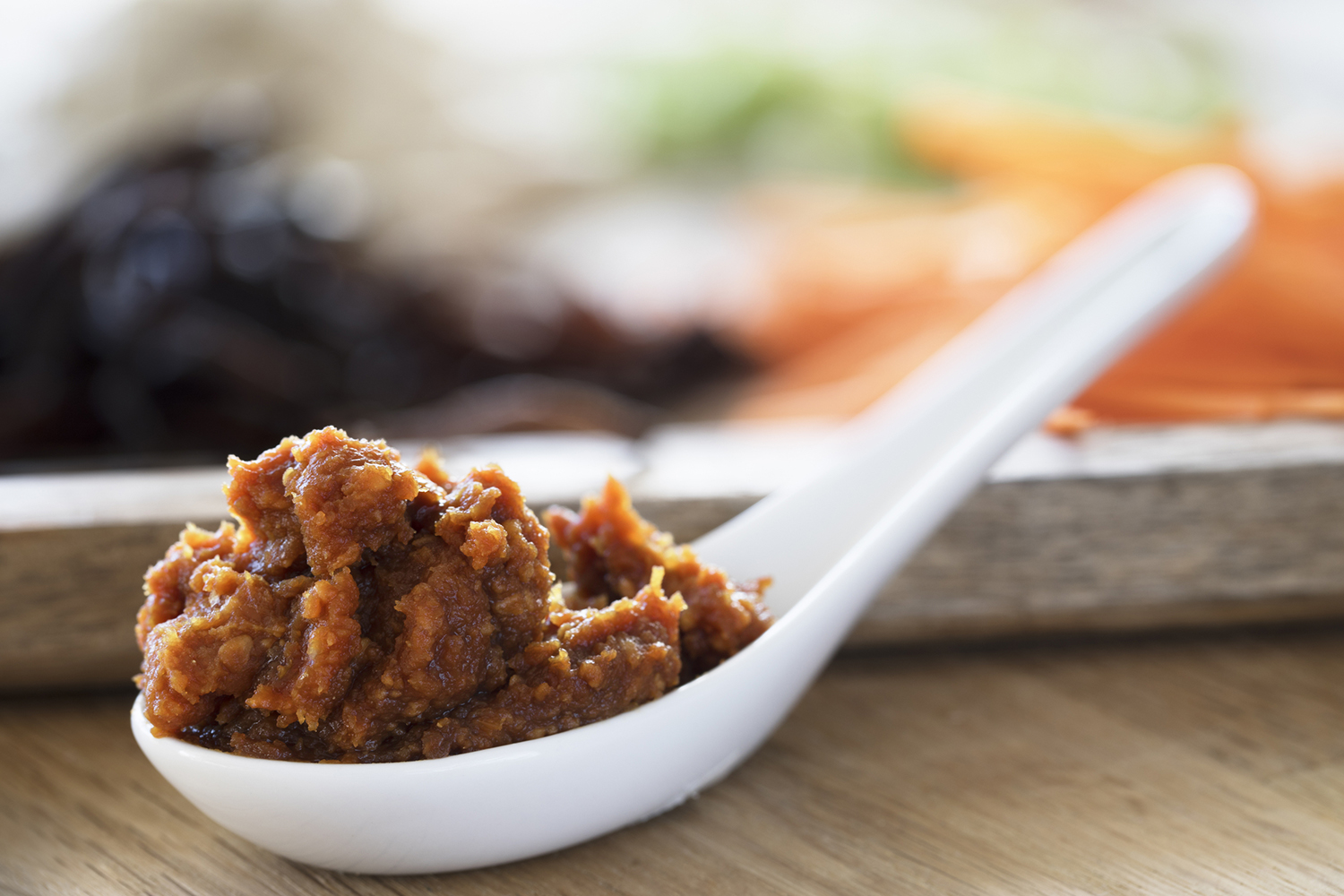
Typically made from a fermented combination of soybeans in a base of salt and the starter culture koji (typically derived from rice), miso can be added anywhere a salty, savory, and satisfying flavor is desired.

With its thick, paste-like consistency similar to peanut butter, miso can be easily mixed into many dishes.

Origins of Miso

Miso is not a new culinary trend. Originating in Asia over a thousand years ago, it was brought to the West in the 1960s through the macrobiotic diet.

These days miso’s beloved throughout Asia for its unique flavor profile. In fact, the Japanese love it so much there are more than 1,500 manufacturing plants in Japan alone!

Benefits of Miso

  • Digestion

    Miso can help with digestion, since it’s a fermented food. Some brands even contain beneficial bacteria.

    Research has found that the probiotics present in miso can help lessen symptoms from digestive issues like inflammatory bowel disease.

  • Diabetes

    Other studies find that consuming fermented soy products like miso can delay the onset and progression of Type 2 diabetes.

  • Other Diseases

    Research even indicates that consuming miso every day may help lower risks of heart disease and stomach cancer.

    The benefits don’t stop there. Miso has been associated with reducing cancer cell growth and the ability to lower cholesterol levels.

  • Nutrition

    One ounce of miso offers 12 percent of the recommended dietary intake (RDI) of manganese, 10 percent of vitamin K, and 5 percent of zinc.

    Miso offers some protein and fiber, as well as other nutrients, like:

    • copper
    • phosphorus
    • vitamin B2
    • vitamin K
  • Fermentation

    Because miso is a fermented food, its nutrients are more easily available to the body.

    Keep in mind that nutritional benefits vary depending on fermentation times and ingredients used.

  • Sodium Warning

    Miso is high in sodium, so if you’re watching your salt intake you may want to use small amounts.

    Research shows that miso does not seem to affect the cardiovascular system the way other high-sodium foods can.

Types of Miso

Brands offer their own flavor profiles due to the amounts of soybeans, salt, and other ingredients used.

Here’s a basic breakdown of what you may find when shopping for miso.

  • Red Miso

    With its long fermentation time, this variety is darker in color. Hues range from red to brown. Red miso is stronger in flavor and tastes saltier than other varieties.

  • White Miso

    A traditional choice, this is generally the least salty of the misos. A shorter fermentation time creates a mellow, mild, and sweet flavor.

  • Yellow Miso

    Stronger in flavor than white miso, the yellow variety is still mild tasting with earthy undertones. Yellow miso is a commonly purchased type.

  • Chickpea Miso

    While not a traditional offering, chickpea miso is a good choice if you wish to avoid soy. It tastes similar to white miso.

How to Use Miso

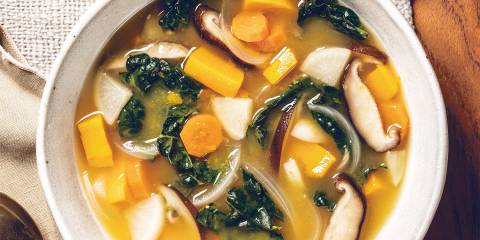
Many know pungent miso for its starring role in miso soup, but it can be used for so much more.

Miso adds depth to:

Use lighter miso varieties for:

  • sauces
  • spreads
  • soups

Misos that are darker in color work better in:

  • grilled foods
  • noodle dishes
  • veggie burgers
  • stir-fries

Since miso is a salty ingredient, recipes typically call for small amounts of it such as a few tablespoons.

Cooking with Miso

Since miso can have a beneficial probiotic content, add it to a dish once cooking is complete.

This applies to miso soup, too: stir miso into the soup when it’s no longer boiling and has been taken off heat.

Ideas and Inspiration

  • Make Miso Butter

    Blend miso into butter to top your favorite protein or roasted vegetable dish.

  • Use to Glaze Fish

    Miso’s savory quality pairs particularly well with salmon.

  • Mix Into Cookies

    Take peanut butter cookies up a notch with the addition of a tablespoon or so of miso.

  • As a Salt Replacement

    In a pinch, miso can be used as a replacement for soy sauce or salt.

  • In Salad Dressing

    For an easy miso-based salad dressing, whisk together white or yellow miso with:

    • rice vinegar
    • chopped ginger
    • chopped garlic
    • honey
    • olive oil
    • toasted sesame oil

Shopping For Miso

  • Avoid GMOs

    If you want to avoid GMOs, shop for certified organic varieties. Or purchase miso that’s been made without genetically modified soybeans.

    Almost all soy crops in the United States are genetically modified. The misos coming from Japan or Korea are less likely to be derived from genetically modified organisms.

  • Where to Find It

    Find miso in the refrigerated section of Asian markets and many large grocery stores. Miso comes packaged in tubes, bags, glass jars, and plastic containers.

  • Fermentation

    Look for brands that have fermented their ingredients at least 180 days.

    Keep in mind that unrefrigerated varieties won’t offer the same beneficial probiotics found in chilled versions.

  • Storage

    When you get miso home, store it in the fridge where it will keep for months.

Precautions

Individuals with a soy allergy should avoid soy-derived miso.

“Miso 101: types, benefits, recipes & more!” Minimalist Baker, 2024

“Miso: the probiotic food that fights cancer & lowers cholesterol” by Rachael Link, MS, RD, Dr. Axe, 12/5/22

“Miso: a traditional nutritious & health-endorsing fermented product” by Farhan Saeed et al., Food Sci Nutr, 12/22

“Naturopathic kitchen: miso,” Association of Accredited Naturopathic Medical Colleges, 11/30/22

“What is miso? Introducing a longevity food . . .” by Ocean Robbins, Stillness in The Storm, 11/5/20

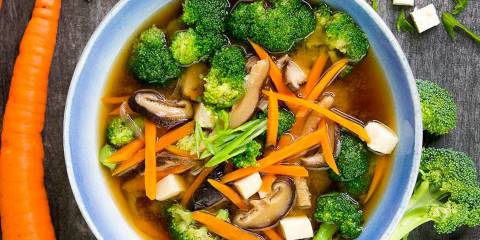
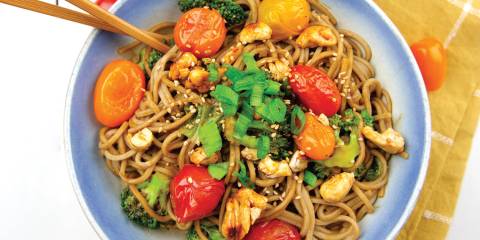
Over Noodles

Power up for the day with some extra flavor and depth.

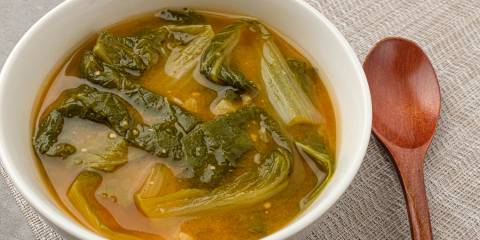
With Tofu

Miso pairs perfectly with this other Asian tradition.

For Roasting

Miso can enhance the flavor of your latest oven creation.

As a Dip

Savory flavor is the perfect party favor!

Contributor

Lisa Fabian

Contributing Editor

Lisa Fabian is an award-winning freelance writer with more than 25 years of experience in the publishing industry. She's enjoyed covering topics as diverse as arts and crafts, boating, food, and health and wellness.

Vegan-Friendly Nutritional Support

By Nan Fornal

If you avoid meat and other animal products, what do you do when it comes to supplements?

Anyone following a vegan or vegetarian diet who wants to supplement certain nutrients needs to read labels carefully.

Plant-Based Enzymes

When digestive enzymes are in balance, the body does a better job of extracting nutrients from food and eliminating what the body cannot use. The three types of digestive enzymes work their magic on proteins, carbohydrates, and fats.

Medical researcher and vegan chef Suzannah Gerber adds, “When combined with certain probiotics, enzyme supplements can improve immune function.”

Studies that recently compared plant-based and animal-based enzymes, Gerber says, have found that “supplemental enzymes from animal sources are pH-sensitive."

"Plant-based enzyme supplements are more effective because they can withstand the acids in our stomachs,” she says.

Important Nutrients for Vegans

In general, vegetarians and vegans need to be sure they are getting enough of the nutrients commonly provided by meat, fish, and dairy foods:

  • vitamin B12
  • vitamin D
  • calcium
  • iodine
  • iron
  • omega-3 fatty acids
  • zinc

While some of them are provided by plant foods, and by fortified plant foods, supplementation may be necessary.

Recommended Supplements for Vegans

  • Vitamin B12

    To avoid vitamin B12 deficiency, vegans may need to supplement two to three times a week.

  • Calcium

    Calcium can be another tricky nutrient for vegans who don’t get enough from their diets: many supplements get their calcium from oyster shells, and others come in gelatin capsules.

    It’s worth looking for a vegan calcium supplement with magnesium and vegan vitamin D.

  • Omega 3s / DHA

    Since most omega 3s come from fish oil, look for vegan forms of their constituent fatty acids, DHA and EPA (docosahexaenoic acid and eicosapentaenoic acid), which come from algae.

Precautions

  • Consult Your Healthcare Provider

    Discuss with your healthcare provider any nutrients you are considering taking in supplement form. Have your blood levels checked if deficiency is suspected.

  • Always Read The Label

    Learn to read labels to avoid animal products, and buy vegan supplements only from reputable suppliers.

Contributor

Nan Fornal

Nan Fornal has experience with fiction, nonfiction, and technical publications, working closely with book and magazine publishers from first edit to final proofing. She has worked with Exeter Press, Boston magazine, and self-publishers alike.

Fat Flushing Foods and Spices

...That I Bet You’re Already Eating

By Ann Louise Gittleman, Ph.D., C.N.S.
We host blogs from some of the leading voices in natural health and wellness. Opinions and views expressed by the author are their own, and do not necessarily represent those of Taste For Life or its editorial staff. Please contact Ann Louise Gittleman, Ph.D., C.N.S. with any questions about this content.
This content originally appeared on annlouise.com

Would you love to learn how to turn up your metabolism while tuning up your gallbladder? The great news is, I bet many (maybe even all) of these Fat Flushing powerhouses are probably already in your daily diet. They’re not only great for shedding those extra pounds, but they’re also critical for quality bile production, which we know is key for optimum health, fat digestion, and correcting “mystery” illnesses.

Read on to get the skinny about these fantastic 10—and do make sure they’re all on your next grocery list.

Fat-Flushing Foods and Spices

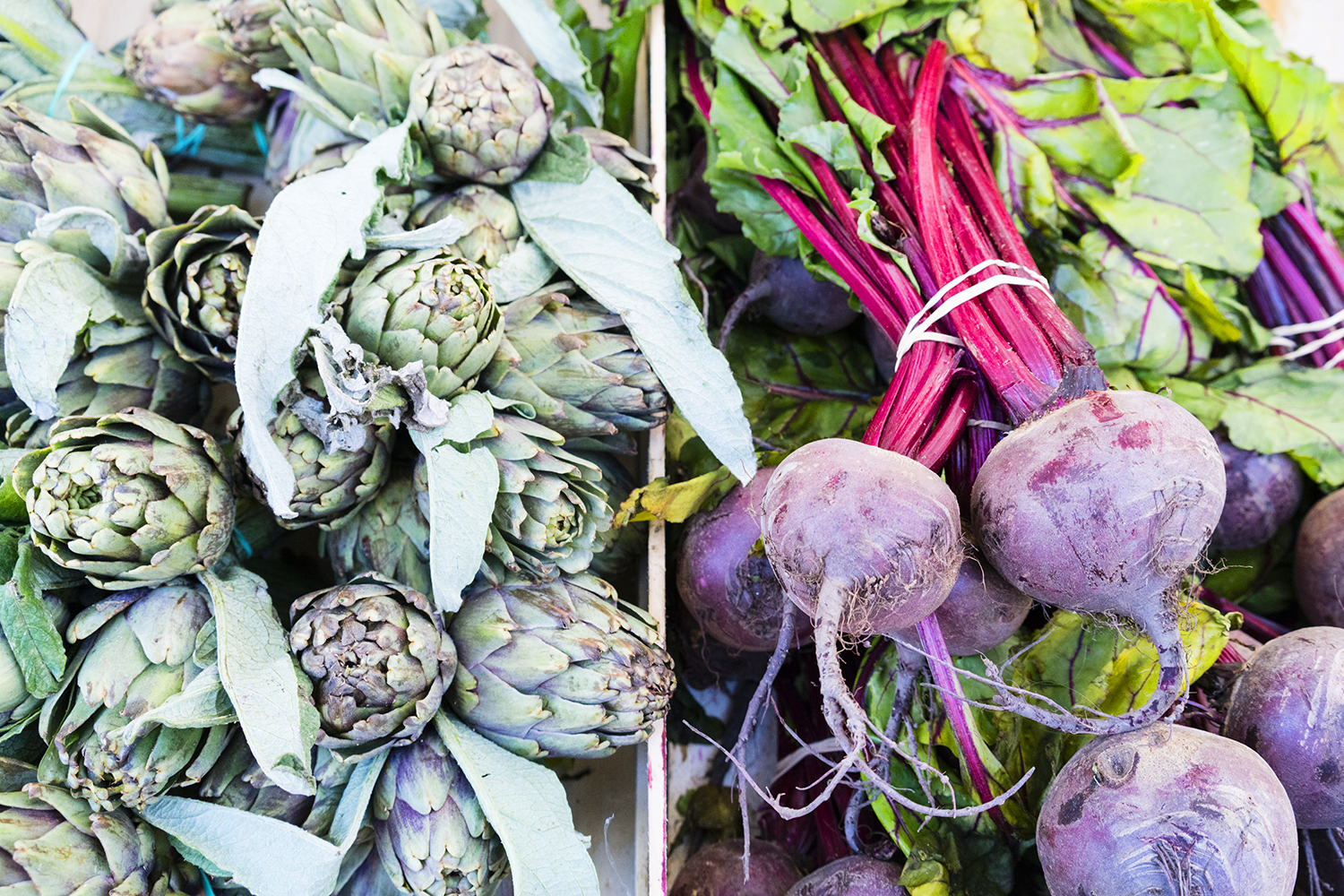
  • Beets

    Beets contain betaine which thins the bile and helps prevent gallstones. Betaine is also a rich source of hydrochloric acid, which is critical for digestion and triggers your gallbladder to release bile. Beetroot protects your liver from chemical toxicity.

  • Artichokes

    Artichokes are a fabulous bile-producing food and liver protector. They may boost your glutathione levels as much as 50 percent.

  • Bitters

    Bitter foods trigger your pancreas to secrete digestive enzymes and your gallbladder to release bile. Although digestive bitters are particularly important if you’re vegan or vegetarian, they are really helpful for everyone, with or without a gallbladder.

    Bitter greens such as arugula, endive, dandelion and radicchio offer wonderful benefits—as well as horseradish, which is also anti-cancer. Orange peel, gentian root, bitter artichoke and Angelica root are also excellent bitters. Stay away from Swedish bitters, which typically contain herbal laxatives such as rhubarb and senna.

  • Choline

    Choline is an essential nutrient that acts as an emulsifier, assists fat digestion, reduces cellulite, decongests the liver, improves nerve and brain function, and builds hormones. Ninety percent of us are choline deficient.

  • Lecithin

    Lecithin is one of the primary emulsifying agents in bile, containing significant choline. Lecithin breaks down fats making them more digestible. Lecithin also helps keep your homocysteine levels low, thereby reducing your cardiovascular risk. Lecithin from non-GMO soy or sunflower seeds makes a great fat-flushing supplement.

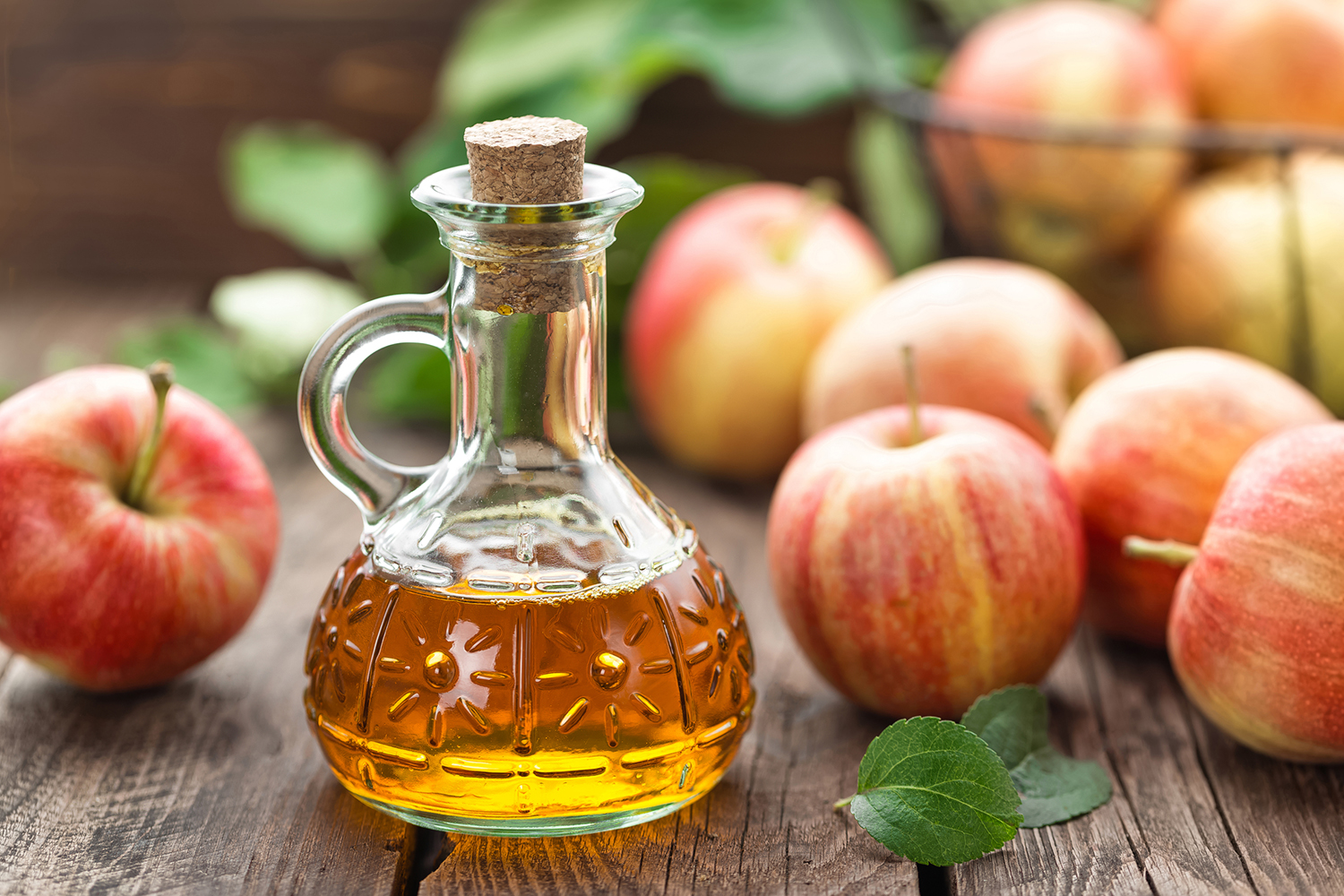
  • Apple Cider Vinegar

    I call apple cider vinegar a “miracle in a bottle!” ACV contains malic acid, which helps your body digest protein and thins the bile.

    Take one tablespoon of raw ACV in a glass of water before meals.

  • Taurine

    Taurine is a key component of bile acids, made in the liver. Many are deficient, especially vegans and vegetarians, because taurine is derived from organ meats and other animal proteins. Taurine helps thin the bile, assists detoxification, improves lipids, and lowers the risk for obesity.

  • Capsaicin

    Capsaicin will ignite your fat burning engine! Found in sweat-inducing foods and spices like cayenne, capsaicin stimulates metabolism by activating brown fat, as well as helping optimize your cholesterol and triglyceride levels.

  • Cumin

    The smoky-peppery spice cumin can boost your metabolic rate, promote weight loss, reduce body fat and LDL, and stimulate pancreatic enzymes. In one study, just one teaspoon of cumin increased weight loss by 50 percent. I use cumin in just about everything from soups to salad dressings to casseroles.

  • Omega-7s

    Omega-7 (palmitoleic acid) is the amazing omega you might not yet know about. Omega-7 operates as a “lipokine”: a hormone-like molecule that optimizes energy utilization and storage in body tissues at very low concentrations. Omega-7s really shine when it comes to improving your blood glucose, insulin and lipid levels. Omega-7s will even help build collagen!

    Where do you find them? Macadamia nuts, sea buckthorn, and deep sea anchovies.

Further Reading

For even more superstar foods that you (and your family) will love, order a copy of The NEW Fat Flush Foods.

And, for tips on how to whip them up in delicious dishes, add The NEW Fat Flush Cookbook to your shopping cart, too.

Bon appétit!

Contributor

Ann Louise Gittleman, Ph.D., C.N.S.

Ann Louise Gittleman, PhD, is a New York Times award-winning author of 30 books on detox, health, and healing, including the international bestselling Fat Flush Plan and Zapped! Visit her blog and join her online Fat Flush Community.

Tips to Improve Pelvic Health

Diet and lifestyle make a difference in the pelvic floor.

By Nan Fornal

You may not give much thought to your pelvic floor.

But consider whether you’ve had any of the following:

  • urgent need to get to the toilet
  • difficulty emptying your bladder or bowel
  • pelvic pain, including during sex
  • urine leakage when you:
    • laugh
    • exercise
    • sneeze
    • cough

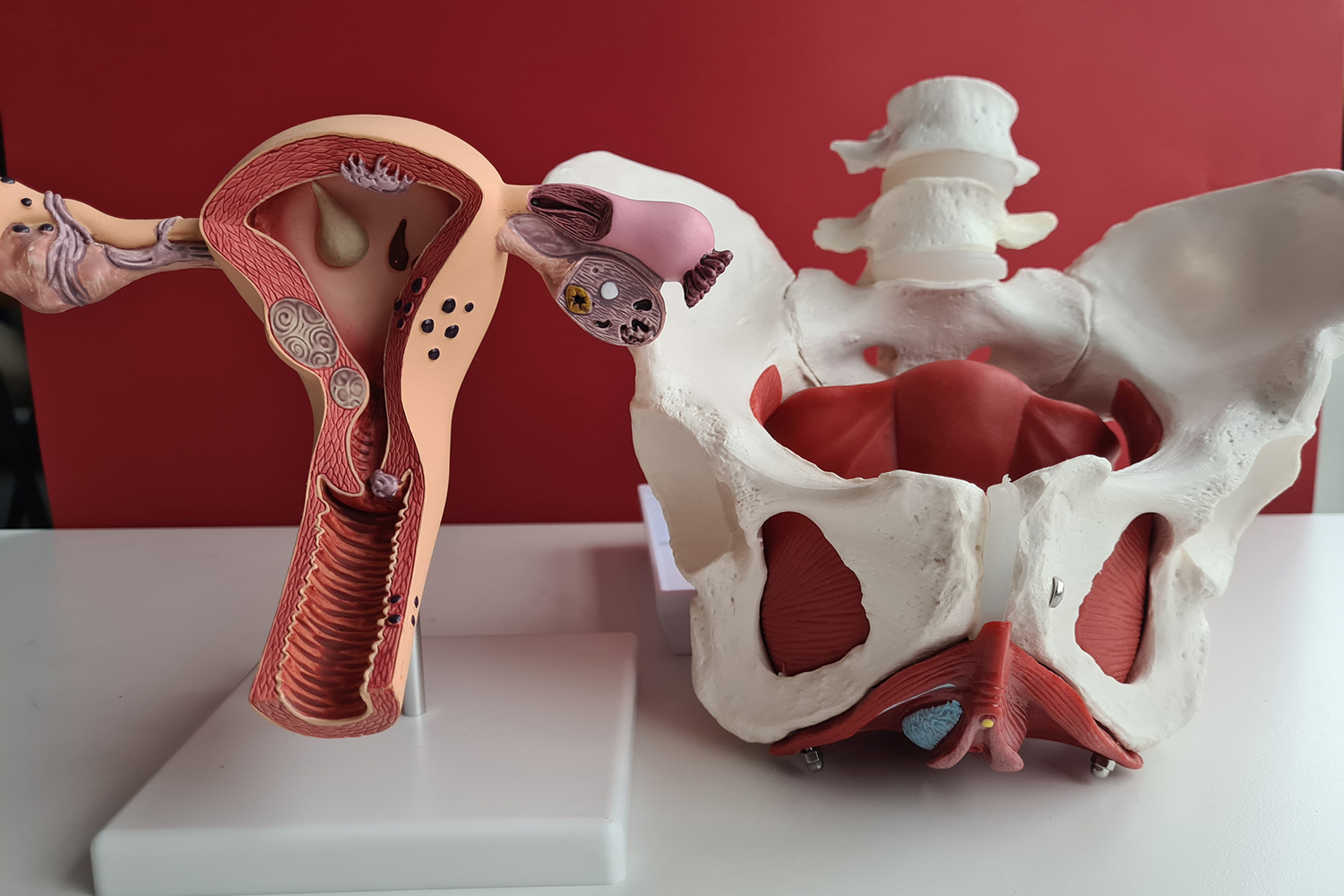
Or perhaps you’ve had a diagnosis of pelvic organ prolapse (POP), a hernia that happens with weakening of the ligaments and muscles that hold the pelvic organs—uterus, bladder, rectum—in place.

Causes of Pelvic Floor Problems

Going back thousands of years, childbirth has been documented as a cause of POP. But it’s not the only cause.

Other risk factors:

  • obesity
  • family history
  • growing older
  • hysterectomy

...as well as chronic conditions that increase pressure in the abdomen, including:

Treatment for Your Pelvic Floor

Short of surgery, there are changes you can make to your diet and lifestyle to improve the condition of your pelvic floor.

  • Take Supplements

    “Postpartum women who received a specially formulated postpartum recovery supplement had improved recovery of the pelvic floor after vaginal delivery,” wrote the authors of a report published in Obstetrics & Gynecology Sciences.

    In addition to a prenatal vitamin, study subjects took a supplement formulated with zinc, leucine, and omega-3 fatty acids, all of which contribute to muscle strength and regeneration.

  • Avoid Constipation

    Reduce straining when moving your bowels by eating a diet rich in fiber and staying well hydrated.

  • Increased Exercise

    It’s not all about Kegels: several exercises help strengthen the pelvic floor easily, including lunges, yoga stretches, and breathing techniques.

    But Kegels are important, too, since the contracting and releasing of the pelvic floor muscles strengthens them.

    Contact a healthcare provider if you’re not sure if you’re doing them correctly.

  • Maintain a Healthy Weight

    Obesity affects pelvic floor dysfunction. If you need help to lose weight, ask your healthcare provider.

“Kegel exercises,” Cleveland Clinic, my.clevelandclinic.org, 2/1/23

“Pelvic floor dysfunction and obesity” by C. Chilaka et al., Best Practice & Research Clinical Obstetrics & Gynaecology, 8/23

“Pelvic organ prolapse causes and treatments,” National Association for Continence, www.nafc.org

“Randomized controlled trial for improved recovery of the pelvic floor after vaginal delivery with a specially formulated postpartum supplement” by P. Takacs et al., Obstetrics & Gynecology Science, 5/20

“Pelvic Organ Prolapse,” www.UChicagoMedicine.org

Contributor

Nan Fornal

Nan Fornal has experience with fiction, nonfiction, and technical publications, working closely with book and magazine publishers from first edit to final proofing. She has worked with Exeter Press, Boston magazine, and self-publishers alike.

Apple Cider Vinegar

Explore the health benefits of this ancient remedy.

By The Taste for Life Staff

Though it has a long history of traditional use for a wide variety of health conditions, apple cider vinegar has remained under the radar in scientific research.

That’s begun to change, and recent studies have explored its effectiveness for weight loss, skin conditions, blood-sugar control, and more.

History of Apple Cider Vinegar

Vinegar first appeared as a food source about 7,000 years ago in Babylonia. It was derived from dates and used as a preservative.

ACV was used extensively in ancient Greece. It was often mixed with honey and prescribed as a treatment for coughs and colds, among other maladies.

It also has a long history of medicinal use in Africa and in Traditional Chinese Medicine.

Benefits of Apple Cider Vinegar

  • As an Antimicrobial

    Research has shown that ACV has strong antimicrobial properties.

    Tests support its effectiveness against:

    All three are major causes of infections in humans.

  • For Eczema

    ACV has a cooling and toning effect on eczema.

    It works best diluted in water or green tea but should not be used on open cuts (it will burn).

    Try adding a half cup to a lukewarm bath and soaking in it.

  • For Acid Reflux / Heartburn

    A spoonful of ACV can help ease acid reflux or heartburn.

    Don’t overdo it: ACV has a high acid profile, and can cause an stomach upset.

  • For Hair Care

    You can tame frizzy hair with a rinse made from equal parts ACV and water.

    Rinse the hair with the mixture after shampooing.

Precautions

A typical daily dose is less than 2 tablespoons.

Check with your healthcare practitioner before adding it to your regimen.

  • Potassium Deficiency

    Ingesting too much ACV may cause a reduction in potassium levels.

  • Dental Health

    Because of its high acidity, ACV can also erode tooth enamel if overused.

  • With Medications

    ACV might affect the work of certain medications, including insulin.

Contributor

The Taste for Life Staff

The Taste for Life staff come from a wide variety of backgrounds and specialties. We believe learning is a life-long process, and love to share the knowledge we gain.

Survive Holiday Fatigue

By The Taste for Life Staff

Feeling fatigued? It’s a good bet that you’re also stressed. Fatigue and stress feed off each other.

How to perk up? Add whole foods to your diet, find more time to exercise, and cut down on sugar and caffeine. Adding some key supplements may also help.

In his book No More Fatigue, natural health expert Jack Challem identifies “The Five Circles of Fatigue” as stress, poor dietary habits, hormone imbalances, chronic illnesses (and many medications), and the aging process. Common medical causes of fatigue include anemia, sleep disorders, depression, chronic pain or infection, and inflammatory disorders. Stress is an underlying contributor to all of these.

Nutrition for Stress and Fatigue

  • Avoid Sugar and Caffeine

    Contrary to popular opinion, sugar is not an energy food and coffee is not an energy drink. Relying on either for a pick-me-up will leave you more tired.

    Consider instead the nutritional density of whatever you consume. For example, sugar has a lot of calories, but it offers little in the way of vitamins, minerals, or other nutrients. On the other hand, protein and vegetables are nutrient dense.

  • Eat Green Foods for Energy

    Many green foods are nutrient dense, including:

    • alfalfa
    • barley grass
    • chlorella
    • green tea
    • kelp
    • spirulina
    • wheatgrass

    In addition to being loaded with vitamins, minerals, and fiber, these supergreens have the added benefits of enzymes and chlorophyll.

    • Enzymes are essential for nearly every biological process.
    • Chlorophyll (the pigment that makes plants green) oxygenates blood and delivers magnesium.
  • Supplement with Supergreens and More

    Supergreens are available in supplements, including powders, tablets, and tinctures. Here are other proven fatigue-fighting supplements.

    • B-complex vitamins, which help turn food into energy
    • Vitamin C, necessary for making chemicals that keep the brain energized
    • Coenzyme Q10, known to boost energy levels and enhance stamina
    • L-carnitine, which helps transport fat to the cells’ mitochondria, where it is burned for energy
    • Alpha lipoic acid, which fosters energy production
    • Quercetin, which increases your body’s ability to metabolize glucose and fat for energy
  • Try Adaptogens for Energy

    Also consider adaptogens: herbs that generate a defensive response to stress.

    Adaptogens that specifically help fight fatigue and increase energy and endurance include:

    • American ginseng
    • Asian ginseng
    • ashwagandha
    • cordyceps
    • eleuthero
    • holy basil
    • rhodiola
    • schisandra
Contributor

The Taste for Life Staff

The Taste for Life staff come from a wide variety of backgrounds and specialties. We believe learning is a life-long process, and love to share the knowledge we gain.

Reduce Stress with Qigong

Awakening the Healer Within

By Claire Sykes

Once again, it’s an overtime day and a fast-food dinner.

You’re so frazzled, even days off feel like work, and forget about a decent night’s sleep.

If only you could wind down and unplug!

Enter qigong (say “chee-gong”), a type of moving meditation.

What Is Qigong?

Similar to yoga, this practice from traditional Chinese medicine combines thousands of simple and repetitive postures and slow gestures with relaxed and purposeful breathing and a present-focused mind.

While doing qigong, you can remain perfectly still or you can move—from ever so slightly to dancerly.

How you position your body informs your state of mind (and vice versa), while your body and breath improve your physical health.

You can do qigong anywhere, whether sitting, standing, or lying down. And yes, you can make time for it!

Benefits of Qigong

Just two minutes of qigong here and there throughout the day can reduce stress and help with depression and anxiety. It also helps you manage chronic conditions and prevent illness, and it encourages healthy aging.

“Qigong creates functional changes within the body to produce the most profound medicine ever discovered,” says Roger Jahnke, a doctor of Oriental medicine and director of the Institute of Integral Qigong and Tai Chi, in Santa Barbara, CA. He’s the author of The Healing Promise of Qi: Creating Extraordinary Wellness Through Qigong and Tai Chi.

For starters, qigong (qi for “life force” and gong for “practice”) mobilizes the blood and other body fluids, including those related to the lymphatic system, joints, brain, and spine. It also increases blood-vessel elasticity, so the heart pumps more easily.

“The blood carries in more oxygen and nutrition, and lymph more effectively flushes out toxic byproducts through the elimination system,” Dr. Jahnke explains. This, in turn, enhances the immune system, cell metabolism, and tissue regrowth.

How Does Qigong Work?

The body loves qigong. It’s why millions of people worldwide do this practice that originated before recorded history. You can’t help but feel calmer, given your relaxed yet alert posture, abdominal breathing, and mindful attention.

“These are the ‘three treasures,’ in an internal conspiracy of cooperation that the Chinese call ‘the qigong effect,’” Dr. Jahnke says. “When you slow down to the length of a deep breath and link it to the gestures, it triggers the body’s relaxation response.”

Instead of the fight, flight, or freeze typical of the sympathetic nervous system when you’re under stress, qigong releases parasympathetic hormones. Heart rate and blood pressure decrease, immediately calming you and sharpening your mental focus.

“When you do qigong, you stop doing everything else,” Dr. Jahnke said. “You stop being busy and worrying about the past or future, and you tend not to catastrophize or ruminate."

"You also are, then, more aware of what your body is doing, in movement or stillness, and how you feel within your body.”

Getting Started with Qigong

You can try qigong right now:

  1. Stand or sit upright, or lie down stretched out.
  2. Like a tree rooted firmly in the ground with its leaves fluttering, imagine being pulled from the base of your spine down into the center of the earth with your head lifted way up into the sky.
  3. Slowly breathe in through your nose into your belly, hold for several seconds, then slowly exhale, letting yourself increasingly relax. Picture clouds drifting by or a stream bubbling through the forest.
  4. Then notice what your body is doing and how it feels.

It can begin that simply!

In the midst of racing around and getting stressed out, qigong invites you to ease up and chill out. Enjoy those moments of quietude and relief, and get to know the healer within.

“Can Tai Chi and Qigong Postures Shape Our Mood?” by K. Osypiuk et al., Frontiers in Human Neuroscience

“The Three Intentful Corrections,” Qigong Institute

“The Three Mindful Alignments,” Qigong Institute

“Why You Should Practice Integral Qigong and Tai Chi,” Institute of Integral Qigong and Tai Chi

Personal communication: Roger Jahnke

Contributor

Claire Sykes

Claire Sykes is a freelance writer based in Portland, Oregon.

She loves that she's always learning about something new, and gets to talk with a wide variety of people, often at such an extent or depth.

Don't Miss a Thing!


Get the latest articles, recipes, and more, when you sign up for the tasteforlife.com newsletter.

Hot Product

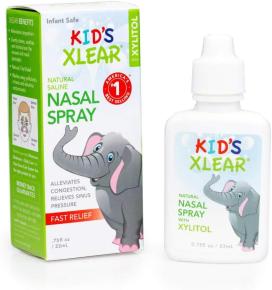
Xlear Kid’s Nasal Spray

Xlear Kid’s Nasal Spray

Kid's xylitol and saline nasal spray, safely and effectively alleviates your child's congestion, dry sinuses, and irritated nasal tissues. The convenient .75fl oz. squeeze bottle with kid-friendly labeling ensures application will be a breeze.