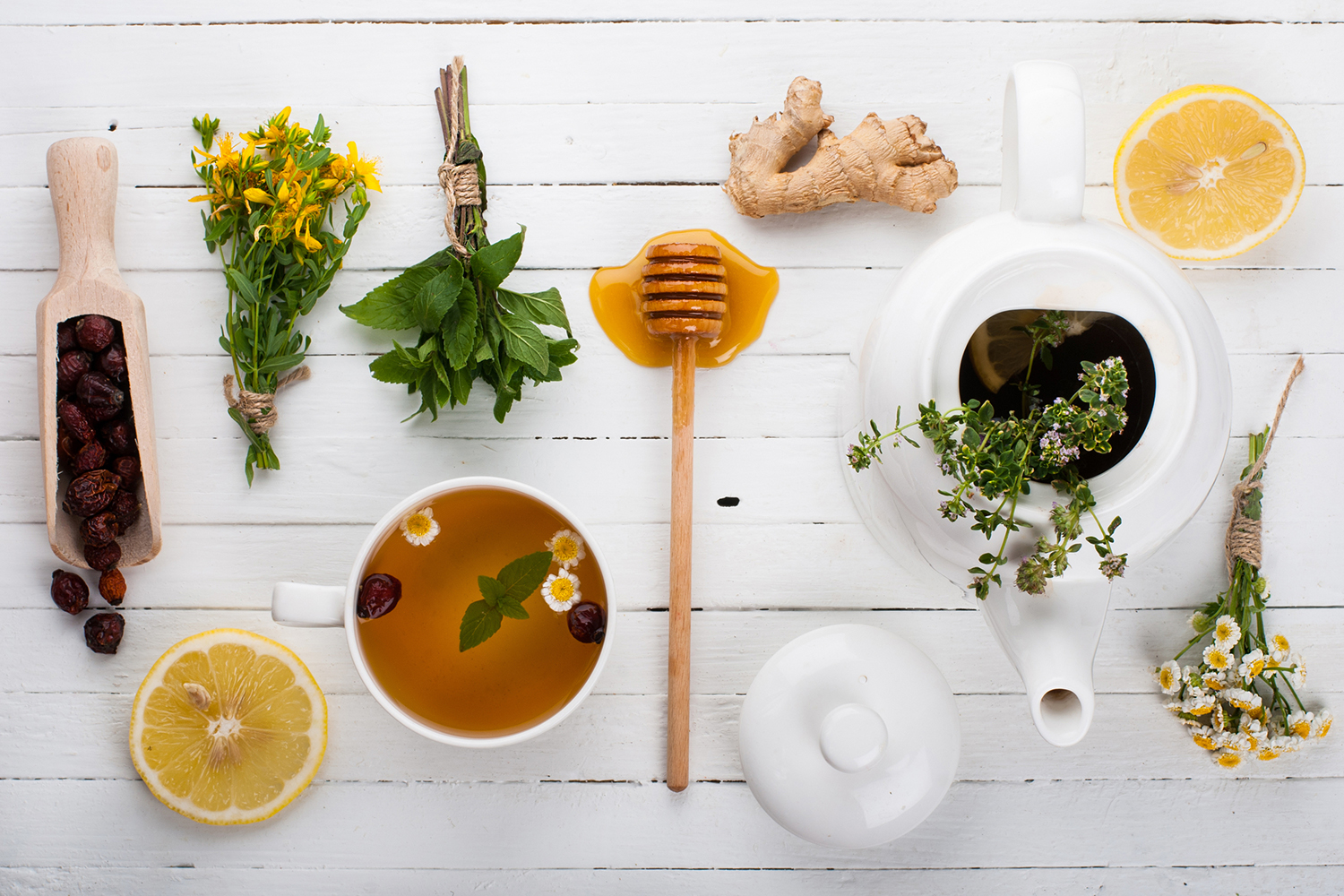
Body Detox Cleansing

By The Taste for Life Staff

A cleansing diet can help fortify your body, giving you more energy, a radiant complexion, healthier hair and nails, and improving your overall health.

How the Detox Plan Works

The easy-to-follow fall eating plan outlined here is tailored to cleansing the liver, the organ responsible for removing toxins from the body. It also helps to regenerate cells and tissue, supports blood purification, and energizes and soothes the nervous system.

You can begin the season with a minimum three-day detoxification program and then choose from a wide variety of seasonal foods. You may want to continue the program for up to two weeks once you see how your skin clears up, your hair shines, and your energy takes off.

The three-day detox is composed of organic seasonal foods, herbal teas, and a super green food supplement, which provides key nutrients that are important to the cleansing process.

  • Antioxidants

    First thing every morning and the last thing at night, blend and drink eight ounces of unsweetened cranberry juice with two teaspoons of a green superfood that’s rich in chlorophyll, detoxifying antioxidants, and other nutrients.

    Because cranberry contains enzymes not found in other foods, it’s a marvelous cleanser for the lymphatic system, which transports nutrients to cells and removes wastes via the connective tissue.

    Cleansing the lymphatic system is the missing link in both health and beauty routines.

  • Fiber Supplements

    Your detox plan should also include a high-fiber supplement to make sure your body is sweeping away the debris that’s clogging your intestinal tract. Look for both soluble and insoluble fiber from psyllium, oat bran, and powdered flaxseed. A fiber-rich supplement aids in enhanced nutrient absorption and increases energy levels.

    Many additional cleansing components can be found in high-fiber supplements: Irish moss, buckthorn, butternut, and peppermint are a few to look for. They help the liver and intestinal tract to eliminate a wide variety of wastes and environmental toxins.

  • Healing Teas, Herbs and Spices

    • Dandelion Root

      Dandelion root tea is the premier herbal tea because it has a long history of gentle, effective liver cleansing and decongesting.

      Every day, drink a cup of this liver tonic, which offers more nutritional value than most vegetables.

    • Gentian Root

      Gentian root stimulates the gallbladder to increase secretion and flush out bacteria.

    • Milk Thistle

      Milk Thistle protects and regenerates the liver by preventing free-radical damage through its potent antioxidant properties.

    • Yellow Dock

      Yellow dock acts as a liver purifier and toner through cleansing the bloodstream.

    • Oregon Grape Root

      Oregon grape root is helpful against liver-connected skin conditions such as acne and psoriasis.

    • Chlorophyll-Rich Spices

      Chlorophyll-rich spices like dill, mint, tarragon, and thyme are time-honored detoxifiers that nourish and purify the bloodstream while assisting the body in the digestive process.

    • Citrus Diuretics

      Juices of fresh lemons and limes are included in the fall detox plan because of their antiseptic, germicidal, and mucus-eliminating properties. Also natural diuretics, they have been used for centuries as liver toners.

Following the Plan

The emphasis of a fall cleansing diet is on fresh vegetables, especially dark leafy greens like kale and parsley, which are high in chlorophyll.

The foods you eat should come from the following food groups: lean protein (eight ounces per day); unlimited low-glycemic vegetables; fruits (two servings).

Season your food with the delicious and cleansing fall spices, dill, mint, parsley, rosemary, tarragon, and thyme, not with salt, vinegar, soy sauce, mustard, or other herbs and spices. Fresh-squeezed lemon and lime juice also may be used to tempt your palate.

After Detox

When the first phase of cleansing (whether for three days or up to two weeks) is finished, you’ll be ready to enjoy all of fall's fresh offerings and to add additional high-fiber and purifying foods back into your eating plan.

Continue with the dandelion root tea and the cranberry-superfood drink as you begin to include one serving at a time from the fiber-rich, low-glycemic vegetables (beans and fall vegetables like asparagus).

If you normally eat dairy foods, this is also the time to include one to two servings a day of yogurt or cottage cheese.


Contributor

The Taste for Life Staff

The Taste for Life staff come from a wide variety of backgrounds and specialties. We believe learning is a life-long process, and love to share the knowledge we gain.

The Benefits of Iced Tea

By Elaine Ambrose

Except for water, tea is the most popular beverage in the world. It’s no wonder, with so many different kinds from which to choose.

Three main categories—green, black, and oolong—comprise 3,000 varieties of tea, all from one marvelous plant: Camellia sinensis.

A growing body of research touts its many health benefits, so brew and enjoy a cup of hot tea or a refreshing glass of iced tea soon.

How to Make Healthy Iced Tea

For refreshing iced tea:

  1. Start with 4 cups of fresh, cold filtered or spring water in a teapot or pan.
  2. Bring it to a boil and then pour it over 5 tea bags tied together in a heatproof pitcher.
  3. Allow the tea to steep for an hour, and then remove the bags, squeezing gently.
    • For “sweet tea,” add sugar or other sweetener like Stevia to taste, stirring until it dissolves.
  4. Add two additional cups of fresh, cold water, cover, and chill, or add ice cubes to serve right away.
    • Pour into a tall glass with more cubes, add a lemon wedge or sprig of fresh mint, and enjoy.

Beware "Sun Tea"

Although using solar power to brew tea is popular in the summer months, the Centers for Disease Control advises against it. Sun tea is a good medium for growing bacteria.

Varieties of Tea

All the flavors, colors, and aromas of tea result from different processing methods and from where the plant was grown.

  • Black Tea

    Full-bodied black teas, including English and Irish Breakfast tea, Darjeeling, and Ceylon, undergo several hours of fermentation.

  • White Tea

    In white tea, the leaves and buds are simply steamed and dried; it brews to a pale yellow or light red shade and tastes slightly sweet.

  • Oolong Tea

    Delicate oolongs are partially fermented, while green and white teas are not.

  • Herbal Teas

    Herbal teas, known for their medicinal properties, are not true teas at all, but rather infusions of herbs or plants other than Camellia sinensis.

    “Teas” made from cinnamon, lemon, chamomile, echinacea, peppermint, and other herbs and spices are not only tasty, but they may also help you fight off that summer cold.

Health Benefits of Tea

The focus of many scientific studies, teas from the camellia plant are rich in polyphenols—a type of antioxidant. These amazing nutrients are known fighters of free radicals, which cause cell damage that can lead to a host of diseases including cancer, stroke, and Alzheimer’s disease.

Antibacterial compounds in green tea may also fight infections. Although more research is needed, black and green teas may protect bones, promote oral health, slow the growth of tumors, and delay the onset of diabetes. Anti-inflammatory effects have also been reported in studies of green tea, making it potentially useful for preventing arthritis or limiting its severity.

  • Green Tea

    Green tea has shown promising results in studies ranging from heart health and cancer prevention to weight loss.

    • Colon Health

      One study funded by the National Cancer Institute finds that moderate amounts of green or white tea may protect against tumors of the colon almost as well as sulindac, a drug shown effective for the same purpose.

    • Weight Loss & Control

      Another study reported in the American Journal of Clinical Nutrition found that green tea extract increased metabolic activity and fat oxidation, which has important implications for weight loss and control.

    • Alzheimer's

      Animal studies on a primary polyphenol in green tea known as EGCG, or epigallocatechin-3-gallate, demonstrate an ability to lower the production of beta amyloid, a protein that builds up in the brains of Alzheimer’s patients, leading to nerve damage and memory loss.

  • Black Tea

    Black tea, too, has shown promise in laboratory tests.

    • Cholesterol

      Antioxidants can help block the formation of plaque on artery walls that leads to high levels of LDL cholesterol.

  • Oolong Tea

    • Skin Health

      Oolong tea may be useful for treating atopic dermatitis or eczema, especially in cases that fail to respond to standard medical care.

      Patients who drank oolong three times a day for up to six months experienced improvement in their skin conditions.

      Study authors concluded that its effectiveness may be due to the antiallergic properties of polyphenols in tea.

"Catechins Suppress Muscle Inflammation and Hasten Performance Recovery After Exercise by S. Haramizu et al., Med Sci Sports Exerc, 3/6/13

"Consumption of Polyphenol Plants May Slow Aging and Associated Diseases" by U. Uysal et al., Curr Pharm Des, 2/19/13

"Green Tea Catechins: Defensive Role in Cardiovascular Disorders" by P. Bhardwaj and D. Khanna, Chin J Nat Med, 7/13

Contributor

Elaine Ambrose

Herbal Hacks for Hay Fever

By Maria Noël Groves, RH (AHG)
A little girl in a field, sneezing her poor head off.
File ID 26869208 | © Arne9001 | Dreamstime.com

With ragweed season upon us, it’s time to consider swapping hay fever misery (or never-ending allergy medications) for natural remedies.

Immediate Allergy Relief

The sooner you start, the better, but some herbs lend a hand even during an allergy attack.

  • Petadolex

    This extract of butterbur (Petasites hybridus) removes the liver-toxic pyrrolizidine alkaloids from the roots.

    It’s one of the best-researched herbal supplements for seasonal allergies and tends to work well for asthma and migraines.

    In clinical studies, it performed as well as Zyrtec and Allegra, without drowsy side effects.

  • Nettle

    Even though this plant contains histamine and other inflammatory compounds in its stinging hairs, when taken as a supplement, nettle (Urtica dioica) decreases inflammation and has an antihistamine response, acting via multiple allergy pathways.

    Try a milliliter or two of fresh plant tincture as needed and preventively.

    You can take it solo or combine it with other allergy support herbs.

  • Mucus Drainers

    The following herbs have not been put up to scientific scrutiny, but they have a long history of use for allergies and excessive mucus.

    Like nettles, both work best when the tinctures are made from fresh plant material.

    • Goldenrod

      Goldenrod (Solidago spp.) helps thin and drain mucus. It also offers some antihistamine support and blends well with nettle.

    • Horehound

      The intensely bitter horehound (Marrubium vulgare) thins and drains mucus particularly well in situations like annoying postnasal drip.

  • Mucus Driers

    Another set of plants are known as “anticatarrhal,” which means they help remove excess mucus, often with a more drying effect compared to the previously mentioned “water movers.”

    Most of these herbs work best (and fastest) as tinctures, but you will also find many of them in encapsulated allergy blends.

    Berberine-rich herbs fall into this category, and can also be added to a neti wash to fight sinusitis and sinus infections.

    • barberry (Berberis spp.)
    • Oregon grape root (Mahonia spp.)
    • goldenseal (Hydrastis canadensis)
    • coptis (Coptis spp.)
    • eyebright (Euphrasia officinalis)
    • purple loosestrife (Lythrum salicaria)
    • bayberry (Myrica cerifera) root bark

    Be aware that goldenseal, eyebright, and some stands of coptis and Oregon grape root are threatened in the wild. Seek organically cultivated sources.

Prevention & Long-Term Support

Allergies occur when the immune system is irritated and malfunctioning, eliciting an immune response to otherwise harmless substances.

Over time, you may be able to decrease incendiary inflammation and retrain the immune system so that you’re less reactive to pollen and other allergens in the first place.

While you can begin making changes during allergy season, it’s often more helpful if you start a few weeks or months prior. And if you’re an intensely allergy-prone person, give yourself a year or more of TLC.

  • The Hygiene Theory

    Several studies suggest that the immune systems of those in first-world countries begin to overreact to harmless substances like pollen because we live in an environment with too much sanitization.

    The immune system lacks the opportunity for normal, healthy pathogenic challenges and instead gets an itchy trigger finger.

    This may also tie into microbiome research that links the well-being of beneficial bacteria in our bodies (particularly in the large intestine) to overall well-being, including immune function.

    For example, one Swedish study found that children who grew up in households that washed dishes by hand (versus with a dishwasher), ate fermented food, and focused on food that came directly from farms were less likely to have allergic conditions, possibly due to microbial exposure. 

    While this research is still new, adding probiotic supplements and/or fermented foods like sauerkraut to your diet may gradually improve your microbiome, and immune function, and make you less reactive (although 1 percent of the population may find that fermented foods actually aggravate an underlying histamine intolerance).

  • Medicinal Mushrooms

    Medicinal mushrooms including reishi, chaga, and shiitake, as well as astragalus root, appear to send your immune system back to boot camp by giving it a healthy challenge so that it gradually begins to behave more properly.

    You can take these in various supplement forms, but I also like simmering them into broths or tea that can be frozen or concentrated down into ice cubes for regular use in recipes. Simmering them for hours in water helps extract the beneficial polysaccharides.

  • Diet and Allergies

    Think of reactivity like a bucket that’s apt to overflow if you put too much into it. Food allergies and sensitivities are particularly common in people with seasonal allergies.

    I often see seasonal allergies (and eczema and gut issues) disappear when we sleuth out and remove personal trigger foods such as dairy or gluten.

    It also makes sense to eat a clean diet loaded with fresh produce, reduce stress and exposure to environmental toxins and pollutants, sleep well, and heal the gut if it’s inflamed or “leaky.”

  • Herbs for Prevention

    • Quercetin

      This bioflavonoid is particularly helpful if started a few weeks before your typical allergy season. Quercetin acts as an antihistamine.

      It blends well with the previously mentioned allergy herbs, as well as the following.

    • Bromelain

      The enzyme bromelain, when taken on an empty stomach, seems to help break down allergy-related inflammatory compounds.

    • Boswellia

      Boswellia (Boswellia serrata) is a potent anti-inflammatory and immune-regulatory herb resin related to frankincense.

“Allergy in Children in Hand Versus Machine Dishwashing” by B. Hesselmar et al., Pediatrics, 3/15

Body into Balance: An Herbal Guide to Holistic Self Care by Maria Noël Groves ($24.95, Storey Publishing, 2016)

“Complementary Therapies in Allergic Rhinitis” by I. Sayin et al., ISRN Allergy, 11/13

“Histamine Hack: How to Safely Eat Fermented Foods,” https://BodyEcology.com

“Natural Treatment of Perennial Allergic Rhinitis” by S.M. Thornhill and A.M. Kelly, Altern Med Rev, 10/00

“Treating Intermittent Allergic Rhinitis: A Prospective, Randomized, Placebo and Antihistamine-Controlled Study of Butterbur Extract . . .” by A. Schapowal, Phytother Res, 6/05

Contributor

Nutrition for Distance Runners

By Patty Lenz Bovie
a woman running down a narrow road in the forest
File ID 39908700 | © lzf | Dreamstime.com

When it comes to running long distances, properly fueling your body can make all the difference — not just in your performance but ALSO in your ability to recover quickly afterward.

Keri Claiborne Boyle, a former nationally ranked triathlete and certified coach of USA Triathlon and the Road Runners Club of America, says, “No matter how much you train, you have to get the nutrition right.”

Nutrition Tips for Distance Running

  • Avoid "Carb Loading"

    “People used to believe in carb loading before an event, but it causes bloating, which slows you down,” says Boyle. Now she coaches runners to increase their daily complex carbohydrate intake five days before a long race, without overdoing it.

    Carbohydrates build up glycogen stores in your muscles that fuel you when you’re running. “You can’t just cram them in the night before,” she says.

    Eating a combination of low-fiber simple carbs and low-fat proteins the morning before the race is optimal since runners need a fuel source that’s easy to digest, but also has staying power.

    Supplements can further enhance performance.

  • Beets Boost Endurance

    Various beetroot products are targeted to athletes, including both juices and powders—especially endurance athletes.

    Liz Keller, a health coach certified by the Institute for Integrative Nutrition, says, “Beet extract has a high concentration of sucrose—a simple sugar source that’s a natural endurance booster.”

    Research shows that the body converts the beetroot’s active ingredient—inorganic nitrate—into nitric oxide in the saliva. Clinical studies indicate that increased nitric oxide levels help fight muscle fatigue and may help improve times in endurance tests.

    “You have to take beet extract about 90 minutes before you need it,” says Rob Liao, MD, cardiologist and avid runner. “But don’t use mouthwash beforehand or it disrupts the oral flora needed to make it work.”

  • Replenish Electrolytes

    When you exercise for long periods of time, or in hot weather, water alone won’t keep you hydrated.

    That’s because you lose electrolytes—such as sodium, magnesium, calcium, and potassium—through your sweat that are critical for moving fluid where it’s needed.

    “Marathon runners often ‘hit the wall’ around mile 16 or 17,” says Boyle. “It’s not usually because they didn’t train right—it’s almost always a nutrition problem.”

    There are many electrolyte-rich sports drinks available, but they contain sugar or sugar substitutes. Keller says, “They give you a quick burst of energy, but your blood sugar levels drop so low afterwards that you ‘crash.’”

    Instead, Keller suggests replenishing your electrolytes by dissolving a few grains of Himalayan salt in your water. “Amino acids also help induce quicker muscle recovery.”

  • Nutrients For Recovery

    Long-distance running takes a toll on your body; even if you’re in top shape and eat well, recovery can be difficult.

    “People used to think muscle soreness was due to lactic acid, but research has shown that microtears in your muscles—DOMS (delayed onset muscle soreness)—is actually to blame,” explains Boyle.

    “When your cells rush in to repair your muscles, it causes a buildup of cellular debris that must be cleared from your bloodstream.”

    • Tart Cherry Juice for Antioxidants

      For those looking to lower inflammation and recover muscle strength more quickly after exercise, science shows that tart cherry juice can make a real difference.

      The juice contains antioxidants that speed up muscle recovery and remove free radicals that cause inflammation and soreness.

    • Fish Oil for Omega 3s

      Another supplement to consider is fish oil, which facilitates antioxidant and anti-inflammatory activity in the body. It’s full of omega-3 fatty acids, which can help repair oxidative damage.

    • Protein to Rebuild

      Protein also helps rebuild muscle. “A protein shake helps speed recovery, but it’s not a meal substitute,” says Keller.

      “We’re a culture that’s into the quick fix, but we’re supposed to chew our food, not drink it, to properly cue digestion. There are so many products on the market now in shiny packages, but I’m a believer that if you eat good, whole, nutrient-dense foods, and drink water with a little bit of salt, that’s really all you need.”

      Nutrients with a 4-to-1 carbohydrate-to-protein ratio, like chocolate milk, can also help offset DOMS and minimize discomfort, but only when consumed within 30 minutes of finishing a race.

“Beetroot Juice and Exercise...” by L.J. Wylie et al., Journal of Applied Physiology, 8/13

“Beetroot Juice Ingestion During Prolonged Moderate-Intensity Exercise Attenuates Progressive Rise in O2 Uptake” by R. Tan et al., Physiology, 1/4/18

“Compositional Characteristics of Commercial Beetroot Products and Beetroot Juice...” by J. Wruss et al., Journal of Food Composition and Analysis, 10/13/14

“Influence of Tart Cherry Juice on Indices of Recovery Following Marathon Running” by G. Howatson et al., Scandinavian Journal of Medicine & Science in Sports, 12/10

Personal communication: Keri Claiborne Boyle; Liz Keller; Rob Liao, 1/18

“Tart Cherries: An Endurance Superfood?” by Matt Fitzgerald, Competitor Running, http://running.competitor.com, 1/2/17

Contributor

Patty Lenz Bovie

Patty Lenz Bovie is a seasoned copywriter who has worked across the lifestyle, education, and healthcare industries, and more. She specializes in boiling down information dumps into digestible pieces, and making complicated topics understandable to the masses.

Handling a Tick Bite

By The Taste for Life Staff

Not all ticks carry Lyme disease. But even the kinds that don’t can pass along other nasty infections.

What to Do When a Tick Bites

If you find a tick attached to you, a family member, or a pet, quick and complete removal is key.

  1. Grab The Tick

    Using fine-point tweezers or a special tick-removing tool, grasp the tick as close to your skin’s surface as you can.

  2. Pull Carefully

    Pull straight out with steady and even pressure. Avoid squeezing or breaking the tick.

  3. Store The Tick

    You may wish save the tick in case you decide to have it tested by a lab, health department, or veterinarian for diseases.

    Place it in a small plastic bag or vial with a moist cotton ball to prevent the tick from drying out.

  4. Clean Up

    Wash hands thoroughly. Disinfect the tweezers and the site of the bite.

  5. Monitor The Bite

    See your healthcare practitioner if:

    • you exhibit a red rash at the site of the tick bite
    • you develop any flu-like symptoms
    • you feel joint pains within the first few weeks

    These may signal Lyme disease.

“Co-Infection Introduction”; “Lyme Disease Introduction”; “Personal Prevention,” www.lymedisease.org

“Lyme Disease,” American Lyme Disease Foundation, www.aldf.com

“Mosquito-Borne Diseases,” www.mosquito.org

“Top Ten Facts You Need to Know About Ticks,” www.tickencounter.org

Contributor

The Taste for Life Staff

The Taste for Life staff come from a wide variety of backgrounds and specialties. We believe learning is a life-long process, and love to share the knowledge we gain.

Nootropics for Memory and Focus

Give your brain a boost!

By Maria Noël Groves, RH (AHG)

Diet, blood sugar management, exercise, nutrition, and lifestyle have a tremendous impact on brain health. Natural remedies are also an important part of a brain-boosting strategy.

Nootropics are medicinal botanicals that support mental function—including cognition, focus, and memory—making them useful for people with a wide range of brain health concerns, and those simply looking for some extra support.

Herbal Nootropics

  • Mint for Memory

    Various mint-family plants act as nootropics. They help improve focus and mood, reduce inflammation, reduce blood sugar, and boost levels of the important neurotransmitter acetylcholine.

    Each has its own specialty, and all work quickly, typically within minutes. Regular use offers deeper benefits.

    • Rosemary (Rosmarinus officinalis)

      Recently renamed Salvia rosmarinus, the aroma of this Mediterranean herb has been relied upon and incorporated into daily rituals for millennia.

      Whether ingested or inhaled, rosemary’s potent antioxidant, anti-inflammatory, circulation-enhancing, and neurotransmitter-boosting aroma clears the cobwebs, uplifts the senses, and improves memory.

    • Lemon Balm (Melissa officinalis)

      Just one hour after taking lemon balm, studies suggest you may feel less anxious and more focused, an effect that improves with regular use.

      Lemon balm offers a gentle calming, soothing action, easing not only anxiety but also agitation, hyperactivity, anger, and frustration in all ages.

      Studies support its use inhaled, applied topically, and/or internally.

    • Peppermint (Mentha x piperita)

      In aromatherapy, in chewing gum, as tea, or just a few drops of tincture, peppermint promotes a perky-alert-energized mental state.

      It helps clear the mind, boost mood, and improve speed and accuracy for day-to-day tasks like data entry and other clerical work.

  • Find your Focus

    These remedies calm anxiety, agitation, and stress with better focus and without sedation. They’re kid- to elder-friendly and useful in almost any cognitive concern from ADHD to dementia as well as traumatic brain injury.

    • Bacopa (Bacopa monnieri)

      This traditional nootropic from India is sometimes called “Brahmi,” a common name shared with fellow nootropic gotu kola. Both herbs are subtle, slow-building tonics for neural health that calm anxiety and agitation while enhancing cognitive function and clarity.

      Bacopa offers support for nervous system restoration, and has gently calming but non-sedating actions.

    • Gotu kola (Centella asiatica)

      An adaptogen, vulnerary (healing wounds and supporting collagen and connective tissue integrity), circulatory tonic, and blood vessel toner, gotu kola works best in larger doses, including food forms like juice or pesto, or in formula.

      Ensure that you’re buying organic cultivated material from reputable companies.

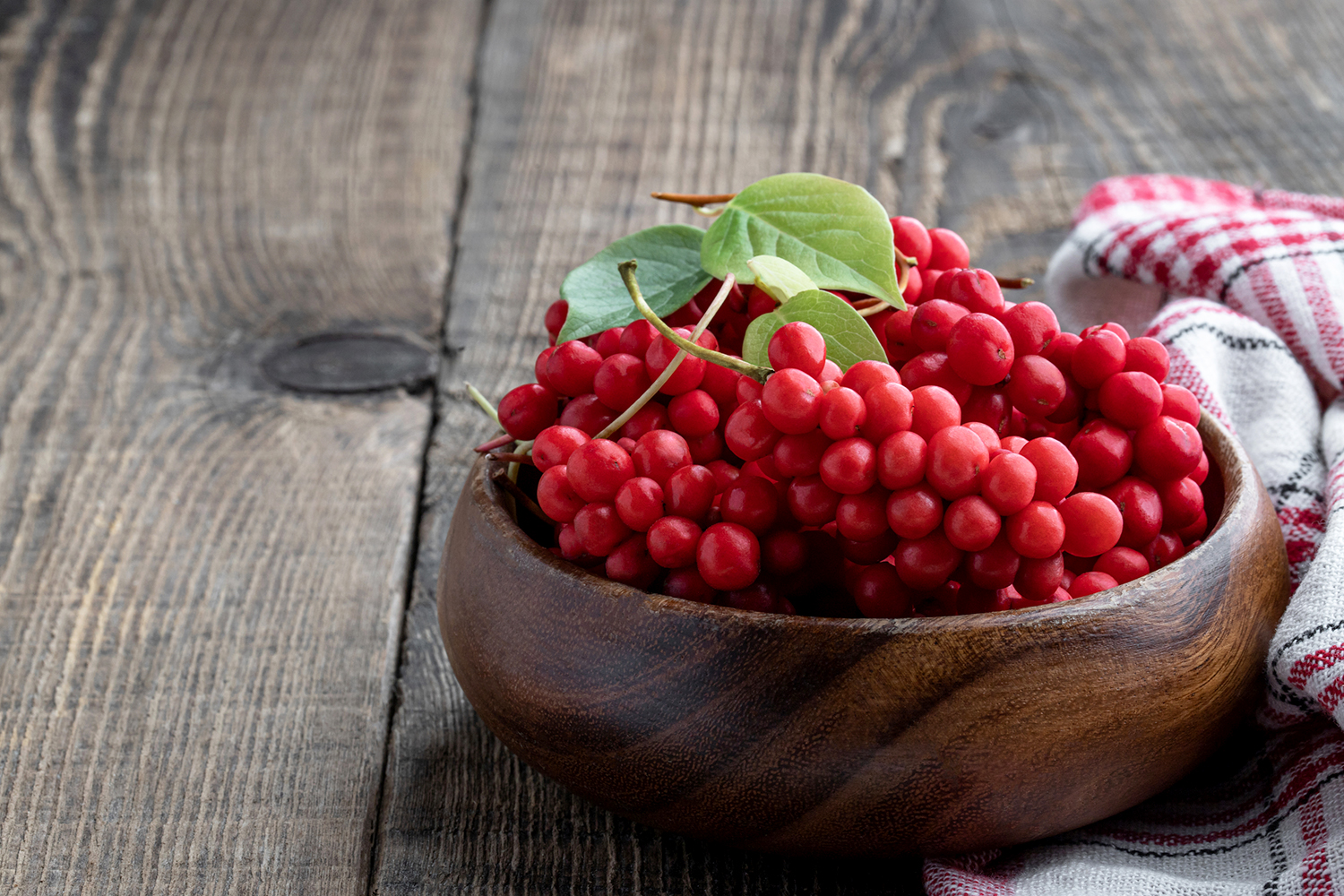
    • Schisandra (Schisandra chinensis)

      Another adaptogen, this fruit from traditional Chinese medicine has a wide range of medicinal actions.

      For cognition, you’ll notice your focus and energy sharpen almost immediately, without (for most people) feeling overly stimulated.

  • Other options

    • Rhodiola (Rhodiola rosea)

      This Siberian longevity tonic and adaptogenic root not only helps you feel more energized and more resistant to stress but also supports mood, neural health, and improved alertness.

    • Lion’s Mane Mushroom (Hericium erinaceus)

      This edible mushroom, taken as a supplement or eaten regularly for months, has the potential to gradually help restore nerve function, memory, and cognition.

      It may help delay a decline due to aging or damage.

      It also supports mood and sleep.

“The effects of twenty-one nutrients and phytonutrients on cognitive function: A narrative review” by J.E. Lewis et al., Journal of Clinical and Translational Research, 8/4/21

“Effects of Rosmarinus officinalis L. on memory performance, anxiety, depression, and sleep quality in university students: A randomized clinical trial” by P. Nematolahi et al., Complementary Therapies in Clinical Practice, 2/18

“Hericium erinaceus improves mood and sleep disorders in patients affected by overweight or obesity: Could circulating pro-BDNF and BDNF be po tential biomarkers?” by L. Vigna et al., Evidence-Based Complementary and Alternative Medicine, 2019

“Improvement of cognitive functions by oral intake of Hericium erinaceus” by Y. Saitsu et al., Biomedical Research (Tokyo), 2019

“Melissa officinalis L. – a review of its traditional uses, phytochemistry, and pharmacology” by A. Shakeri et al., Journal of Ethnopharmacology, 2016

“Neuroprotective potential of aromatic herbs: Rosemary, sage, and lavender” by A. Faridzadeh et al., Frontiers in Neuroscience, 6/28/22

“Nootropics as cognitive enhancers: Types, dosage, and side effects of smart drugs” by M. Malík and P. Tlustoš, Nutrients, 8/17/22

“Nootropic herbs, shrubs, and trees as potential cognitive enhancers” by M. Malík and P. Tlustoš, Plants (Basel), 3/18/23

“A review of the effects of mushrooms on mood and neurocognitive health across the lifespan” by S. Cha et al., Neuroscience & Biobehavioral Reviews, 3/24

“Therapeutic potential of Hericium erinaceus for depressive disorder” by P.S. Chong et al., International Journal of Molecular Sciences, 12/25/19

Contributor

Benefits of Rosehip

By Lisa Fabian

The rose flower graces us with an intoxicating scent and an almost incomparable beauty.

But did you know that the scent of roses is healing?

It's true: the essential oil of this most romantic of flowers contains antidepressant, anti-inflammatory, antiviral, and calming properties.

But besides this ethereal bloom, there’s something else the rose bush gives us: the potent and revered rosehip.

What Are Rosehips?

Rosehips are the accessory or “false fruit” of rose plants, appearing when the rose flower dies.

Not all rose plants produce rosehips, which makes this edible part of the plant that much more special.

Appearance

Appearing as a cylindrical berry with tiny hairs sprouting from its bottom, the bright orange-red rosehip is a nutritional powerhouse for both the skin and the body.

Nutrition

Rosehips also contain:

  • Flavonoids
  • Vitamins:
    • Vitamin C
    • Vitamin E
    • Vitamin A
  • Minerals:
    • Potassium
    • Calcium
    • Manganese
    • Magnesium
    • Zinc

They’re also one of the best vegetable oil sources of omega 3s and a good source of omega 6s as well.

Rose in the Kitchen

You can add taste to the list of senses that roses appeal to. From tea and jam made from rose hips to salads and desserts that contain rose petals or rosewater, the rose has its own unique culinary flavor.

The International Herb Association suggests adding rose water to:

  • sliced strawberries
  • fresh lemonade
  • hot or iced tea

Finding and Choosing Rosehip Oil

Rosehip oil can spoil quickly, so be sure to buy it in dark glass bottles. Store in the refrigerator to extend shelf life.

Look for rosehip oil, or rosehip’s Latin name (Rosa rubiginosa), on product labels.

  • For purity and best results, shop for certified organic rosehip oil, which is free of herbicides and pesticides.
  • Look for varieties made with cold-press methods, since high heat can degrade some of rosehip oil’s active ingredients.
  • You can also make your own, with our DIY rosehip oil recipe.

Benefits of Rosehip Oil

  • For Your Skin

    Rosehip oil, also known as rosehip seed oil, is extracted from the crushed seeds of the wild rosehip fruit. It’s lightweight and easily absorbed by the skin.

    Rosehip oil comes as straight oil, or it can be combined with other ingredients in creams or powders.

    Applying the oil to the skin can help reduce redness and slow the signs of aging. It’s known for its ability to brighten, firm, and tighten the skin.

    What else can this golden-hued oil do for skin?

    • fight acne and shrink pimples due to its linoleic acid
    • regenerate the skin’s cellular membrane and tissues
    • reduce scar tissue due to its essential fatty acids and antioxidants
    • moisturize dry skin
    • protect skin from oxidative stress
    • improve skin moisture, elasticity, and wrinkles
    • lower inflammation and redness from inflammatory skin conditions:
      • eczema
      • rosacea
      • psoriasis
      • dermatitis
    • lighten hyperpigmentation and fade lighter-colored dark spots
    • improve texture and appearance of scars (applied topically twice a day)
    • reduce sun damage due to its vitamin A content
    • hydrate dry and itchy skin with its essential fatty acids
    • assist with collagen production and skin cell turnover
    • help alleviate symptoms of PMS as well as menstrual cramps

    Before bed is a good time to use rosehip oil. Apply a few drops to clean skin just before moisturizing. For best results, apply rosehip the oil neat up to twice a day. Or add a few drops to another carrier oil or to your daily moisturizer.

    Research has also found that those who took rosehip powder orally had increases in their skin elasticity.

    Rosewater, made from the petals of the flower, is found in cosmetics and is touted as an antiseptic that’s soothing to sensitive skin.

  • For Your Hair

    The benefits of rosehip oil also extend to the hair. Some people use it to moisturize and condition their locks, but avoid applying rosehip oil to very fine hair, as the oil may weigh it down.

  • For the Body

    It’s no surprise the benefits of rosehips go beyond the skin. Rosehips were once a key part of North America’s native peoples’ diets.

    Today, the edible rosehip is consumed in powdered form or syrups, or as a dried fruit. Rosehips have also found their way into teas, beverages, jams, jellies, wines, breads, and more.

    • As an Anti-Inflammatory

      Traditionally, rosehips have treated many diseases. With their anti-inflammatory benefits, they can help provide relief from arthritis when taken daily.

      Rosehips block cartilage cells’ proteins from activating. This activation can lead to the detrimental degradation of joint tissue.

    • To Fight Obesity

      The rosehip may even fight obesity. Researchers discovered that taking rosehip extract daily significantly reduced abdominal total fat area, body weight, and body mass index in pre-obese subjects.

    • For Immunity

      Rich in vitamin C and zinc, rosehips are an impressive immune booster as well.

Precautions

Other Conditions

Rosehips are not recommended for:

  • pregnant and breastfeeding women
  • those who are diabetic or tend to get kidney stones
  • those with bleeding conditions or sickle cell disease
  • those with an iron-related disorder or anemia.

Possible Reactions

Before using rosehip oil or products containing it, perform a patch test for any reactions or allergies:

  1. Apply a small amount to the wrist, elbow, or forearm.
  2. Cover the area with a bandage or gauze for 24 hours.
  3. After this time, remove the bandage or gauze and check if any redness, itchiness, or rash occurs.

If there’s irritation or inflammation, rinse the area and don’t use the product.

“8 ways rosehip oil benefits your skin, according to dermatologists” by Krissy Brady, www.Prevention.com, 12/17/18

“9 benefits of using rosehip oil on your face” by Kitty Jay, www.Healthline.com, 5/5/23

“What are the benefits of rosehip oil?” by Annette McDermott, www.Healthline.com, 3/20/19

“Anti-inflammatory and analgesic effects of rosehip in inflammatory musculoskeletal disorders . . .” by S. Pekar et al., Current Molecular Pharmacology, 2021

“The benefits of rose hip oil,” https://health.ClevelandClinic.org, 3/11/22

“Bioactive compounds in rosehip . . .” by M. Igual et al., Molecules, 7/25/22

“Daily intake of rosehip extract decreases abdominal visceral fat in preobese subjects: a randomized, double-blind, placebo-controlled clinical trial” by A. Nagatomo et al., Diabetes, Metabolic Syndrome and Obesity, 3/6/15

Contributor

Lisa Fabian

Contributing Editor

Lisa Fabian is an award-winning freelance writer with more than 25 years of experience in the publishing industry. She's enjoyed covering topics as diverse as arts and crafts, boating, food, and health and wellness.

Vacation First Aid Kit

Keeping It Safe and Fun for The Family

By The Taste for Life Staff

Before you head off on a summer road trip, put together a first-aid kit. Think basic and then pack your first-aid supplies in a handy, portable case that will fit easily into your car or suitcase. 

Dealing With Bugs

  • Avoid Toxic Repellents

    Research highlights adverse effects of DEET, malathion, and permethrin (used alone or in combination), particularly among the young. 

    Look for safe, natural repellents using essential oils of cedarwood, citronella, eucalyptus, geranium, and pine.

  • Repel Ticks Naturally

    To help prevent tick bites—and lower the risk of Lyme disease—wear protective clothing in tick-infested grassy or wooded areas.

    Oils of citronella, cloves, and lily of the valley “possessed repelling activities of the same magnitude as the repellent DEET” against ticks, say researchers, but without DEET’s side effects.

    Removing a Tick

    Carefully remove any ticks you find with tweezers and disinfect bites with tea tree oil or other antiseptic.

    Report any bull’s-eye rash to your healthcare provider immediately.

Travel-Related Ailments

Diarrhea, heat rash, motion sickness, poison ivy, sleeplessness, and sunburn are nuisances at any age—but can make kids (and anyone around them) downright miserable.

  • Soothing Foods

    For carsickness, it’s best to drink a little ginger tea before you drive off—and to bring along a thermos of tea, organic fruit, nuts, and whole-grain crackers.

  • Soothing Tea

    Chamomile tea is a time-honored natural solution for sleeplessness.

  • Soothing Topicals

    After too much fun in the sun, aloe vera or calendula creams or gels can help soothe burns.

First-Aid Kit Essentials

Items to consider include:

  • adhesive bandages (all sizes)
  • adhesive tape
  • aloe vera gel
  • antiseptic wipes
  • arnica cream or calendula lotion
  • cleansing agent/natural soap
  • cold pack
  • cotton swabs
  • flashlight and extra batteries
  • nonpetroleum jelly
  • packet of tissues
  • rolled gauze bandages (3 rolls)
  • safety pins (assorted sizes)
  • saline eye drops
  • scissors, preferably blunt
  • sewing needle
  • sterile gauze pads
  • sunblock or sunscreen
  • thermometer
  • tweezers
  • zinc lozenges
Contributor

The Taste for Life Staff

The Taste for Life staff come from a wide variety of backgrounds and specialties. We believe learning is a life-long process, and love to share the knowledge we gain.

Natural Tricks for Bug Bites and Repellent

Itching, Swelling, and How to Keep Pests Away to Begin With

By Jane Eklund

Summer brings us warmth and longer days, as well as plenty of mosquitoes, ticks, gnats, and flies!

It may feel like Mother Nature is pulling a fast one on us, but she has provided tools for keeping things in balance.

Given the severity of the diseases carried by some biting insects, people will want to make careful choices about the insect repellents they choose for themselves and their families.

For those who want to stay natural, there are plenty of options, and one ingredient—lemon eucalyptus oil—matches up to DEET in repelling mosquitoes and may have some effectiveness against ticks as well.

Natural Ways to Repel Bugs

  • Environmental Deterrents

    Those of us who spend a lot of time in our backyards can start by making them less friendly to insect pests.

    • Get Rid of Standing Water

      Dump any standing water that’s accumulated in buckets, old tires, tarps, and the like. Mosquitoes love to breed in such spots.

    • Plant Things Bugs Don't Like

      Next, try growing herbs that help deter pests.

      • Basil

        House flies and mosquitoes will avoid basil. Plant it in the garden and in pots where people congregate—it will provide some insect relief and an ingredient for pesto!

      • Lemongrass

        Lemongrass, an ornamental that contains citronella oil, is a mosquito repellent and a nice addition to chicken and pork dishes. Grow it in a pot so it can winter indoors.

      • Mint

        Try planting mint in pots too, then pluck the leaves and crumple them into iced tea while the plants help keep bugs off nearby plants.

      • Other Herbs

        Both mosquitoes and ticks will avoid rosemary and catnip plants. Other herbs to try planting include lemon thyme, lemon balm, and oregano.

  • Natural Insect Repellent

    For a natural insect repellent that’s applied to the skin or sprayed on clothes, look for one key ingredient: oil of lemon eucalyptus.

    • Oil of Lemon Eucalyptus

      The only plant-based mosquito-repelling ingredient that’s recommended by the Centers for Disease Control and Prevention, it’s found in bug sprays and lotions made by natural products companies as well as companies that also make repellents containing DEET.

    • Child-Safe Bug Repellent

      Oil of lemon eucalyptus isn’t safe for children younger than 3, so consider a soy-based repellent for preschoolers.

      One commercial repellent containing 2 percent soybean oil along with glycerin, lecithin, vanillin, and oils of coconut and geranium was as effective as DEET in one study.

      Using Repellent on Children
      • Check the Product Label

        When (and before) using repellent on children, always follow the instructions on the product’s label.

      • Apply Indirectly

        Parents should spray the repellent on their own hands, then apply to a child’s face.

      • Don't Use On Newborns

        Use mosquito netting rather than repellent for babies under two months old.

  • More Ways to Keep Bugs Off You

    Repellent is a must for anyone who’ll be exposed to potentially disease-carrying insects. But to get the most protection, follow these recommendations.

    • Keep Covered

      Wear long sleeves and pants, and tuck your shirt in your pants and your pants in your socks.

    • Keep Air Moving

      Turn on a fan to deter mosquitoes on patios and porches.

    • Stay in Sunlight

      Mosquitoes love dawn and dusk, so if you don’t love mosquitoes, avoid being outdoors during those hours.

    • Beware of Ticks

      People who may have been exposed to ticks should shower after spending time outdoors, in addition to doing regular tick checks on clothing and bodies.

Homeopathic Remedies for Stings & Bug Bites

A wasp, a yellow jacket, or a bee got the best of you? Homeopathy may help.

Always check the product’s label for the proper dose.

  • Ledumm Palustre (Wild Rosemary)

    If the pain lessens after ice or cold applications, try this out. This is typically the first homeopathic remedy given after a bug bite.

  • Apis Mellifica (Crushed Bee)

    This may be useful for swelling and burning.For swelling and burning pain, try .

  • Carbolicum acidum (Carbolic Acid)

    This can be useful if you’ve been stung more than once.

“16 plants that repel unwanted insects” by Tom Oder, Mother Nature Network, www.mnn.com

“How to keep mosquitoes out of your yard” by Jessica Walliser, www.RodalesOrganicLife.com

“Keep pests off pets! Plants to grow that repel ticks and fleas” by Emily Cardiff, www.OneGreenPlanet.org

“Plant-based insect repellents: a review of their efficacy, development and testing” by M.F. Maia and S.J. Moore, Malaria Journal

“Prevent mosquito bites,” Centers for Disease Control and Prevention, www.CDC.gov 

Essential Homeopathy by Dana Ullman, MPH ($10.95, New World Library)

Contributor

Jane Eklund

Jane has a rich, diverse background in both literary and journalistic writing, including book reviews, poetry, and history.

Natural Solutions for Arthritis

Effective supplements and lifestyle tips for inflammation pain

By Kathleen Barnes

Problems with some Cox 2-inhibiting drugs have created concern among the millions of Americans who suffer from osteoarthritis (OA). The good news is that natural alternatives are available.

Safe and effective, some of these pain relievers have been shown to slow the progression of osteoarthritis and even reverse damage.

Inflammation and Pain

All types of arthritis are characterized by chronic inflammation. While there are more than 100 types, the most common is osteoarthritis—also called degenerative joint disease—affecting nearly 21 million Americans.

More than 40 million of us experience occasional joint pain, according to researchers at the Mayo Clinic. OA most commonly strikes the hips and knees, the primary weight-bearing joints.

When joint-cushioning cartilage breaks down, bones rub against one another—causing pain, loss of movement, and inflammation.

Chronic inflammation, like that found in OA, can lead to more serious health problems, such as obesity, heart disease, diabetes, and cancer, says Nancy Appleton, PhD, in Stopping Inflammation.

Natural Pain Relief

Long-term solutions and pain relief are available, thanks to natural medicines and whole foods.

  • Ginger

    Ginger may be one answer.

    With 477 documented active ingredients, this anti-inflammatory herb contains several powerful natural Cox-2 inhibitors. Yet ginger is so gentle that it is often recommended for morning sickness in pregnant women.

    Studies have shown that a moderate dosage of this herb inhibits the formation of inflammatory pain-causing prostaglandins by up to 56 percent.

    And a University of Miami study found that 63 percent of patients with knee OA showed improvement after taking ginger for just six weeks.

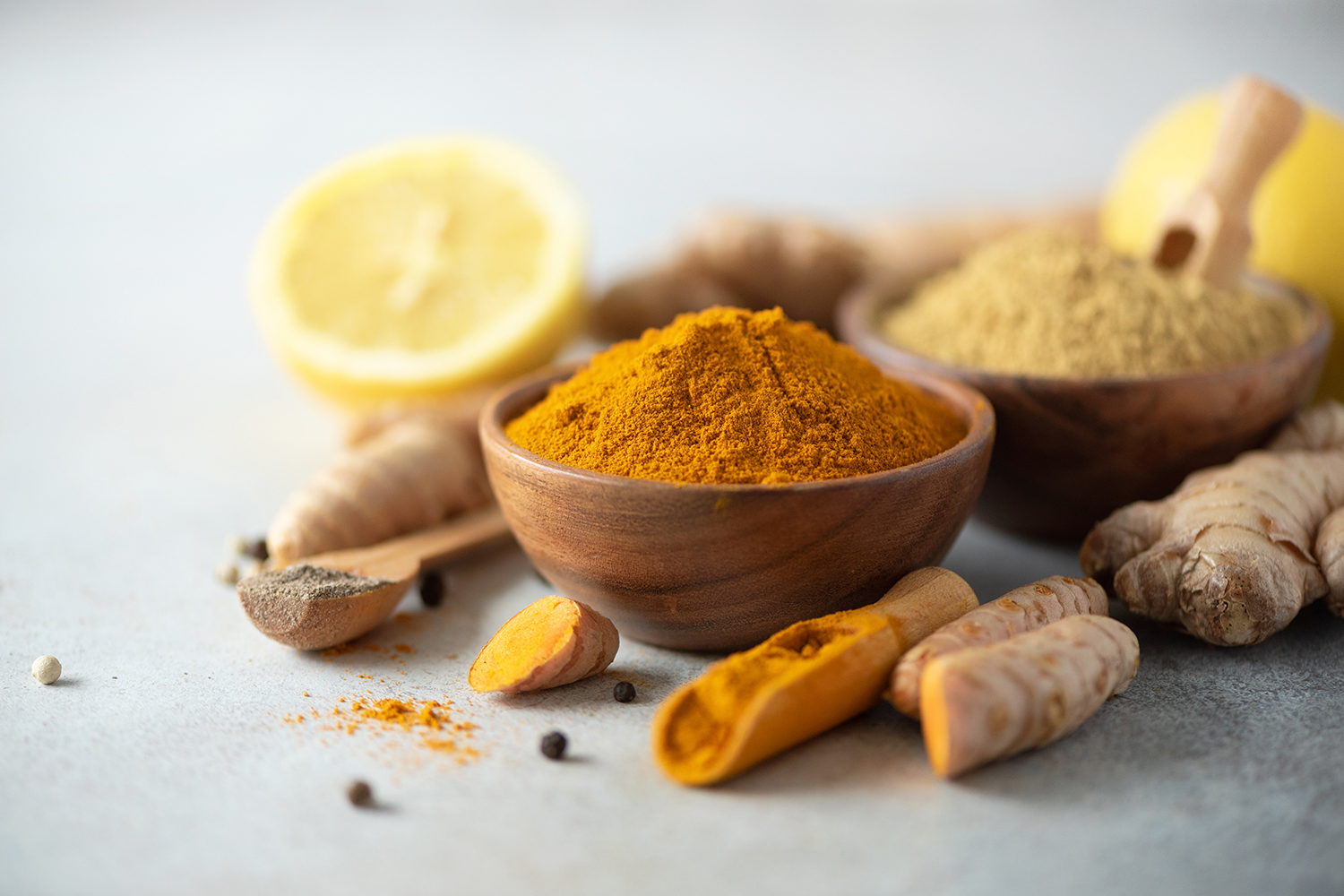
  • Turmeric

    Turmeric, the culinary herb that gives curry its golden color, inhibits the Cox-2 enzyme while keeping Cox-1 levels steady. The curcumin in turmeric appears to reduce inflammation as well as a prescription drug, according to one study. Research shows that curcumin supplements that include gingerols and piperine (ginger and black pepper) enhance the effect of curcumin.

  • Glucosamine

    Glucosamine is perhaps the best known and best studied of supplements for relieving joint pain. A form of amino sugar often derived from the shells of shellfish, glucosamine sulfate appears to work in two ways: by stopping the breakdown of cartilage and by stopping the inflammation cycle.

    Recent research suggests a higher dosage may be needed than what many supplements contain. For improved effectiveness, glucosamine is often combined with other ingredients.

    Chondroitin may improve joint mobility and slow cartilage loss.

    A recent analysis of clinical trials indicated that supplementing with chondroitin appears effective against arthritis pain.

  • MSM

    MSM (methylsulfonylmethane) contains sulfur molecules that help relieve pain and build certain amino acids like collagen, from which cartilage is formed. A small preliminary study showed patients received an 80 percent reduction in pain when taking MSM.

  • Whole Foods

    A fiber-rich diet of whole grains, nuts, seeds, legumes, fruits, and vegetables can help reduce arthritis pain and inflammation. Avoiding stress and environmental toxins can be useful, as well.

Exercise

Finally, an energetic exercise program is a powerful way to address joint pain, as long as you work with a therapist or trainer who can help you prevent further joint damage.

It may seem paradoxical to think of relieving joint pain by inducing more pain, but that’s exactly what you need to do.

Movement of a painful joint actually draws circulation to the area, provides lubrication for the joint, and encourages healing through a reduction of inflammation.

Walking, swimming, and yoga are excellent workouts for many people with inflammatory pain.

Contributor

Kathleen Barnes

Kathleen Barnes’ career as a journalist and writer has spanned more than four decades, including years as an international correspondent for ABC and CNN.

In recent years, she has reported on natural health and sustainable living, writing and editing more than 20 books. She has written extensively for national and international publications, including as the natural health columnist for Woman's World magazine.

Don't Miss a Thing!


Get the latest articles, recipes, and more, when you sign up for the tasteforlife.com newsletter.

Hot Product